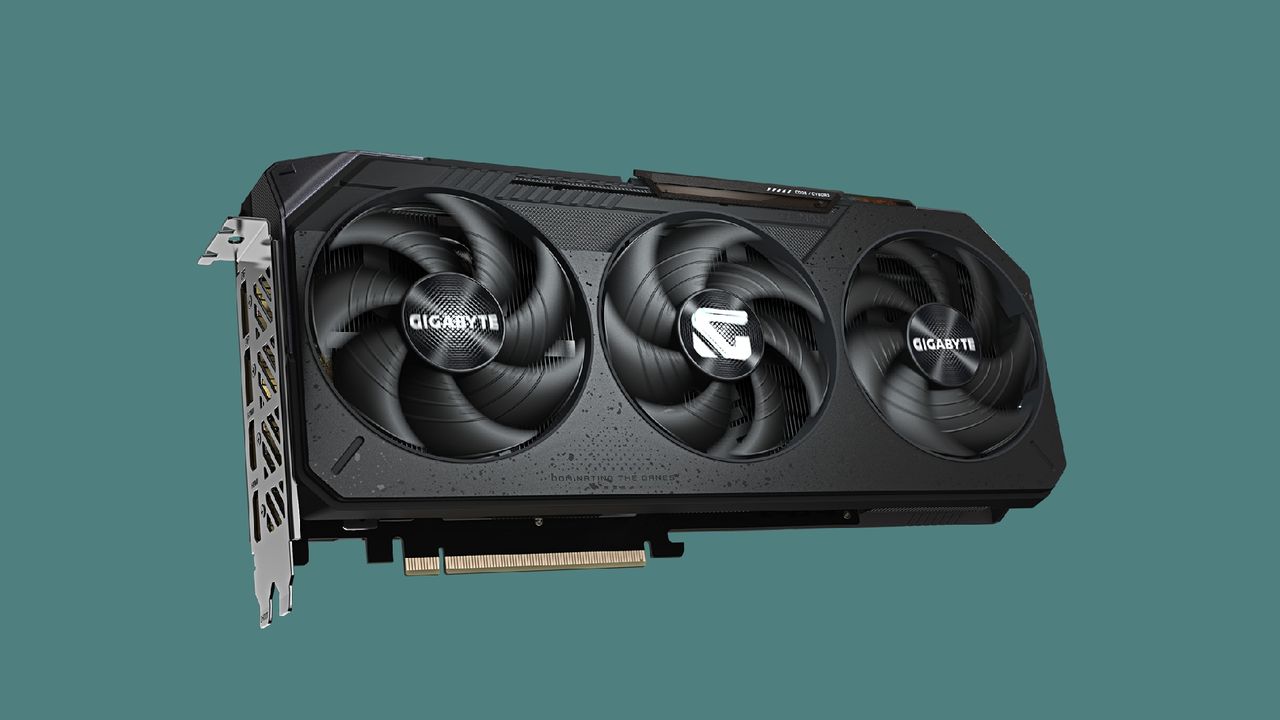
RX 9070 GRE Price Adjustment Signals Market Strategy Shift
AMD's Radeon RX 9070 GRE, a graphics card initially positioned for the 1440p gaming segment, has undergone its first notable price adjustment since its launch outside of China. The card, which debuted at a higher price point, now retails for $499. This reduction represents a roughly 9% decrease from its previous MSRP, a strategic move clearly designed to make it a more potent competitor against Nvidia's offerings in the lucrative mid-range GPU market. The primary target appears to be Nvidia's GeForce RTX 5060 Ti 16GB, a card that has held a strong position in this performance tier. By lowering the RX 9070 GRE's price, AMD aims to offer a more attractive performance-per-dollar proposition for gamers seeking solid 1440p experiences without breaking the bank.
The RX 9070 GRE is built on AMD's RDNA 4 architecture, a platform that has shown promise in delivering strong rasterization performance. This price cut is not merely an opportunistic adjustment; it signals a more aggressive stance from AMD in a segment where Nvidia has historically enjoyed considerable market share. The $499 price point places the RX 9070 GRE squarely in competition with GPUs that are frequently chosen by gamers upgrading their systems for modern titles that demand more graphical horsepower. This move suggests AMD believes its current RDNA 4 offerings can compete effectively on price, even if it means accepting a tighter margin to gain a foothold.
Performance Expectations for 1440p Gaming
The Radeon RX 9070 GRE is engineered with 1440p gaming as its primary objective. At its new $499 price point, it offers a compelling package for players looking to achieve high frame rates and good visual fidelity at this popular resolution. While specific benchmarks will vary depending on the game and graphical settings, AMD's RDNA 4 architecture typically excels in raw rasterization performance. This means that in traditional gaming scenarios, the RX 9070 GRE should provide a smooth and responsive experience for titles like Call of Duty, Apex Legends, and Elden Ring, often hitting or exceeding the 60 FPS mark at high settings.
When compared to its closest competitor, the Nvidia RTX 5060 Ti 16GB, the RX 9070 GRE's value proposition becomes clearer. While Nvidia's card often leads in ray tracing performance and benefits from DLSS upscaling technology, AMD's offerings often provide more VRAM at similar price points and can match or exceed Nvidia in pure rasterization. The 16GB of GDDR6 memory on the RX 9070 GRE is particularly relevant for modern games that are increasingly VRAM-hungry, especially at higher resolutions and texture settings. This price adjustment could make the RX 9070 GRE the go-to choice for budget-conscious gamers who prioritize raw performance and memory capacity for longevity, even if it means potentially sacrificing some ray tracing capabilities or the benefits of DLSS.
RDNA 4's Market Positioning and Future Implications
AMD's RDNA 4 architecture has been a subject of much anticipation, and the RX 9070 GRE represents one of its key entries in the mid-range market. The decision to cut the price of the RX 9070 GRE suggests a strategic reassessment of its market penetration capabilities. It's a clear signal that AMD is willing to be aggressive on pricing to secure market share, especially against a dominant player like Nvidia. This could put pressure on Nvidia to respond with its own price adjustments or special offers on its competing cards, potentially leading to a more competitive pricing landscape for consumers across the board.
The success of this strategy will depend on several factors, including the actual gaming performance delivered by the RX 9070 GRE in a wide array of titles, the availability of the card at the new $499 price point, and how effectively AMD can communicate its value proposition to consumers. Furthermore, this move might also influence future product launches and pricing strategies from both AMD and Nvidia. If the RX 9070 GRE proves successful at this price, it could embolden AMD to adopt similar aggressive pricing for other RDNA 4 SKUs, potentially reshaping the competitive dynamics of the GPU market for the coming generation. Developers and gamers alike will be watching closely to see if this price cut translates into significant market gains for AMD.
The Competitive Landscape and Consumer Impact
The mid-range GPU market is fiercely contested, serving as the sweet spot for a vast majority of PC gamers. Nvidia has long held a dominant position here, leveraging its brand recognition, strong ray tracing performance, and the efficacy of its DLSS technology. However, AMD's consistent efforts to offer competitive rasterization performance and higher VRAM configurations have chipped away at this dominance. The RX 9070 GRE's price reduction to $499 is a direct assault on this established order.
For consumers, this price war is unequivocally good news. A $499 graphics card capable of delivering a robust 1440p gaming experience offers a compelling upgrade path for many. It provides an alternative to potentially more expensive Nvidia options, forcing buyers to weigh raw performance, features like ray tracing and AI upscaling, and overall value. The increased competition at this price point could also lead to better driver support and more frequent software optimizations from both GPU manufacturers, as they vie for the attention of this critical market segment. If you've been holding off on a GPU upgrade, now might be the opportune moment to snag a powerful 1440p card at a more accessible price.