Ambient CSS v3: A New Dimension for Web Design
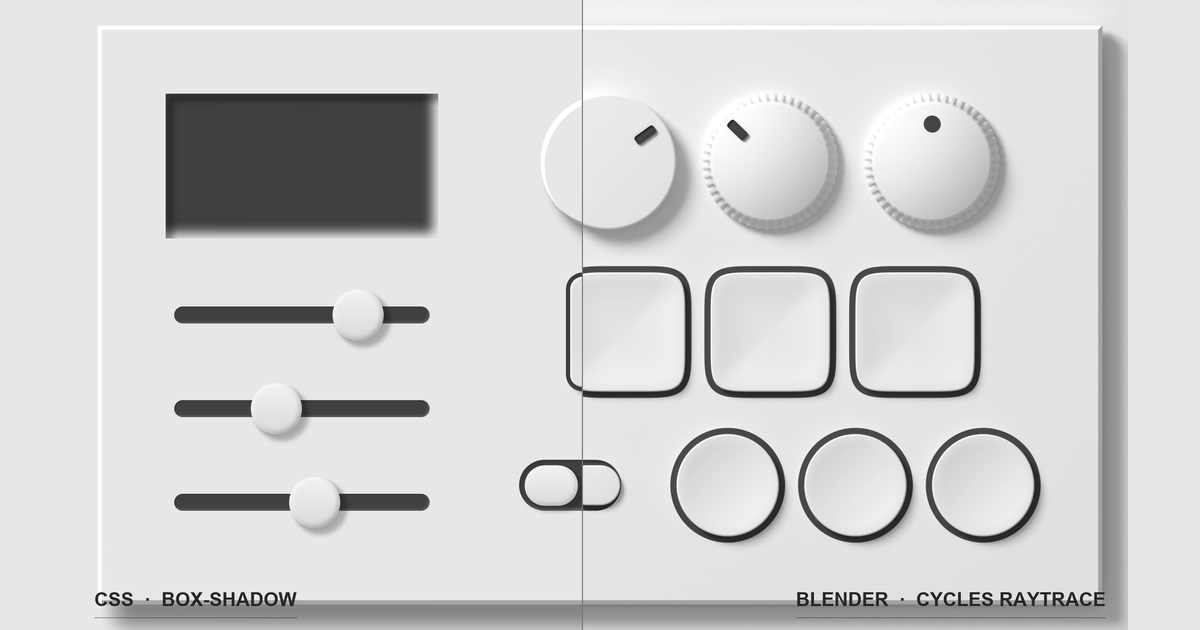
Ambient CSS, a project aiming to bridge the gap between 3D design software and web development, has released its third major version. This update introduces powerful new features that allow developers to leverage concepts and workflows typically found in 3D modeling tools like Blender directly within CSS. The goal is to empower web designers and developers with more sophisticated visual capabilities, moving beyond traditional 2D styling to create richer, more interactive user experiences.
The core idea behind Ambient CSS v3 is to abstract complex 3D transformations and lighting into manageable CSS properties. This means developers can now achieve sophisticated visual effects, such as realistic shadows, material properties, and volumetric lighting, without needing to write extensive JavaScript or integrate heavy 3D rendering libraries. The system acts as a layer of abstraction, translating these advanced visual concepts into browser-renderable CSS, making them accessible to a wider audience of web creators.
Key Features and Workflow Integration
Ambient CSS v3 introduces several key enhancements. A significant addition is the improved support for material properties. Developers can now define distinct surface characteristics for elements, mimicking real-world materials like plastic, metal, or glass. This goes beyond simple color and texture, allowing for properties like specular highlights, roughness, and metallicness to be controlled directly via CSS variables. These properties interact with a simulated light source within the browser environment, enabling dynamic reflections and shading that adapt to user interaction or page changes.
The new version also refines the handling of volumetric lighting. This feature allows elements to cast realistic shadows that have depth and falloff, rather than the flat, uniform shadows common in many web designs. Developers can control the intensity, color, and direction of these light sources, creating a sense of depth and atmosphere on the webpage. This can be particularly impactful for creating layered interfaces, product showcases, or immersive storytelling experiences. Imagine an e-commerce product image that subtly shifts its highlights as you scroll, or a UI element that casts a soft shadow onto the background, indicating its Z-axis position.

Bridging the Gap: Blender-Inspired Concepts
The project explicitly draws inspiration from Blender, a widely-used open-source 3D creation suite. This influence is most apparent in the way Ambient CSS v3 approaches transformations and scene composition. Instead of just basic 2D transforms (translate, rotate, scale), v3 incorporates concepts like perspective, depth of field, and even simplified node-based material editing through CSS variables. This allows for the creation of complex 3D scenes directly within the browser's DOM, rendered using standard HTML elements and CSS properties.
For developers accustomed to Blender's workflow, Ambient CSS v3 offers a familiar paradigm. The ability to define objects in 3D space, apply materials, and set up lighting provides a powerful new toolkit. This is not about rendering full 3D models in the browser (though it can complement that), but rather about applying 3D principles to the styling and layout of standard web elements. Think of it less like embedding a full 3D scene and more like giving your buttons, cards, and text blocks a sophisticated, physically-based rendering treatment.
Performance and Accessibility Considerations
A critical challenge for any library that introduces advanced rendering techniques is performance. Ambient CSS v3 has focused on optimizing its rendering pipeline to minimize impact on browser performance. By leveraging modern CSS features like transforms, filters, and custom properties, and by carefully managing the complexity of the simulated 3D environment, the library aims to remain performant even on complex pages. The team emphasizes that the goal is to enhance visual appeal without sacrificing load times or interactivity.
Accessibility remains a key consideration. While advanced visual effects can enhance user experience, they must not hinder usability for users with disabilities. The Ambient CSS team is reportedly working on guidelines and best practices for using these new features responsibly, ensuring that essential information and interactive elements remain accessible. This includes providing fallbacks for older browsers and ensuring sufficient contrast and clear focus indicators. The underlying HTML structure remains standard, allowing assistive technologies to interpret content correctly.
Implications for Web Development and Design
Ambient CSS v3 signifies a potential shift in how web interfaces are conceived and built. It moves the needle from static, flat designs towards more dynamic, visually rich, and interactive experiences that were previously confined to dedicated 3D applications or complex game engines. For front-end developers, this offers a new avenue for creative expression and a way to differentiate their work. For designers, it provides tools to translate their increasingly sophisticated visual ideas directly into code, with less reliance on intermediaries.
The