AI-Powered Task Management for Neurodivergent Individuals
In a compelling demonstration of AI's potential beyond corporate applications, an amateur developer is building a sophisticated task management system tailored to neurodivergent needs. The project, initiated by a single parent seeking to manage ADHD, autism, and speech challenges, utilizes Google Gemini and Python to create a personalized organizational tool. This initiative highlights how advanced AI can be adapted to address complex personal challenges, offering a lifeline for individuals struggling with focus, memory, and prioritization.
The developer, who openly acknowledges being an amateur and facing significant personal hurdles including poverty and a lack of immediate support, was inspired to use Google Gemini after it was suggested as a tool to help manage their conditions. The core of the system is built around Obsidian, a popular knowledge management and note-taking application. This is augmented by Python scripts and the Gemini API, all orchestrated on a Python server running on a basic HP laptop. The system is designed to assist with task organization and wellness checks, aiming to bring order to a life described as having fallen significantly behind.
The choice of Obsidian as the foundation is strategic. Its flexibility and powerful linking capabilities make it an ideal candidate for a complex task management system. By integrating Python, the developer can automate workflows, process data, and interact with external services. The inclusion of Gemini API brings an intelligent layer, capable of understanding natural language requests, generating suggestions, and potentially providing conversational support. This combination creates a personalized assistant that can adapt to the user's specific cognitive and communication needs.
The project's scope also includes integration with Tasker for Android. This suggests a vision for a mobile-first experience, allowing the user to manage tasks and receive prompts on their smartphone, a device often central to daily life. The aim is to create a seamless workflow that supports the user throughout their day, from managing daily chores to monitoring personal wellness.
The Technical Architecture and AI Integration
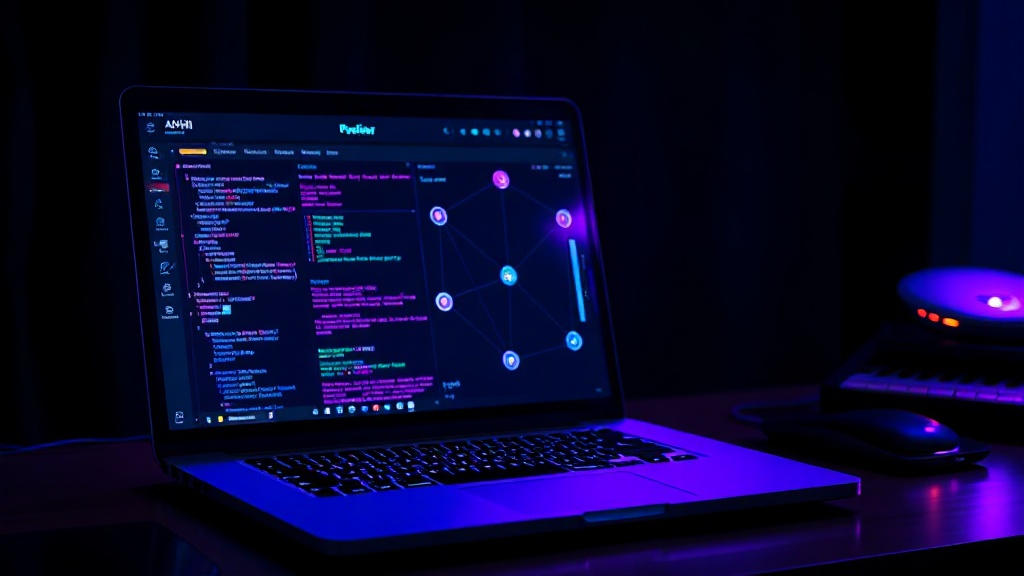
The technical backbone of this project involves several key components. At its heart is a Python server that acts as the central orchestrator. This server hosts the Python scripts responsible for interfacing with both Obsidian and the Google Gemini API. Obsidian, functioning as the knowledge base and task repository, stores structured data about tasks, projects, and personal goals. Python scripts parse this data, execute commands, and manage the flow of information.
The integration with Google Gemini is critical. The developer interacts with Gemini through its API, posing queries and receiving responses that help in structuring tasks, prioritizing activities, and potentially generating reminders or wellness prompts. For instance, a user might ask Gemini to help break down a large project into smaller, manageable steps, or to suggest a daily routine that accounts for energy levels and appointments. Gemini's ability to understand context and generate human-like text makes it a powerful tool for a user who struggles with executive functions.
The system is envisioned to be more than just a static to-do list. By leveraging Gemini's capabilities, it can offer dynamic assistance. This could include adapting schedules based on real-time needs, providing motivational prompts, or even helping to rephrase complex thoughts into clearer communications, addressing the user's speech issues. The system's design is a testament to the adaptability of modern AI tools when applied with a specific, user-centric goal in mind.
The choice of hardware—a basic 2024 HP laptop—underscores that sophisticated AI applications do not necessarily require cutting-edge, expensive equipment. This approach makes the technology accessible and replicable for others facing similar challenges and resource constraints. The system's reliance on open-source tools like Python and Obsidian further enhances its accessibility.
Challenges and Future Potential
Building such a system from scratch, especially for an amateur developer with significant personal challenges, is not without its difficulties. The developer explicitly mentions struggling with focus, memory, and prioritization, which are precisely the issues the system aims to alleviate. This creates a feedback loop where the development process itself is a challenge, but also a testing ground for the tool's efficacy.
The successful implementation of this project hinges on several factors. First, the reliability of the Gemini API and the accuracy of its responses are paramount. Second, the robustness of the Python scripts in managing data flow between Obsidian and the API is crucial. Finally, the user's ability to adapt to and effectively utilize the system will determine its ultimate success. The developer's transparency about their own struggles and their determination to build this tool offers a powerful narrative of self-advocacy and innovation.
What remains to be seen is how this personalized system scales and adapts as the user's needs evolve or as the complexity of their tasks increases. The current setup, while promising, is a bespoke solution. Its potential to become a more generalized tool for others with similar neurodivergent profiles will depend on its modularity and the ease with which it can be configured.
This project serves as an inspiring example of how individuals can harness powerful AI technologies to create deeply personalized solutions for complex life challenges. It moves beyond theoretical discussions of AI ethics and applications, demonstrating a tangible, practical use case that could significantly improve the quality of life for its creator and potentially many others.