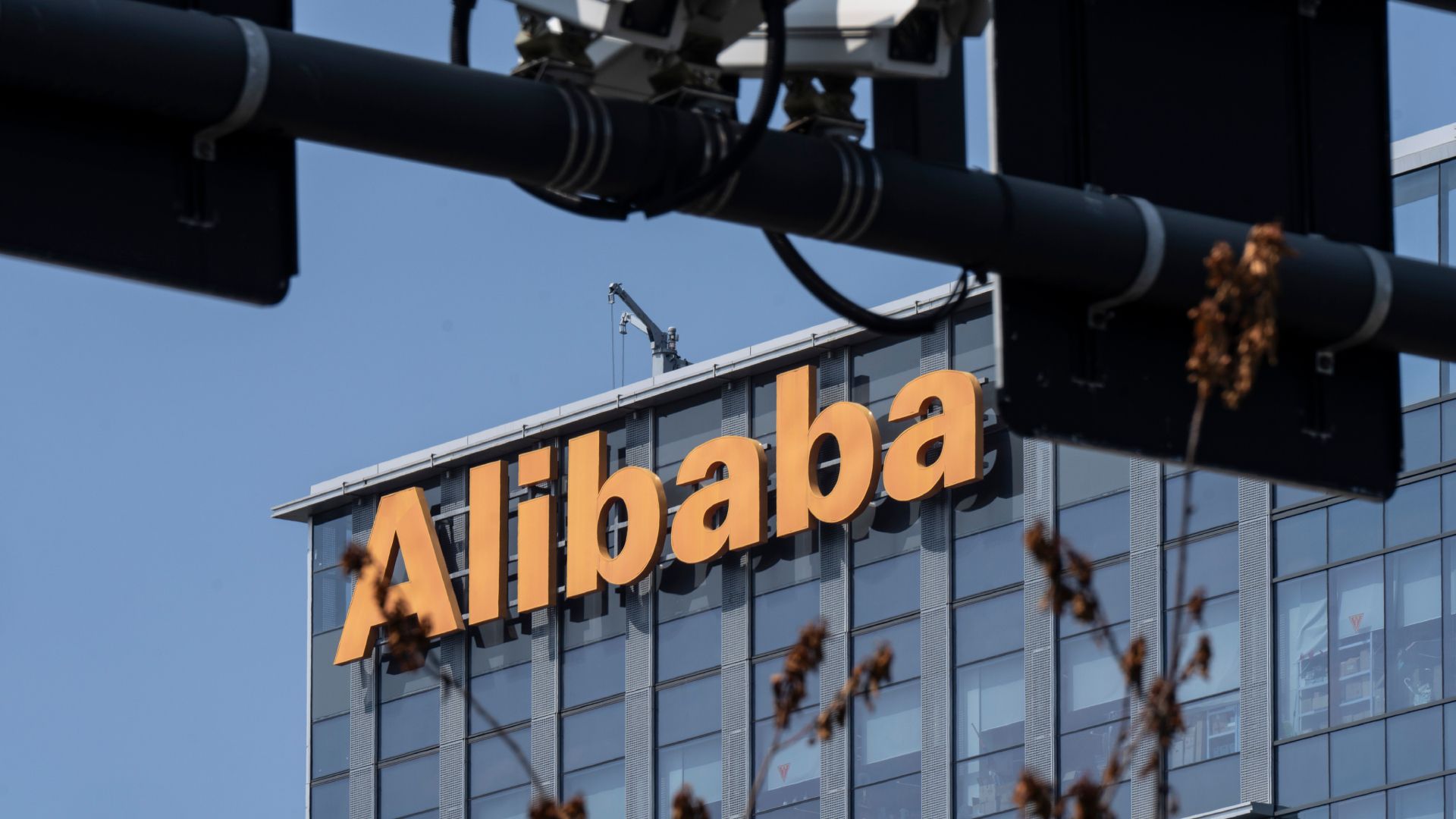
Alibaba's Claude Code Ban Sparks Internal Shift
Alibaba has reportedly banned the use of Anthropic's Claude Code among its employees, citing the discovery of what it alleges is a hidden backdoor. The code, according to internal communications, was designed to detect if code originated from China. This development has prompted an immediate internal directive for engineers to transition to an alternative tool, Qoder, signaling a deepening rift between the two technology giants.
The alleged backdoor, described as a mechanism to identify code originating from China, represents a significant security and trust concern for Alibaba. While details remain scarce, the mere accusation suggests a level of sophistication and intent that goes beyond typical code vulnerabilities. Such a feature, if confirmed, would imply a deliberate attempt by Anthropic or its partners to monitor or flag code based on its geographical origin, a move that could have profound implications for international collaboration in AI development and code sharing.
The swiftness of Alibaba's response, including the immediate push towards Qoder, underscores the gravity with which the company views this alleged security breach. Qoder, an internal code development and management platform, will now serve as the primary tool for Alibaba's engineers, replacing Claude Code in what appears to be a decisive move to mitigate potential risks and reassert control over its development environment.
The Allegations and Their Implications
The core of the controversy lies in the alleged existence of a "China-detection backdoor" within Claude Code. This implies that the code was not merely an AI assistant for coding tasks but contained a hidden function capable of analyzing and flagging code based on its suspected country of origin. For a global technology conglomerate like Alibaba, with extensive international operations and a significant presence in AI research, such a feature is seen as a direct threat to its operational integrity and data security.
If these allegations hold true, it raises serious questions about Anthropic's development practices and its understanding of international sensitivities. The AI industry, while rapidly globalizing, is also subject to geopolitical tensions. A tool designed to implicitly or explicitly identify and potentially disadvantage code from a specific nation could be interpreted as a form of technological protectionism or even espionage, depending on its ultimate purpose and deployment.
The surprise here is not that a company might develop AI for code analysis, but that such a function would be allegedly embedded covertly into a widely used developer tool. Think of it less like a security scanner that flags known malware, and more like a secret informant embedded in your team, reporting on where everyone in the office is from. This clandestine nature transforms a potential feature into a severe breach of trust.

The Rise of Qoder and Widening Rifts
In response to the Claude Code ban, Alibaba is directing its engineers to adopt Qoder, an internal platform. This shift is more than just a tool change; it signifies a strategic move to rely on proprietary or more trusted solutions in the face of perceived external threats. Qoder, presumably developed in-house or through highly trusted partnerships, offers Alibaba greater control over its codebase, security protocols, and data flow.
The decision to pivot to Qoder also highlights a broader trend of increasing skepticism towards third-party AI tools, particularly those from Western companies, within certain technology sectors. As geopolitical tensions simmer, companies are re-evaluating their dependencies on external software and AI services, prioritizing internal development or solutions from regions perceived as more aligned or less risky.
This incident appears to exacerbate an existing friction between Alibaba and Anthropic. While the exact nature of their prior relationship isn't detailed, such a severe accusation and subsequent ban suggest a breakdown in trust that may have been building. The move away from Claude Code could signal a more significant decoupling, impacting potential future collaborations or integrations between the two companies.
Broader Industry Implications
The alleged discovery at Alibaba is more than an isolated incident; it reflects growing anxieties within the global tech community regarding the security and geopolitical implications of AI development tools. As AI becomes increasingly integral to software development, the potential for embedded surveillance, data exfiltration, or nation-state influenced backdoors becomes a critical concern for all major technology players.
For developers worldwide, this incident serves as a stark reminder to scrutinize the tools they use. Open-source software has long been subject to security audits, but the opaque nature of proprietary AI models and their underlying code presents a new challenge. Trust in AI development platforms, especially those originating from different geopolitical spheres, will likely face increased scrutiny. Companies may begin demanding greater transparency into the algorithms and data handling practices of their AI code assistants.
What nobody has addressed yet is the potential fallout for Anthropic. If the allegations are substantiated, it could lead to a significant loss of trust, not just with Alibaba but across the industry, particularly in markets sensitive to data sovereignty and national security. The company will need to provide a robust explanation and demonstrate its commitment to security and transparency to regain confidence.
Ultimately, Alibaba's move underscores the complex interplay between technological advancement, data security, and international relations. As AI development accelerates, the need for secure, transparent, and geopolitically neutral tools will become paramount. The reliance on internal solutions like Qoder may become a more common strategy for large enterprises navigating this intricate landscape.