%22%20%2F%3E%0A%20%20%3C%2Fsvg%3E)
The Promise and the Peril of AI Deployment
Artificial intelligence, particularly the advent of artificial general intelligence (AGI), promises a future where intelligence itself is abundant and accessible. Yet, a growing concern is that this intelligence might become a commodity that fails to translate into tangible, positive outcomes. This phenomenon, termed the "conversion trap," highlights the critical gap between possessing knowledge or capability and the ability to effectively deploy and utilize it. The trap lies not in a lack of intelligence, but in the failure to convert that intelligence into real-world results.
Consider a scenario where an AI model perfectly diagnoses a patient's illness, and a physician concurs. The necessary treatment exists, and its efficacy is known. However, the treatment cannot be administered. Perhaps the hospital lacks essential resources like oxygen, or the necessary software is unaffordable. The medicine might be held up in a convoluted supply chain, or a crucial piece of equipment could break down with no one available or trained to fix it. This is the essence of the conversion trap: the infrastructure, logistics, economic realities, and human capacity to act on intelligence are absent, rendering the intelligence itself impotent.
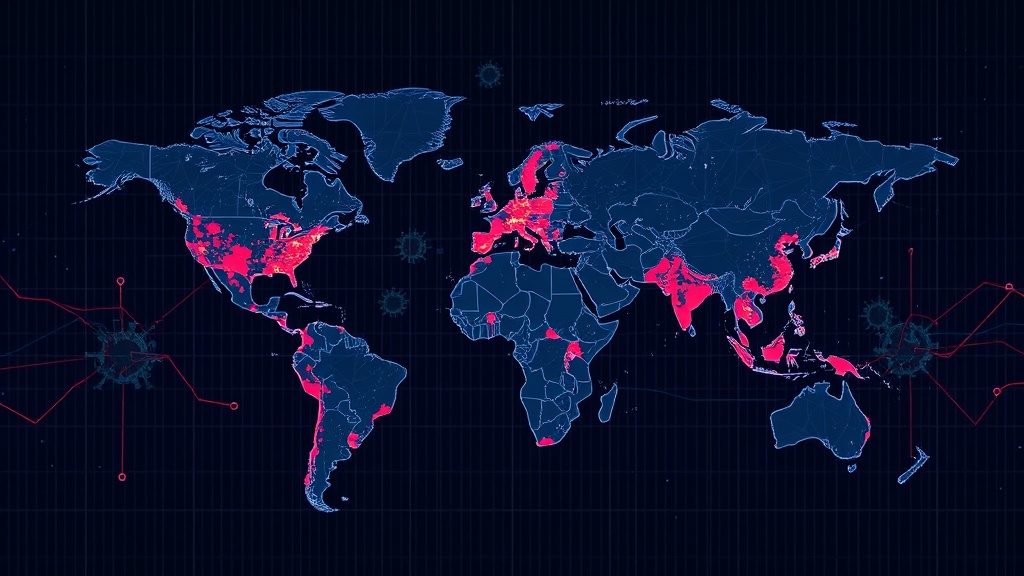
The COVID-19 pandemic served as a stark, real-world illustration of this trap. Scientists achieved a remarkable feat by developing vaccines in record time. By the end of 2021, approximately 9 billion doses had been administered globally. The scientific aspect—the knowledge and the technology—was largely successful. However, the delivery and equitable distribution of these vaccines faltered significantly. Wealthier nations rapidly achieved high vaccination rates, while many lower-income countries struggled to surpass even 10% coverage. The disparity was not a deficit of scientific knowledge, but a complex interplay of factors including procurement power, concentrated manufacturing capabilities, export restrictions, the necessity of a cold chain for storage and transport, reliable electricity, the robustness of local healthcare systems, and fundamental issues of trust.
Beyond Healthcare: A Universal Challenge for AI
This pattern is not confined to healthcare. It extends to virtually any domain where AI is poised to make an impact. Imagine an AI optimizing agricultural yields in a region prone to drought. The AI can predict optimal planting times, identify pest infestations early, and suggest water-efficient irrigation techniques. But if the farmers lack access to the necessary advanced irrigation equipment, cannot afford the AI-driven management software, or if the local infrastructure cannot support the recommended changes (e.g., lack of reliable power for pumps), the AI's insights remain theoretical. The potential for increased food security and economic prosperity is unrealized, trapped by a lack of enabling factors.
Similarly, AI could revolutionize urban planning by optimizing traffic flow, energy consumption, and waste management. Sophisticated models can identify inefficiencies and propose highly effective solutions. However, implementing these solutions requires significant upfront investment in smart city infrastructure, compatible sensor networks, updated public transit systems, and the trained personnel to manage and maintain these new technologies. Without these foundational elements, the AI's proposals remain on paper, a testament to intelligence that cannot be converted into a better-functioning city.
The core issue is that intelligence, whether human or artificial, does not exist in a vacuum. It operates within complex socio-economic and infrastructural systems. The ability to harness AI's potential hinges on the existence and functionality of these systems. This includes not only the physical infrastructure (like reliable internet, electricity, and hardware) but also the economic capacity to adopt new technologies, the regulatory frameworks that govern their use, and the social capital (trust, education, and community buy-in) required for widespread adoption and effective utilization.
The AGI Conundrum and Systemic Dependencies
The prospect of AGI amplifies these concerns. If AGI can indeed solve problems previously intractable to human intellect, the failure to deploy it effectively becomes even more profound. It suggests a future where humanity possesses unprecedented problem-solving power but is hobbled by its own systemic limitations. The risk is not merely that some will be excluded from AI's benefits, but that AI's arrival will expose and exacerbate existing global inequalities and systemic fragilities.
This