The Problem: Invisible AI API Bills
Developers building with cutting-edge AI models from providers like OpenAI and Anthropic face a common blind spot: understanding their API expenditure. While traditional cloud infrastructure costs are often meticulously monitored, AI API spending frequently remains opaque until the monthly invoice arrives. This lack of visibility makes budgeting, project cost allocation, and client billing a significant challenge for indie hackers, startups, agencies, and individual developers.
Neeraj Uikey, the creator of AICostPass, experienced this frustration firsthand. He realized that despite diligent monitoring of servers, databases, and application performance, his AI API costs were largely a black box. This disconnect between active development and financial oversight prompted the development of AICostPass, a tool designed to bring transparency to AI API spending.
The core issue is that AI API providers typically offer limited real-time cost data within their dashboards, often relying on aggregated monthly billing cycles. For developers who need to manage costs on a per-project, per-client, or even per-feature basis, this delayed feedback loop is insufficient. It’s akin to driving a car without a fuel gauge – you might be burning through resources faster than you anticipate, only to discover the deficit when it’s too late to course-correct without impacting development velocity or budget.
AICostPass: Features and Functionality
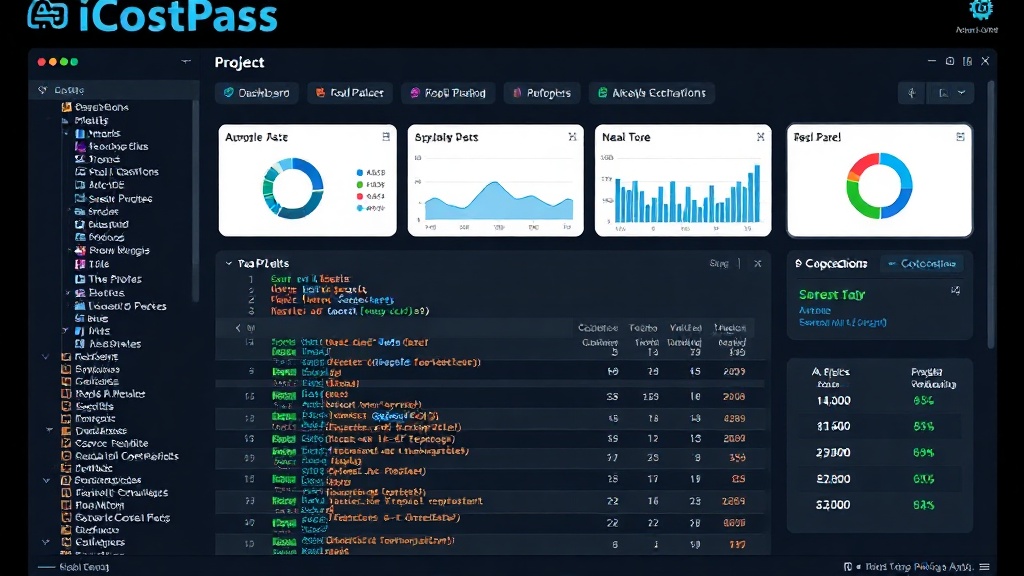
AICostPass aims to solve this problem by providing developers with granular, up-to-date insights into their AI API usage and associated costs. The platform is built to offer several key functionalities:
- Near Real-Time Cost Tracking: AICostPass pulls data to display AI API costs as they are incurred, offering a much faster feedback loop than traditional monthly invoices. This allows developers to see the immediate financial impact of their API calls.
- Project and Client-Based Monitoring: Users can segment their spending by specific projects or clients. This is crucial for agencies billing clients for AI services or for internal teams managing budgets for different product initiatives. It transforms abstract API calls into tangible, attributable costs.
- Budget Threshold Alerts: To prevent unexpected overspending, AICostPass allows users to set budget thresholds. When spending approaches or exceeds these predefined limits, the system sends email alerts, giving developers an opportunity to intervene before significant budget overruns occur.
- Weekly Spending Summaries: Regular, digestible reports provide a snapshot of spending trends over the past week. This helps in identifying patterns, understanding usage spikes, and making informed decisions about resource allocation or model optimization.
- Billable CSV Exports: For businesses that charge clients based on AI usage, AICostPass can export detailed CSV files. These exports facilitate accurate client invoicing, ensuring that all AI-related costs are properly accounted for and passed on.
The overarching goal is to empower developers with the financial data they need to manage AI projects effectively, avoiding the common pitfall of surprise bills and enabling more predictable financial planning. This is particularly relevant in a landscape where AI models are becoming increasingly integrated into applications, making their associated costs a critical factor in product viability and profitability.
The Broader Context: DIY Solutions in SaaS
AICostPass emerges in a trend where developers are increasingly building their own tools to address specific pain points in their workflows, especially when existing commercial solutions are either too expensive, too opaque, or too generic. Source 2 highlights a similar motivation: a developer tired of paying $139/month for SEO data that could be accessed via wholesale APIs for a fraction of the cost.
This developer built the SEO Command Center, a self-hosted, MIT-licensed platform that aggregates wholesale data from services like DataForSEO. Instead of paying for expensive dashboards on top of raw data, they built their own interface. This approach mirrors the ethos behind AICostPass – taking control of costs by understanding the underlying data sources and building a tailored solution.
The parallel is clear: both AICostPass and the SEO Command Center are responses to the premium pricing and lack of transparency in specialized SaaS markets. They represent a shift towards developers leveraging their technical skills to create cost-effective, transparent alternatives. This DIY approach not only saves money but also provides greater control and customization, allowing users to tailor the tools precisely to their needs. The success of such projects often hinges on their ability to provide a superior user experience or significant cost savings compared to established, often expensive, commercial offerings.
The Future of AI Cost Management
As AI adoption accelerates, the need for sophisticated cost management tools will only grow. AICostPass addresses an immediate need for developers who are on the front lines of integrating AI into applications. By providing real-time visibility and control, it helps to de-risk AI development from a financial perspective. The ability to export billable data also supports business models that rely on passing AI costs through to clients, fostering more transparent client relationships.
What remains to be seen is how AI providers will respond. Will they offer more granular, real-time cost controls directly? Or will tools like AICostPass become essential infrastructure for any serious AI development team? The current landscape suggests a strong demand for third-party solutions that bridge the gap between raw API usage and predictable financial management. For developers, understanding and controlling these costs is no longer an afterthought but a critical component of successful AI product development.