AI as a Productivity Multiplier, Not a Replacement
The question of whether Artificial Intelligence will replace software engineers is a valid concern, fueled by the rapid advancements in AI capabilities. However, the consensus among those working with AI extensively is a resounding 'no' to total replacement. Instead, AI is poised to become the most significant productivity leap in software engineering history.
AI, particularly large language models (LLMs) integrated with the right tools and capable of running in loops, offers unprecedented assistance. It can generate code, debug, and automate repetitive tasks at speeds and scales previously unimaginable. This has led to an 'orders of magnitude' increase in software engineering output, a tangible benefit that understandably fuels speculation about job displacement.
But software engineering is fundamentally about more than just writing code. It involves critical thinking, strategic decision-making, and a deep understanding of complex systems. These are areas where AI, in its current and foreseeable trajectory, falls short. AI is not designed to make architectural decisions, select technology stacks, or architect complex workflows. These tasks require a nuanced understanding of business needs, team dynamics, long-term maintainability, and a host of other factors that AI cannot yet grasp.
The Core of Software Engineering: Decision-Making and Architecture
Consider the process of designing a new application. A software engineer must evaluate numerous trade-offs. Should we use a relational database or a NoSQL solution? What programming language offers the best balance of performance, developer availability, and ecosystem support for this specific project? How will the system scale to handle millions of concurrent users? These are not simple queries that can be answered by retrieving existing information; they require synthesis, foresight, and an understanding of context that AI currently lacks.
AI excels at pattern recognition and data synthesis within its training parameters. It can identify common coding errors, suggest optimizations based on vast datasets of existing code, and even draft entire functions or classes. However, it does not possess the abstract reasoning or the holistic understanding required for high-level system design. It cannot intuit the future needs of a product, anticipate unforeseen technical debt, or weigh the intangible benefits of different architectural choices against each other in a way that a seasoned engineer can.
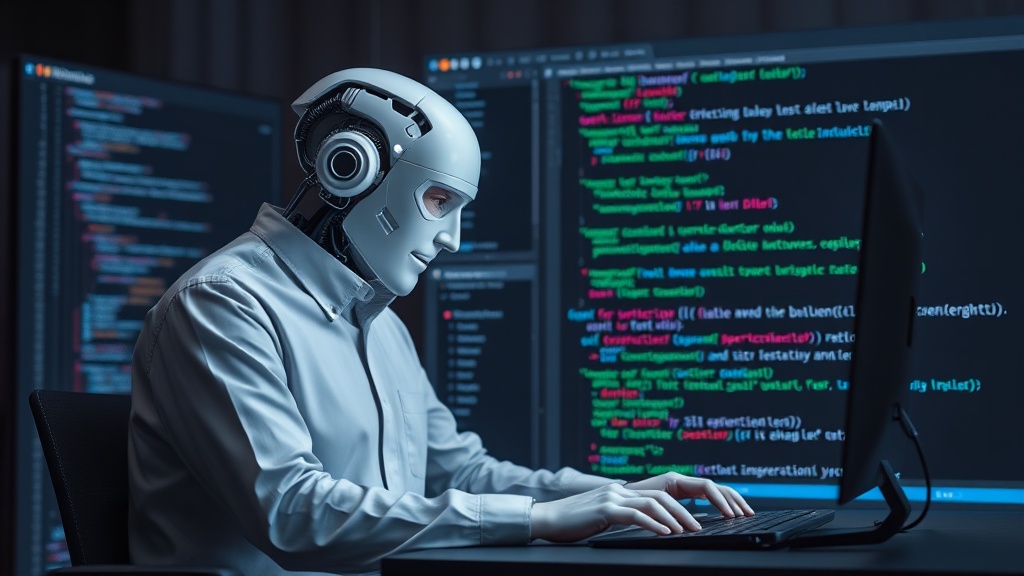
The current generation of AI tools acts as a powerful assistant, akin to a highly skilled pair programmer or a tireless debugger. They augment the capabilities of human engineers, freeing them from mundane tasks to focus on higher-level problem-solving. This augmentation dramatically increases efficiency, allowing engineers to achieve more in less time. The fear of replacement stems from this amplified productivity, but it overlooks the indispensable human element in complex problem-solving and strategic planning.
The Evolving Role of the Software Engineer
As AI takes on more of the coding and debugging tasks, the role of the software engineer will inevitably evolve. The emphasis will shift further towards design, architecture, critical evaluation of AI-generated outputs, and strategic thinking. Engineers will need to become adept at prompting AI effectively, understanding its limitations, and integrating its capabilities into larger development workflows.
This is analogous to how previous technological shifts have transformed professions. The advent of compilers didn't eliminate programmers; it freed them from manual assembly language coding to work at a higher level of abstraction. Similarly, the rise of sophisticated IDEs and debugging tools didn't replace developers but made them more effective. AI represents the next stage in this evolution.
Engineers will become orchestrators of AI tools, guiding them and validating their work. The ability to critically assess AI-generated code, understand its security implications, and ensure it aligns with project goals will become paramount. This requires a deeper understanding of software principles, not less. The engineer's role will become less about the minutiae of syntax and more about the art and science of building robust, scalable, and maintainable systems.
What AI Cannot Replicate
Several key aspects of software engineering remain beyond AI's current grasp:
- Strategic Decision-Making: Choosing between different architectural patterns, selecting tech stacks based on long-term viability, and defining project roadmaps require human judgment and foresight.
- Understanding Nuance and Context: AI struggles with implicit requirements, team dynamics, and the subtle business context that informs technical decisions.
- Creativity and Innovation: True innovation often involves thinking outside existing patterns, a capability AI, which relies on learned patterns, finds challenging.
- Ethical Considerations: AI cannot grapple with the ethical implications of software design or ensure fairness and accountability in the same way a human engineer can.
- Human Collaboration: Software development is a team sport. Effective communication, mentorship, and collaboration are inherently human skills.
AI is a powerful tool that will undoubtedly reshape the software development landscape. It will automate many of the tasks that currently consume engineers' time, leading to increased productivity and potentially faster development cycles. However, it will not replace the need for human ingenuity, critical thinking, and strategic decision-making that define the profession of software engineering. The engineers who embrace AI as a collaborator, rather than fearing it as a replacement, will be the ones who thrive in this evolving technological era.