The Challenge of Non-Standard Text in AI Translation
Standard machine translation models excel at literal interpretations of text. However, literary works are rich with idioms, metaphors, cultural references, and ambiguous phrases. These elements, when mistranslated, can completely derail the reader's immersion and understanding. LectuLibre identified this gap and developed a specialized pipeline, 非标准文本翻译与含义确认 (non‑standard text translation and meaning confirmation), to address these complexities.
The core problem lies in the inherent ambiguity and context-dependence of non-standard language. A direct translation of an idiom often results in nonsense. For instance, translating "kick the bucket" literally would fail to convey the meaning of "to die." Similarly, cultural references like "a Herculean task" require an understanding of Greek mythology to be understood, or at least a contextual equivalent in the target culture. LLMs, while powerful, often struggle with these nuances without explicit guidance or specialized training. LectuLibre's goal was to create a system that not only produced accurate translations for these difficult passages but also allowed human users to verify and refine the output, recognizing that in literature, precision is paramount.
Designing the Translation Pipeline
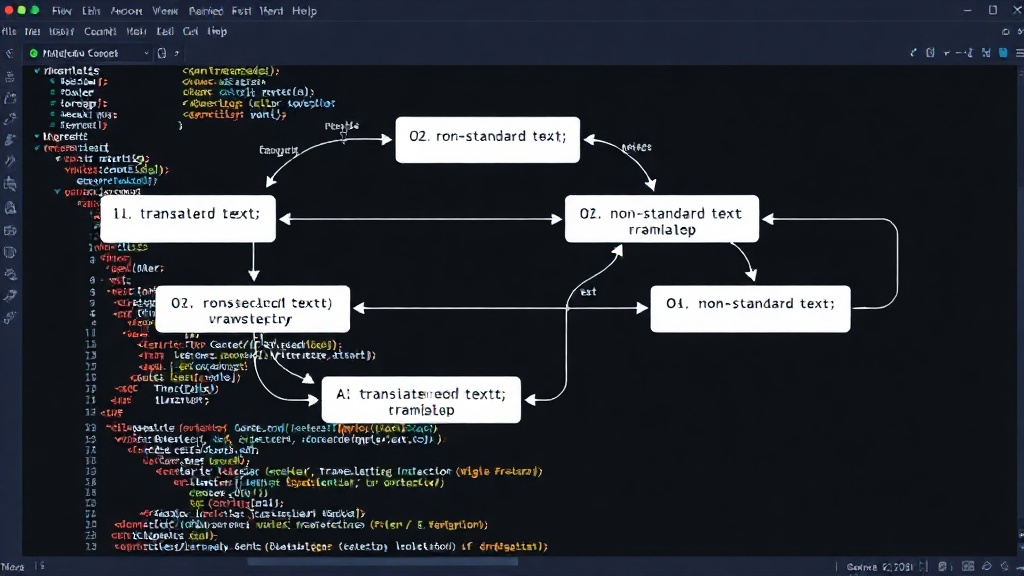
The pipeline is engineered to detect and process non-standard text specifically. It doesn't replace standard translation but augments it. The process begins with identifying sentences or phrases that are likely to fall into the category of non-standard language. This detection mechanism is crucial. It acts as a gatekeeper, flagging content that requires a more sophisticated approach than a simple LLM query.
Once a problematic phrase is identified, the system engages a specialized LLM to generate a translation. This is not a one-off translation; the LLM is prompted to consider the surrounding context of the book. This contextual awareness is key. It allows the model to infer the intended meaning of an idiom or metaphor based on the narrative, character development, and overall tone of the work. For example, if a character is described as "having a chip on their shoulder," the LLM needs to understand this refers to a lingering grievance or sense of inferiority, not a literal piece of wood.
Meaning Confirmation and User Intervention
Beyond just providing a translation, the pipeline offers a crucial "meaning confirmation" layer. For each flagged non-standard phrase, the system not only proposes a translation but also provides an explanation of the original meaning. This explanation clarifies the idiom, metaphor, or cultural reference, detailing its origin and typical usage. This transparency is vital for literary translation, where the translator's understanding directly impacts the final text.
The user interface is designed to present this information clearly. A user, likely an editor or a literary translator, can review the proposed translation alongside the original text and the explanation of its meaning. This allows them to make an informed decision. If the proposed translation is accurate and the explanation is clear, they can approve it. If not, they have the ability to edit the translation directly or provide further feedback. This human-in-the-loop approach ensures that the final translated text retains the author's original intent and the literary quality of the work. It transforms the AI from a black box into a collaborative tool.
Technical Implementation Details
The LectuLibre team built this pipeline using Python, leveraging its extensive libraries for natural language processing and LLM integration. The choice of Python is practical, offering rapid development cycles and access to a rich ecosystem of AI tools and frameworks. While specific LLM models are not detailed in the initial description, the architecture implies the use of models capable of handling complex prompting and contextual reasoning.
The system likely involves several components: a text segmentation module to break down the book into manageable units; a non-standard text detection module, possibly using a trained classifier or rule-based system; a contextual translation module that queries LLMs with carefully crafted prompts; and a user interface for review and editing. The "meaning explanation" component might involve retrieving information from a knowledge base or using the LLM itself to generate definitions based on its training data.
The development process, as described, was iterative. The team encountered significant challenges with ambiguous phrases, which are notoriously difficult to disambiguate even for humans without deep cultural knowledge. The process of refining the prompts for the LLM and improving the accuracy of the detection module was likely extensive. The emphasis on user control and verification suggests a design philosophy that prioritizes accuracy and authorial fidelity over pure automation. This approach acknowledges the limitations of current AI in capturing the full spectrum of human expression, particularly in creative writing.
The Future of Literary AI Translation
LectuLibre's approach to 非标准文本翻译与含义确认 represents a significant step forward in AI-powered literary translation. By focusing on the most challenging aspects of language—idioms, cultural nuances, and ambiguity—and integrating human oversight, they are building a system that respects the art of literature. The pipeline is not just about converting words; it's about preserving meaning, tone, and cultural context across languages.
This work highlights a broader trend: AI is becoming more specialized. Instead of aiming for a general-purpose translator that handles everything adequately, the focus is shifting to building systems that excel at specific, difficult tasks. For book translation, the non-standard elements are often what give a book its unique voice. Capturing these elements accurately requires more than just statistical language models; it requires a deeper, albeit simulated, understanding of context and culture.
The success of this pipeline could pave the way for similar specialized AI tools in other fields where nuance and cultural understanding are critical. It also underscores the enduring importance of human expertise. The AI acts as a powerful assistant, accelerating the process and providing informed suggestions, but the final judgment and creative control remain with the human translator. This collaborative model appears to be the most effective path forward for complex AI applications in creative domains.