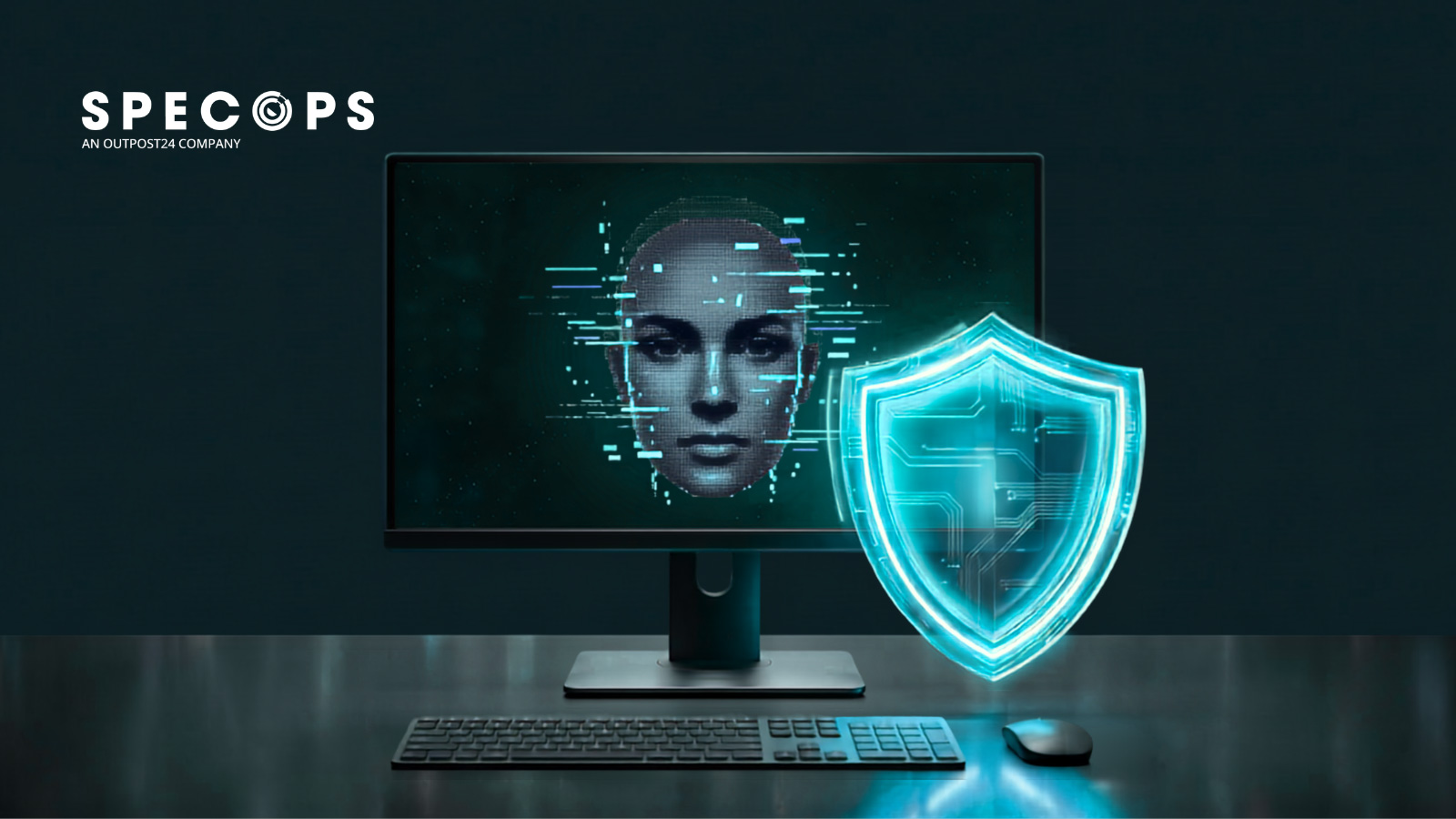
AI-Enhanced Service Desk Impersonation
Artificial intelligence is no longer just a tool for efficiency; it's a potent weapon in the arsenal of cybercriminals targeting corporate service desks. Specops Software has detailed how AI is fundamentally changing the landscape of these attacks, making them more sophisticated and harder to detect. The core of these AI-powered attacks lies in their ability to impersonate legitimate IT personnel with unprecedented accuracy and personalization.
Attackers are leveraging AI to craft highly convincing phishing emails and messages that mimic the tone, style, and even the specific jargon used by an organization's internal IT department. This level of mimicry is crucial because service desks are often the first point of contact for employees needing technical assistance or password resets. By impersonating IT staff, attackers can trick users into divulging sensitive information, such as login credentials, multi-factor authentication codes, or even personal identifiable information, under the guise of legitimate support requests. The AI’s ability to generate contextually relevant and grammatically perfect text significantly lowers the suspicion threshold for recipients.
Consider it like this: instead of a clumsy forgery of a trusted signature, AI can now produce a near-perfect replica, complete with nuanced flourishes that only someone familiar with the original would recognize. This makes it incredibly difficult for even vigilant employees to distinguish between a genuine IT request and a malicious one. The speed at which AI can generate these tailored messages also means attackers can launch widespread campaigns or focus on highly targeted spear-phishing attacks with minimal manual effort.
The sophistication extends to voice phishing (vishing) as well. AI-powered voice cloning technology can now synthesize realistic-sounding audio of known individuals, including IT support staff. An attacker could potentially use a cloned voice of a known IT manager to request urgent actions from an employee, further eroding trust in the communication channels.
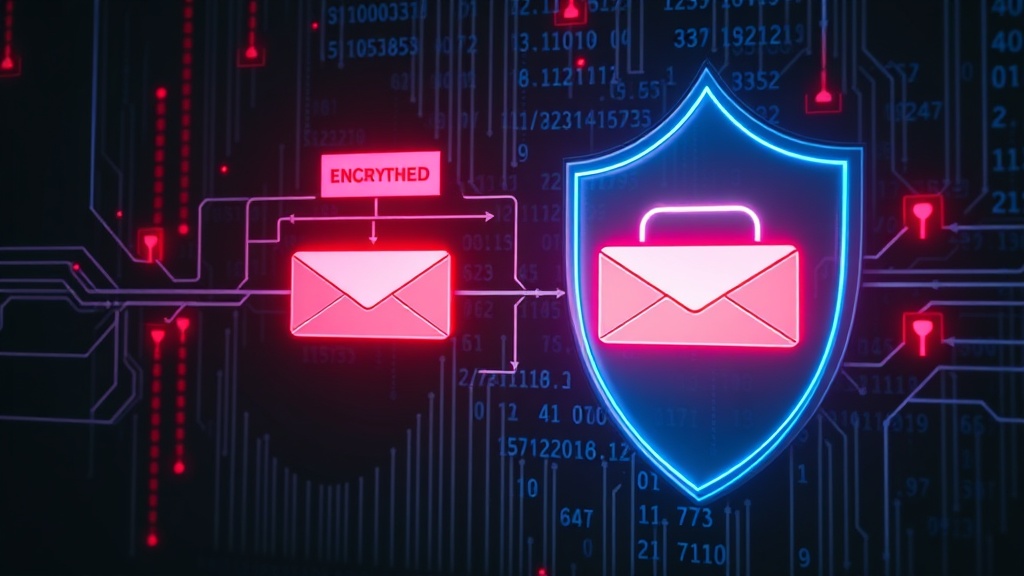
Personalization at Scale
One of the most significant advancements AI brings to these attacks is the ability to personalize at scale. Traditional phishing campaigns often relied on generic templates. AI, however, can analyze publicly available information about an organization and its employees from sources like LinkedIn, company websites, and social media. This data is then used to create highly individualized attack vectors.
An AI can generate a phishing email that references a specific project an employee is working on, mentions their manager by name, or even incorporates details about recent company news or internal events. This deep personalization makes the attack feel less like a mass mailing and more like a direct, urgent communication from a trusted source. For instance, an AI might craft a message that says, "Hi [Employee Name], I'm following up on the Q3 server migration project. We need to reset your access credentials immediately to ensure data integrity. Please click this link and verify your details." This level of tailored detail is far more persuasive than a generic "Your account needs attention."
Furthermore, AI can adapt its approach based on the target's role or department. An attack aimed at a finance department employee might use financial jargon and reference specific financial systems, while an attack targeting HR might focus on employee data access or onboarding processes. This dynamic adaptation, powered by AI, allows attackers to maximize their success rate by tailoring the message to resonate with the recipient's daily work and concerns.
The scalability of these personalized attacks is a critical concern. Manually crafting unique phishing emails for hundreds or thousands of employees would be an insurmountable task. AI automates this process, allowing attackers to generate thousands of highly personalized, yet distinct, phishing attempts in a fraction of the time. This drastically increases the attack surface and the probability of a successful breach.
Preventative Measures and Identity Verification
Combating AI-powered service desk attacks requires a multi-layered defense strategy that focuses on strengthening identity verification and improving user awareness. Organizations must move beyond simple password-based authentication, especially for sensitive actions like password resets or account access changes.
Strengthening Onboarding and Identity Verification:
- Multi-Factor Authentication (MFA): Implementing robust MFA is non-negotiable. This should go beyond SMS-based codes, which can be intercepted, and include app-based authenticators or hardware security keys. For high-risk operations, consider step-up authentication.
- Biometric Verification: Where feasible, incorporating biometric authentication methods (e.g., fingerprint, facial recognition) for critical actions can add a significant layer of security.
- Knowledge-Based Authentication (KBA): While less secure than MFA or biometrics, well-designed KBA questions that are not easily discoverable online or through social engineering can serve as a supplementary verification step. These questions should be based on information only the legitimate user would know, not easily guessable facts.
- Contextual Verification: Implement systems that analyze the context of a request. For example, a request originating from an unusual IP address, at an odd hour, or for an action that deviates from the user's typical behavior should trigger additional verification steps.
Enhancing User Awareness and Training:
- Regular Security Awareness Training: Conduct frequent, engaging training sessions that educate employees about the latest phishing tactics, including AI-generated lures. Use real-world examples and simulations to reinforce learning.
- Clear Reporting Procedures: Establish and promote clear, easy-to-use channels for employees to report suspicious communications. Ensure that IT support is readily available to help employees verify requests.
- Zero Trust Principles: Adopt a zero-trust security model where no user or device is implicitly trusted. Every access request must be verified, regardless of origin.
Technical Defenses:
- Advanced Email Filtering: Deploy sophisticated email security gateways that use AI and machine learning to detect anomalies, unnatural language patterns, and suspicious sender behavior, even in highly personalized messages.
- Endpoint Detection and Response (EDR): Utilize EDR solutions to monitor endpoints for malicious activity and unauthorized access attempts.
- Identity and Access Management (IAM): Ensure your IAM solutions are up-to-date and configured to enforce least privilege and monitor for unusual access patterns.
The evolving threat landscape means that static security measures are no longer sufficient. Organizations must proactively adapt their defenses to counter the growing sophistication of AI-driven attacks, ensuring that their service desks remain a secure point of contact, not an entry point for adversaries.