The Problem with AI Quota Reset Transparency
Keeping track of AI model usage limits and reset schedules has become a significant challenge for developers and power users. As AI services mature, providers frequently adjust their pricing, free tiers, and quota reset times. However, this information is often buried in documentation, inconsistently announced, or simply changed without clear notification. This lack of transparency can lead to unexpected service interruptions and budget overruns. For instance, the creator of Alca found their Codex plan hitting 0% usage for the third time, only to discover that the announced reset schedule had been quietly altered, leaving them without clear information on when their limits would replenish.
Traditional methods of tracking these changes, such as manually screenshotting documentation or taking notes, quickly become untenable. The documentation itself rarely specifies the exact timing of announced resets or which specific tiers are affected by different schedules. This is precisely the problem Alca aims to solve.
Introducing Alca: A New Approach to AI Model Tracking
Alca emerged from this frustration. It is a read-only, anonymous, and signup-free website dedicated to comparing AI model access, pricing, free quotas, and rate limits across various providers. The core feature that addresses the immediate pain point is its reset log. This log provides a dated list of every announced reset and limit change, with each entry hyperlinked back to the original announcement post. This creates an auditable trail and a centralized source of truth for a chaotic aspect of AI service consumption.
The site's design philosophy centers on simplicity and accessibility. By being read-only and anonymous, Alca removes barriers to entry for users who simply want information. The absence of a signup process means users don't need to create accounts or share personal data, fostering trust and encouraging broader adoption among developers who are increasingly wary of data collection practices.
Behind the Scenes: TypeScript and Pull Requests
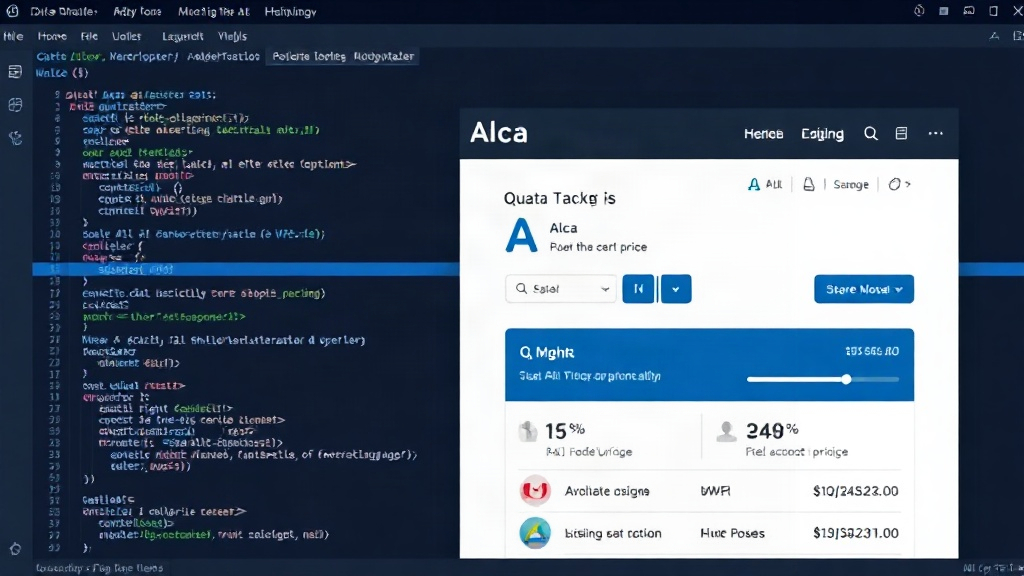
The technical implementation of Alca is as straightforward as its user interface. All content is managed within TypeScript files in a public GitHub repository. Files like models.ts, offers.ts, and codexResets.ts house the structured data. The content editing process is integrated directly into the development workflow: a "content editor" is simply a pull request.
When a change is needed – whether it's updating a price, logging a new reset time, or correcting an entry – the process involves editing a file, submitting a pull request, and allowing the continuous integration (CI) pipeline to check for referential integrity and other data quality checks. This approach offers several advantages:
- Version Control: Every change is tracked, providing a complete history of modifications.
- Transparency: The public repository allows anyone to inspect the data and its sources.
- Collaboration: Developers can contribute by opening issues or submitting pull requests, fostering a community-driven approach to data accuracy.
- Automation: CI checks ensure data consistency and prevent errors before changes are merged.
This method effectively turns content management into a developer-centric, auditable process. It bypasses the need for traditional content management systems (CMS) or administrative panels, which can introduce security vulnerabilities and complexity. For Alca, a read-only, anonymous site, a complex admin backend would be unnecessary overhead and a potential attack vector.
The Security Implications of No Admin Panel
The decision to forgo an admin panel is not merely a matter of simplicity; it's a deliberate security choice. Admin panels are often prime targets for attackers. They represent a gateway to sensitive data, user management, and system configuration. By eliminating this component entirely, Alca significantly reduces its attack surface. The system relies on the security of the Git repository and the CI/CD pipeline, which are standard tools for developers and generally well-hardened.
This minimalist approach means that any updates or corrections to the site's data must go through the pull request process. This ensures that all changes are reviewed, validated, and logged. For a site focused on providing accurate, up-to-date information about AI service limits, this method enhances trustworthiness. Users can have confidence that the data hasn't been tampered with through a vulnerable backend interface. It’s akin to a public ledger; the integrity of the data is maintained by the transparency of the process, not by the secrecy of an administrative login.
Broader Implications for AI Service Consumers
Alca's existence highlights a significant gap in the AI service ecosystem. As more developers and businesses integrate AI models into their products and workflows, understanding and managing usage limits and costs becomes critical. Providers who fail to offer clear, consistent, and accessible information about these aspects risk alienating their user base. The rise of tools like Alca suggests a growing demand for greater transparency and predictability in AI service consumption.
The site also serves as a subtle pressure point on AI providers. By aggregating and publicizing information about quotas and resets, Alca makes it easier for users to compare offerings and identify providers that are more transparent and reliable. This can influence user choice and encourage providers to improve their communication and service management practices. For founders building AI-powered applications, Alca offers a vital resource for cost management and service continuity planning. Developers can use it to benchmark different models, anticipate potential throttling, and make informed decisions about which services best fit their needs and budget. The site is a testament to the power of community-driven solutions addressing systemic issues in emerging technology landscapes.