The Dawn of Adaptable Automation
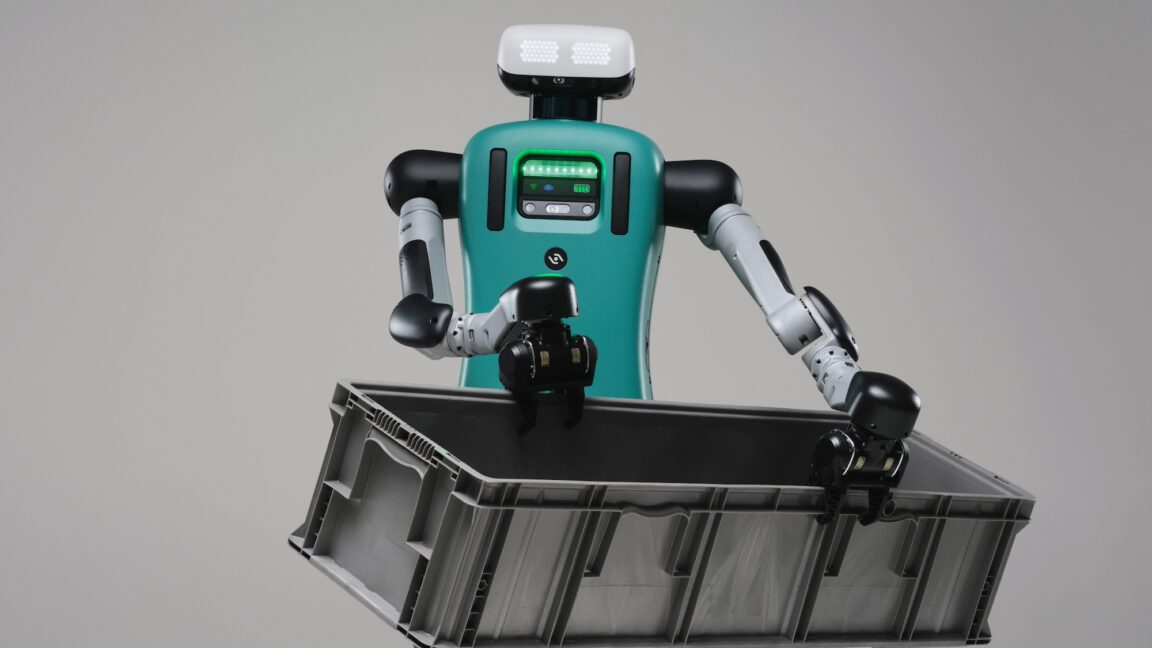
For decades, robots in workplaces have been the domain of highly specialized, repetitive tasks. Think assembly line arms performing the same weld or pick-and-place motion millions of times. This paradigm is on the cusp of a dramatic shift, driven by advancements in artificial intelligence. Top robotics researchers and founders are converging on a future where robots are not just programmed for a single job, but possess the general-purpose autonomy to learn, adapt, and operate in dynamic, unstructured environments – from manufacturing floors to our own homes.
The core challenge has always been bridging the gap between a robot's physical capabilities and its ability to understand and interact with the real world in a flexible manner. Traditional robotics relied on meticulously programmed sequences, brittle against any deviation from the expected. AI, particularly in areas like reinforcement learning, computer vision, and natural language processing, is providing the missing intelligence layer. This allows robots to perceive their surroundings, make decisions, and execute actions with a level of adaptability previously confined to human workers.
From Fixed Functions to Fluid Operations
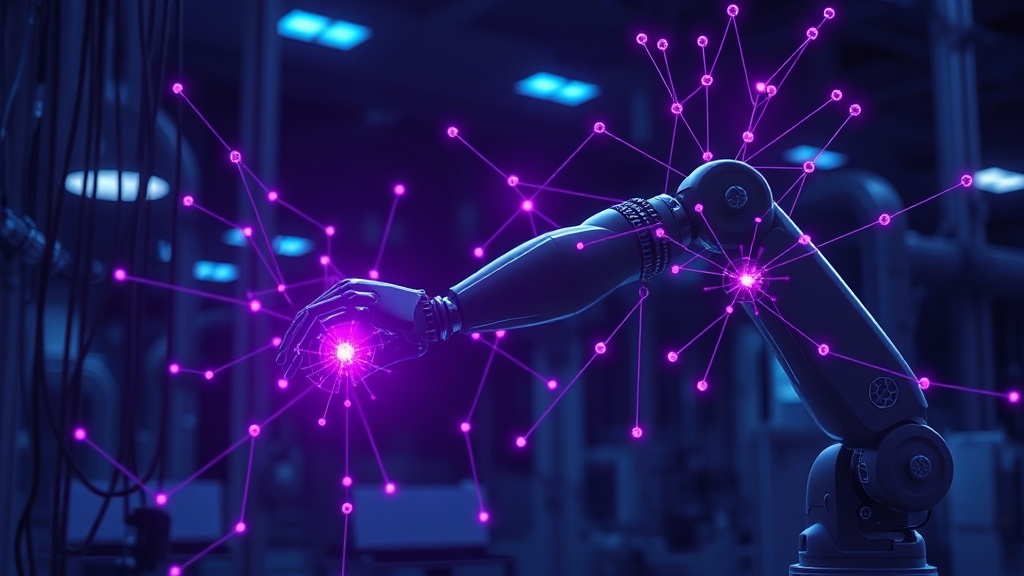
The evolution is best understood as a move from fixed functions to fluid operations. Instead of a robot arm programmed solely to tighten a specific bolt, imagine a robot that can identify the correct bolt, select the appropriate tool, apply the correct torque, and even detect if the bolt is cross-threaded – all without explicit, step-by-step human instruction for each scenario. This requires a deep understanding of cause and effect, object recognition in varied lighting conditions, and the dexterity to manipulate objects with precision.
Several key AI advancements are enabling this transition. Reinforcement learning (RL) is crucial. Unlike supervised learning, where a robot is trained on labeled data, RL allows robots to learn through trial and error, receiving rewards for successful actions and penalties for failures. This is akin to how a human learns a new skill by practicing and refining their technique. Researchers are developing more sample-efficient RL algorithms that can train robots in simulation before deploying them in the real world, significantly reducing the time and cost of training.
Computer vision has also made leaps. Advanced deep learning models can now process visual input to identify objects, understand spatial relationships, detect anomalies, and even predict the movement of other agents (human or robotic) in real-time. This allows robots to navigate complex environments, avoid collisions, and perform tasks that require fine-grained visual feedback. Think of a robot sorting packages in a warehouse, each with different shapes, sizes, and labels, or a domestic robot identifying and picking up misplaced items.
Furthermore, natural language processing (NLP) is beginning to play a role, enabling more intuitive human-robot interaction. While not yet at the level of conversational AI assistants, future robots could understand commands like "clean up this area" or "assemble this component according to the diagram," translating abstract instructions into concrete robotic actions. This dramatically expands the potential applications for robots beyond predefined, highly structured tasks.
The Industrial Frontier and Beyond
In industrial settings, the implications are profound. Companies are no longer limited to deploying robots for high-volume, low-variability production lines. General-purpose autonomous robots could tackle tasks in logistics, quality control, maintenance, and even customized manufacturing. This could lead to more flexible factories capable of rapidly reconfiguring for different product runs or handling a wider variety of goods. The ability of robots to work alongside humans, or even take over tasks that are dangerous, dull, or dirty, promises to reshape the manufacturing landscape.
Consider the challenge of handling an ever-increasing variety of products in e-commerce fulfillment centers. Robots that can learn to identify, grasp, and sort items of vastly different shapes, weights, and fragility, without needing to be reprogrammed for each new SKU, represent a significant leap. This adaptability is the holy grail for many industries struggling with labor shortages and the demand for greater operational flexibility.
Home is Where the Robot Is?
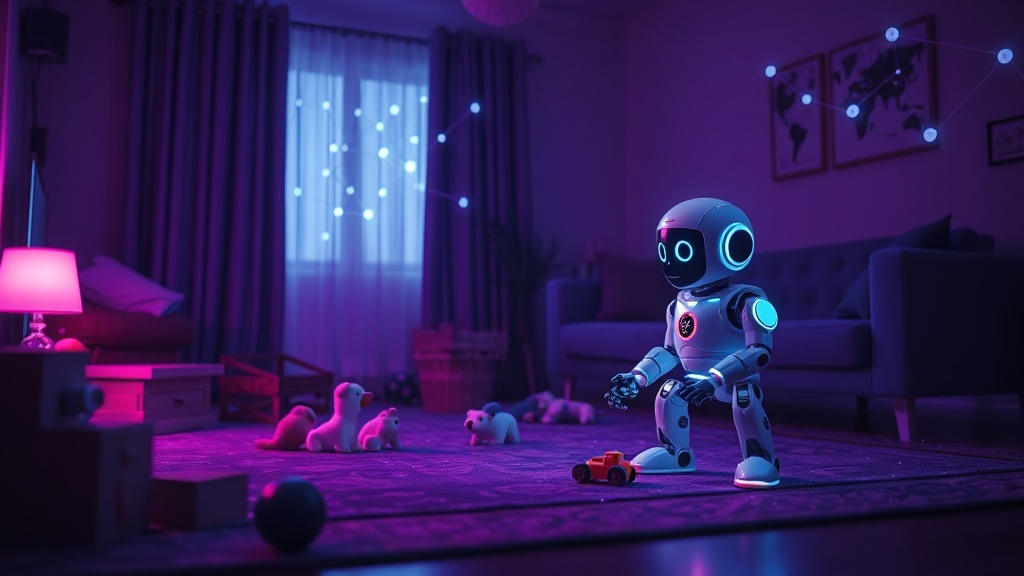
The vision extends beyond the factory floor to domestic environments. While consumer-grade general-purpose robots capable of performing complex household chores are still further out, the foundational AI technologies are being developed. Imagine robots that can learn to load a dishwasher, fold laundry, or even assist the elderly with daily tasks. The primary hurdles here are safety, cost, and the sheer unpredictability of home environments compared to structured industrial settings.
However, progress in areas like improved object manipulation, safer human-robot interaction protocols, and more robust navigation in cluttered spaces is paving the way. The AI that enables a factory robot to adapt to a new product line is fundamentally the same AI that could allow a home robot to learn to operate a coffee maker or tidy up a child's playroom. The challenge is immense, requiring robots to operate reliably and safely in environments where human behavior is far less predictable than in a factory.
What remains to be seen is the pace at which these general-purpose robots will become ubiquitous. The technical hurdles are significant, but the economic incentives and the rapid progress in AI suggest that the era of truly autonomous, adaptable robot workers is no longer science fiction. It is an emerging reality, driven by intelligent systems that are learning to understand and interact with our world, one task at a time.