%22%20%2F%3E%0A%20%20%3C%2Fsvg%3E)
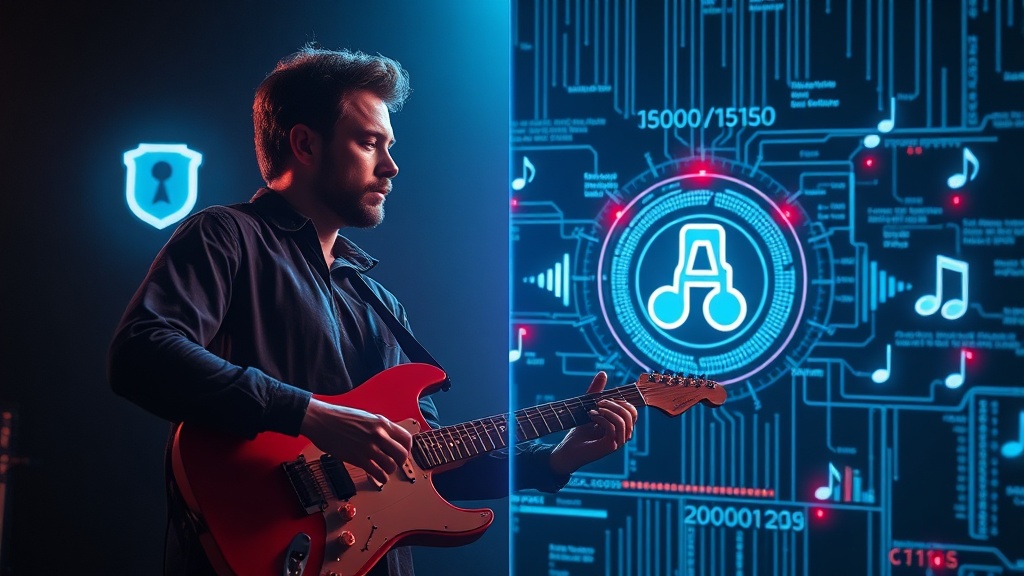
The Rise of AI in Music Creation
The landscape of music creation is undergoing a seismic shift, driven by rapid advancements in artificial intelligence. What was once the exclusive domain of human emotion and technical skill is now increasingly being populated by algorithms capable of composing, performing, and even singing music. This phenomenon, highlighted by users discovering AI-generated tracks on platforms like YouTube that resonate deeply, sparks a profound debate about the future of music and its inherent value. The question is no longer if AI can produce music, but what its proliferation means for human artists and our connection to the art form.
For many, music has always been a uniquely human endeavor, a conduit for expressing complex emotions, personal experiences, and the nuances of the human condition. A song that "speaks to you" does so because it taps into a shared emotional frequency, a sense of understanding forged through lived experience. When that same emotional impact is delivered by an AI, it challenges our fundamental assumptions about art and authorship. The impressive technical feat of an AI composing and performing a compelling song is undeniable, yet it simultaneously elicits a visceral unease. This unease stems from the potential devaluation of human artistry and the erosion of the deeply personal connection we often feel with music created by fellow humans.
The concern is that AI-generated music, optimized for engagement and potentially indistinguishable from human creations, could flood the market. This could lead to a scenario where human artists struggle to gain visibility and financial viability. The very definition of musical talent and originality is being called into question. If an AI can master melody, harmony, rhythm, and lyrical content to the point of commercial success, what becomes of the years of practice, emotional investment, and unique perspective that human musicians bring to their craft? This trend mirrors broader anxieties about AI's impact on creative industries, from visual arts to writing, where AI tools are increasingly capable of producing sophisticated outputs.
The Emotional Resonance Paradox
A core tension in this debate lies in the paradox of emotional resonance. Music's power often derives from the belief that it is born from genuine human feeling – joy, sorrow, love, anger, longing. When we connect with a song, we are often connecting with the artist's expressed emotion, their story, their vulnerability. An AI, however, does not feel emotions in the human sense. It can analyze vast datasets of music and human emotional responses to identify patterns and generate outputs that mimic emotional expression. The result can be technically proficient and even pleasing, but the underlying 'intent' is algorithmic, not experiential.
Consider the difference between a musician pouring their heartbreak into a ballad and an AI generating a ballad based on the statistical correlation between lyrical themes, melodic structures, and listener engagement metrics associated with heartbreak. While the listener might experience a similar emotional response, the origin of that response is fundamentally different. This raises questions about authenticity and the perceived value of art. Is the emotional connection we feel diminished if we know the 'artist' is a machine that has never experienced the emotion it so convincingly portrays? This is akin to appreciating a perfectly rendered landscape painting created by a sophisticated 3D printer versus one painted by an artist who has spent years observing and capturing the subtle light of that very landscape.
Commercialization and The Billboard Charts
The ultimate test for AI's musical prowess, as suggested by the user's query, is its potential to dominate commercial music charts. Platforms like YouTube and Spotify are already seeing AI-generated tracks gain traction, often promoted by sophisticated algorithms themselves. If AI can consistently produce music that appeals to a broad audience, it could fundamentally alter the music industry's economics and cultural influence. Major labels and independent artists alike may face increased competition from entities that can generate content at an unprecedented scale and speed, with potentially lower production costs.
The implications for the Billboard charts are significant. These charts are not just a measure of popularity; they shape cultural trends, influence radio play, and determine commercial opportunities for artists. If AI-produced songs begin to consistently appear at the top, it signals a shift where algorithmic appeal might supersede human narrative and artistic distinctiveness. This could lead to a homogenization of popular music, where songs are optimized for maximum virality rather than genuine artistic expression. Furthermore, the existing infrastructure of the music industry, built around human talent discovery, development, and promotion, would need to adapt drastically. The very notion of an 'artist' might expand to include the engineers and prompt engineers behind the AI systems.
The Unanswered Question: What Happens to Human Artists?
While the technical achievements of AI in music are impressive, the most pressing concern is the future viability and perceived value of human musicians. If AI can replicate the sonic output and even the emotional veneer of human artistry at scale, what becomes of the human element that has defined music for millennia? Will human artists be relegated to niche genres, or will they find new ways to differentiate themselves through live performance, unique personal narratives, or experimental forms that AI struggles to emulate? The industry, from record labels to streaming services and live venues, must confront how to integrate or compete with AI-generated content without marginalizing the human creators who have long been the soul of music.
This scenario prompts a broader reflection on what we value in art. Is it the final product, the emotional response it elicits, or the human journey and intent behind its creation? As AI continues to blur these lines, the conversation around AI in music is not just about technology; it's about preserving the essence of human creativity and ensuring that the art form remains a vibrant expression of our shared humanity.