
The Expanding AI Workforce
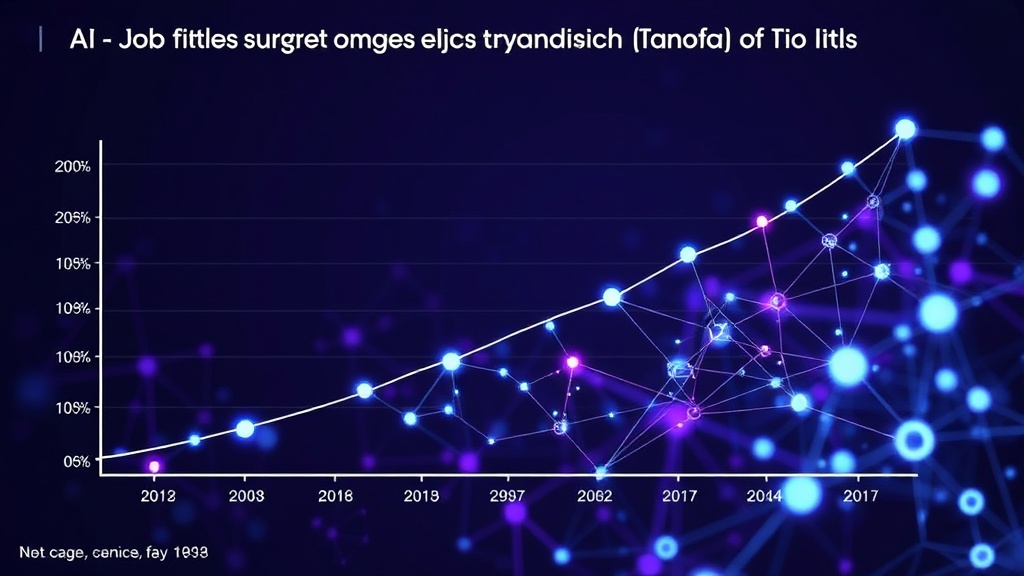
The integration of artificial intelligence into the modern workplace is no longer confined to specialized tech roles. A burgeoning trend indicates a significant surge in job titles that explicitly mention AI, extending far beyond the traditional boundaries of software development and data science. This expansion suggests a widespread adoption and reliance on AI tools and methodologies across a diverse range of industries, from healthcare and finance to creative arts and customer service.
Data emerging from job market analytics points to a notable increase in positions that require or leverage AI expertise. This isn't just about new roles being created; it's also about existing roles being redefined to incorporate AI competencies. For instance, a marketing manager might now be expected to understand AI-powered analytics for campaign optimization, or a financial analyst might need to be proficient in AI-driven risk assessment tools. The sheer volume and variety of these new and adapted roles underscore AI's transition from a niche technological frontier to an embedded component of mainstream professional life.
The implications of this trend are profound. It suggests that AI is moving beyond being a tool for automation and efficiency to become a core element of job function and professional identity. This necessitates a reevaluation of skills, training, and educational pathways to equip the current and future workforce with the necessary AI literacy. Companies are beginning to recognize that AI proficiency is becoming a critical differentiator, not just for technical teams but for virtually all departments seeking to remain competitive and innovative.
Beyond the Tech Bubble
Historically, discussions around AI in the job market primarily centered on roles like AI Engineers, Machine Learning Specialists, and Data Scientists. While these roles continue to be in high demand, the recent surge reveals a broader societal and economic shift. Job postings now frequently feature titles such as "AI Marketing Specialist," "AI Ethics Officer," "AI Content Creator," "AI Product Manager," and even "AI-Enhanced Nurse." This diversification indicates that AI is being applied to solve specific problems and enhance capabilities within virtually every sector.
Consider the creative industries. AI tools are increasingly used for content generation, image editing, music composition, and scriptwriting. Consequently, job titles are emerging that reflect this integration, such as "AI Prompt Engineer for Creative Content" or "AI Art Director." These roles require individuals who not only understand the creative process but also possess the technical acumen to effectively leverage AI platforms to augment their creative output. This is a far cry from the early days of AI, where its application was largely experimental and confined to research labs.
Similarly, in healthcare, AI is being used for diagnostics, drug discovery, personalized treatment plans, and administrative efficiency. This has led to roles like "AI Clinical Data Analyst," "AI-Powered Diagnostics Specialist," and "AI Workflow Coordinator for Hospitals." These positions require a deep understanding of both medical practices and AI capabilities, bridging the gap between technology and patient care. The ability to interpret AI-generated insights and integrate them into clinical decision-making is becoming a vital skill.
This widespread integration is not merely about adding AI to a job description; it signifies a fundamental change in how work is performed. It means that professionals across the board will increasingly interact with, manage, or be managed by AI systems. This necessitates a workforce that is not only adaptable but also possesses a foundational understanding of AI's capabilities, limitations, and ethical considerations. The surprise is not that AI is impacting jobs, but the sheer speed and breadth with which it is permeating roles previously considered immune to such technological shifts.
The Driving Forces and Future Implications
Several factors are contributing to this rapid proliferation of AI-related job titles. Firstly, the maturation and accessibility of AI technologies, including large language models and advanced machine learning algorithms, have made them practical tools for a wider audience. Secondly, businesses are recognizing the competitive advantage that AI can provide, driving demand for professionals who can implement and manage these solutions. The cost-effectiveness of AI tools, coupled with their demonstrated ability to enhance productivity and innovation, makes them an attractive investment for companies of all sizes.
The increasing availability of AI-powered platforms and services, often delivered through cloud-based solutions, further lowers the barrier to entry. This allows smaller businesses and non-tech organizations to experiment with and adopt AI without requiring massive upfront investments in infrastructure or highly specialized personnel. Instead, they can hire individuals with specific AI-related skills that can be applied to their unique business challenges. The rise of these accessible tools is democratizing AI adoption and, by extension, creating a more diverse landscape of AI-involved job roles.
Looking ahead, this trend suggests a significant transformation of the labor market. The demand for individuals with AI skills will likely continue to grow, but it will also become more specialized. We can anticipate the emergence of even more nuanced roles as AI technology evolves and finds new applications. Furthermore, the concept of 'AI literacy' will become as fundamental as digital literacy is today. Educational institutions and corporate training programs will need to adapt rapidly to meet this evolving demand, focusing on both technical AI skills and the soft skills required to work alongside intelligent systems.
What remains to be seen is how effectively traditional educational systems and reskilling initiatives can keep pace with the rapid evolution of AI applications in the job market. The gap between the skills employers need and the skills available in the workforce could widen if training and development programs do not adapt quickly enough. This is not just a challenge for individuals seeking employment, but for entire economies aiming to harness the full potential of AI.