From Reactive Alerts to Proactive Metabolic Concierge
The current landscape of health applications is largely reactive. Users log meals, observe data spikes, and often experience guilt. This paradigm is shifting with the development of a Proactive Health Agent, a system designed to operate within an autonomous loop, leveraging real-time metabolic data. This agent moves beyond simple notifications to deliver actionable intelligence, fundamentally changing how individuals manage their metabolic health.
At its core, this agent utilizes LangGraph, a powerful framework for building stateful, multi-agent applications, in conjunction with data from a Continuous Glucose Monitor (CGM) and the generative capabilities of OpenAI. The goal is to create a personalized metabolic concierge that not only monitors but actively intervenes to maintain optimal health. The system is designed to analyze metabolic trends in real-time and suggest or even initiate corrective actions.
The Mechanics of Proactive Intervention
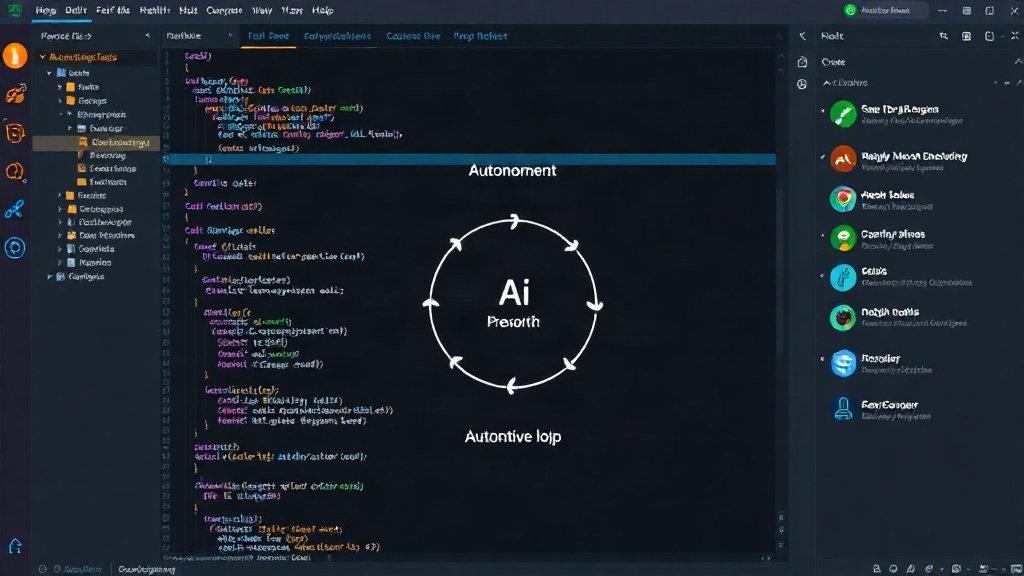
The agent's workflow begins when a CGM detects a significant blood sugar spike or crash. Instead of merely alerting the user, the agent initiates a sophisticated analysis of the user's metabolic trend. This analysis is powered by OpenAI's function calling capabilities, which allow the AI to interact with external tools and APIs. Based on this analysis, the agent can then suggest a corrective meal. In more advanced implementations, it could even prepare an order for that meal through a food delivery API.
This proactive approach is built on several key technological components:
- AI Agents: The foundation of the system, these agents are designed to perform specific tasks, reason about data, and interact with each other.
- LangGraph Orchestration: This framework enables the creation of complex agentic workflows. It manages the state of the agent, allowing for iterative reasoning and decision-making across multiple steps. LangGraph provides the structure to chain together different AI capabilities and data sources into a cohesive process.
- Real-time Health Data: Continuous Glucose Monitor (CGM) data provides the immediate, high-fidelity input necessary for timely intervention. The integration with APIs like Dexcom's allows for seamless data ingestion.
- OpenAI Function Calling: This feature is critical for enabling the AI to take actions beyond generating text. It allows the agent to call external functions, such as querying a delivery service or formatting a meal suggestion based on specific metabolic needs.
The agent operates through a series of states within the LangGraph. When new CGM data arrives, it triggers a state transition. The agent then analyzes this data, consults its knowledge base (potentially including user preferences and dietary restrictions), and decides on the next action. This could be a simple informational output to the user, a recommendation for a specific food, or an API call to initiate a food order. The continuous loop ensures that the agent is always aware of the user's current metabolic state and can adapt its strategy accordingly.
Beyond Simple Alerts: Actionable Intelligence
The true innovation lies in moving from passive monitoring to active management. Traditional health apps might tell you that your blood sugar is high. This agent aims to tell you *why* it's high (or low), what the immediate implications are, and what you can do about it *right now*. For instance, if the agent detects a rapid blood sugar drop, it might not just suggest eating a banana; it could analyze the user's recent activity, meals, and typical metabolic response to identify the optimal type and quantity of food to stabilize glucose levels most effectively and efficiently. It could even factor in the user's stated preferences or dietary goals, such as avoiding high-glycemic index foods during certain times of the day.
The personalization aspect is key. By continuously learning from the user's data and their responses to previous suggestions, the agent refines its recommendations over time. This creates a feedback loop that improves accuracy and efficacy. The system can learn, for example, that a particular user's blood sugar tends to spike more significantly after consuming a specific type of carbohydrate, or that a certain combination of foods leads to more stable glucose levels.
The Future of Personalized Metabolic Health
This project represents a significant step towards truly personalized and proactive healthcare. By integrating advanced AI agent frameworks with real-time biometric data, developers are building tools that can act as intelligent assistants, guiding users towards better health outcomes. The implications extend beyond diabetes management to a broader range of metabolic conditions and general wellness. Imagine an agent that could help athletes optimize their nutrition for peak performance, or assist individuals managing conditions like PCOS with dietary adjustments. The ability to automate analysis and intervention, even at the suggestion level, offers a powerful new approach to health management.
The question that remains is how to scale such personalized agents. Ensuring data privacy, regulatory compliance for health advice, and user trust will be paramount as these systems evolve. Furthermore, the complexity of human metabolism means that these agents will need to become increasingly sophisticated in their reasoning and predictive capabilities. The current iteration is a powerful proof-of-concept, demonstrating the potential of AI to not just track health, but actively improve it, one metabolic state at a time.