The Unseen Cost of AI: Powering the Future
The relentless growth of artificial intelligence, fueled by massive data centers, is creating an unprecedented strain on the United States’ electrical grid. This surge in demand, primarily driven by the immense power requirements of AI training and inference, is leading to escalating energy costs. These rising costs are not merely an abstract economic concern; they directly threaten the ambitious manufacturing revival plans championed by political leaders, including former President Donald Trump’s “Made in America” initiative. The promise of reshoring jobs and revitalizing industrial heartlands is now shadowed by the very real prospect of insufficient and prohibitively expensive power.
At the heart of the issue lies the insatiable appetite for electricity that AI data centers possess. Unlike traditional computing facilities, AI workloads require specialized hardware like Graphics Processing Units (GPUs) that consume enormous amounts of power. These GPUs are essential for the complex calculations involved in training large language models and running AI applications. As companies race to deploy AI capabilities across every sector, the demand for these chips, and consequently the data centers to house them, has exploded. This rapid expansion is outpacing the grid’s capacity and the development of new energy infrastructure, particularly in regions historically reliant on manufacturing.
The Rust Belt's Energy Squeeze
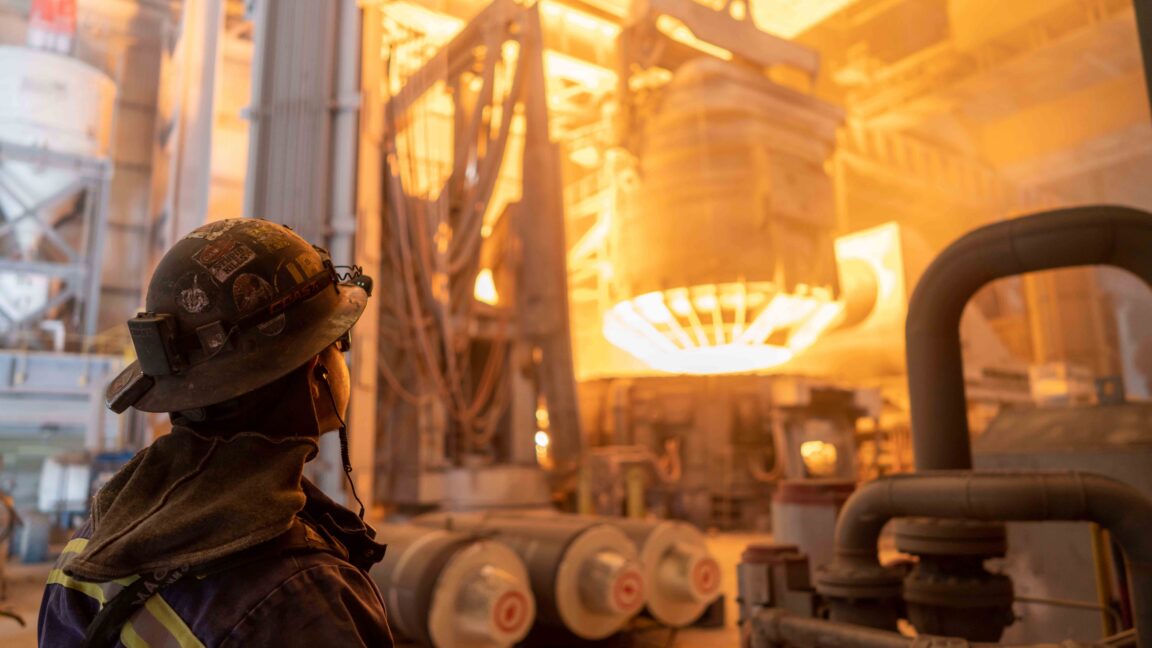
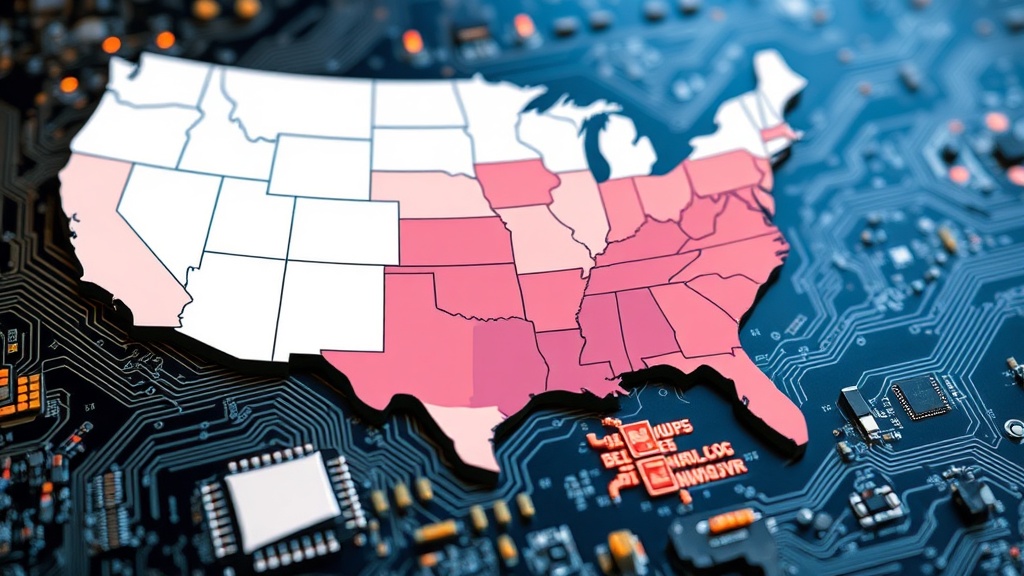
The impact is most acutely felt in the so-called Rust Belt and other industrial corridors of the United States. These areas, long the backbone of American manufacturing, are now facing a dual challenge. On one hand, they are targets for renewed manufacturing investment, spurred by policies aimed at bringing production back to American soil. On the other hand, the influx of AI data centers, which often seek locations with available land, robust infrastructure, and favorable energy rates, is beginning to outbid traditional industrial users for scarce electricity. Utility companies are reporting unprecedented surges in requests for power from data center operators, sometimes dwarfing the needs of established factories and new manufacturing plants combined.
Consider the situation in states like Pennsylvania, Ohio, and Michigan. These states are historically energy-intensive manufacturing hubs. Their power grids were designed to support steel mills, automotive plants, and other heavy industries. Now, a single large AI data center can demand more power than several of these traditional facilities combined. Utility providers are being forced to make difficult decisions about resource allocation. In many cases, the projected energy needs of new AI facilities are so large that they necessitate significant upgrades to transmission and distribution infrastructure, projects that can take years and billions of dollars to complete. This creates a bottleneck, delaying both data center expansion and the potential for new manufacturing to come online.
Economic Ripples and Policy Conflicts
The economic consequences are far-reaching. For existing manufacturers, the increased demand means higher electricity bills. This directly impacts their operating costs, reducing profitability and making them less competitive globally. For companies considering new manufacturing investments in these regions, the availability and cost of electricity are now critical decision factors. If power becomes too expensive or unreliable, these investments may be diverted to other countries or other regions within the US that are less affected by the data center boom. This is a direct contradiction to the goals of policies like Trump’s “Made in America” plan, which aims to foster domestic production and create jobs.
The conflict highlights a fundamental tension between the burgeoning digital economy and the established industrial base. While AI and data centers represent the future of technological advancement and economic growth in some sectors, they risk undermining the very foundations of traditional manufacturing that policymakers are trying to strengthen. The energy infrastructure, built over decades to serve industrial needs, is now being rapidly repurposed and strained by the demands of a new, power-hungry digital frontier. This isn’t a problem confined to one or two states; it’s a national trend, with utilities across the country grappling with similar challenges. The speed at which AI adoption is occurring has caught many by surprise, leaving grid operators and regulators scrambling to adapt.
The Path Forward: Grid Modernization and Strategic Planning
Addressing this challenge requires a multi-pronged approach. Firstly, there is an urgent need for significant investment in grid modernization and expansion. This includes upgrading transmission lines, building new substations, and exploring advanced grid management technologies to increase capacity and efficiency. Secondly, policymakers must develop a more strategic approach to energy allocation. This could involve incentivizing data centers to locate in areas with surplus power or to invest in on-site renewable energy generation. It might also mean prioritizing energy access for critical manufacturing sectors to ensure that the “Made in America” goals are not sacrificed at the altar of AI development.
Furthermore, the development and deployment of more energy-efficient AI hardware and software are crucial. While current AI models are incredibly powerful, they are also notoriously energy-intensive. Research into more efficient algorithms, specialized chips, and optimized data center operations can help mitigate the demand on the grid. The surprising detail here is not that AI requires significant power, but the sheer speed at which this demand has materialized and its immediate, tangible impact on established industries and policy objectives. It suggests that the rapid pace of AI innovation has outstripped our ability to plan for its infrastructural consequences.
For developers and founders building the next generation of AI applications, this means grappling with the real-world constraints of energy availability and cost. For security professionals, ensuring the resilience and reliability of power-dependent infrastructure becomes paramount. For policymakers, the challenge is to balance the immense potential of AI with the foundational needs of a robust manufacturing economy. The future of American manufacturing, and indeed its technological leadership, hinges on our ability to power both effectively and sustainably.