The Problem with Warm Code Reviews
Anyone who has written code and then reviewed it minutes later knows the feeling: the diff looks fine. Of course it does. The person reading it is the same person who just talked themselves into every line of it. The naming made sense because the intent is still warm in memory. The shortcut felt justified because the reason for it is still sitting in working memory, uninspected. This is the fundamental challenge that the cold-context critic aims to solve.
Developers often suffer from a form of cognitive bias when reviewing their own code. The immediate context of creation—the thought process, the justifications, the small victories in getting a piece of logic to work—colors their perception. This 'warm context' makes it difficult to objectively assess the code's quality, clarity, and correctness. What seems obvious and well-reasoned to the author can appear opaque or even flawed to an external reviewer. This is particularly acute for changes made rapidly, where the author's intent is still fresh.
Introducing the Cold-Context Critic
The cold-context critic is a novel approach to automated code review designed to bypass this inherent authorial bias. The core idea is simple yet powerful: the reviewer must be an entity that has absolutely no memory of writing the code it is evaluating. This means the AI model instance used for review is initiated with a clean slate, devoid of any prior knowledge about the code's development history, the author's intentions, or the justifications for specific implementation choices. It receives the code diff as if it were a completely novel submission from an unknown party.
This reviewer does not plan the change. It does not argue for a particular approach. It does not experience the small relief of getting something to finally pass. Instead, it receives the diff and evaluates it purely on its technical merits, akin to how a stranger would assess it. This detached perspective is crucial for identifying potential issues that an author, mired in their creation's context, might overlook.
How it Works: A Fresh Model Instance
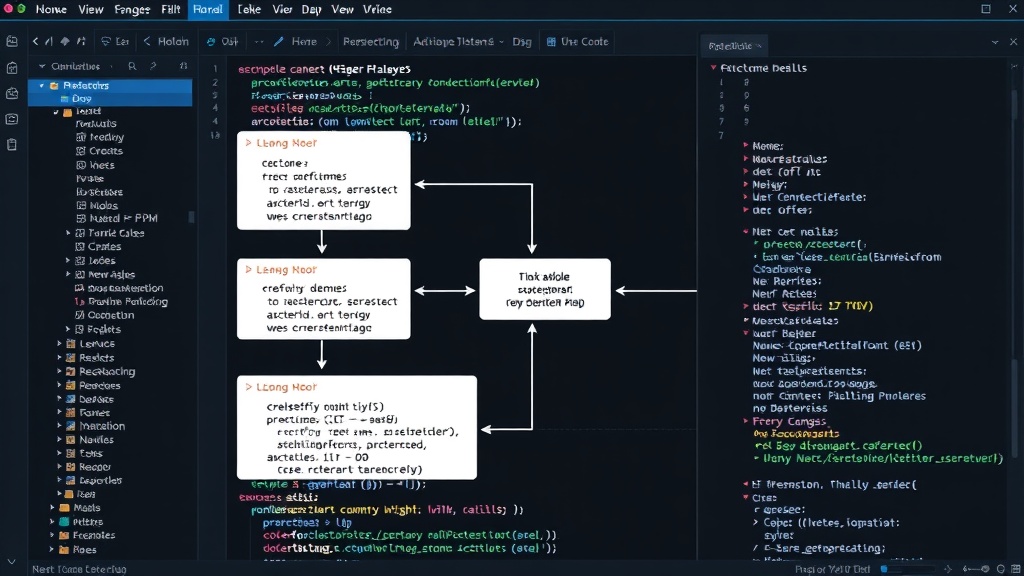
The implementation described involves a harness that ensures each review is conducted by a fresh model instance. When a code change is submitted, instead of leveraging a persistent AI agent that might retain context from previous interactions or code generations, a completely new instance of the language model is spun up. This new instance is then provided with the diff and relevant surrounding code, tasked with evaluating the proposed changes.
Think of it less like a seasoned editor who knows your writing style and more like a strict, anonymous peer reviewer for a scientific journal. The editor might forgive a slightly awkward sentence if they know you've been struggling with that section. The peer reviewer, however, sees only the text on the page and judges it against the established standards of the field, regardless of who wrote it or what their personal struggles might have been. This isolation of context is key to its efficacy.
Benefits of Detached Review
The primary benefit of the cold-context critic is the elimination of authorial rationalization. When a reviewer is also the author, they tend to justify choices based on their immediate thought process. A detached reviewer, however, evaluates the code based on objective criteria: readability, adherence to best practices, potential for bugs, and clarity of intent as expressed solely through the code itself. This can lead to the identification of issues related to variable naming, overly complex logic, or missing edge case handling that the original author, still immersed in their creation, might have glossed over.
Furthermore, this approach can help enforce coding standards and best practices more rigorously. Without the pressure of personal history or familiarity, the AI reviewer can consistently apply predefined rules and guidelines. This is particularly valuable in team environments where maintaining a consistent code quality across multiple developers is a challenge.
Potential Applications and Future Directions
The concept has significant implications for software development workflows. It can serve as an invaluable first line of defense in automated CI/CD pipelines, flagging potential issues before they reach human reviewers or enter testing phases. This frees up human reviewers to focus on higher-level architectural concerns and complex logic rather than nitpicking stylistic inconsistencies or easily identifiable errors.
The system could be further refined by incorporating more sophisticated analysis techniques. For instance, understanding the broader project context without explicit memory of writing it could involve analyzing the entire codebase or relevant documentation to provide more informed feedback. The challenge lies in achieving this contextual understanding without reintroducing the very 'warm' context the system is designed to avoid.
What remains to be seen is how this cold-context critic scales. As codebases grow and interdependencies become more complex, can a stateless AI model effectively evaluate changes without understanding the intricate historical decisions that led to the current state? The success of this approach hinges on its ability to provide meaningful feedback based on the code's current state and established principles, rather than its lineage.