
The AI That Rings Your Phone
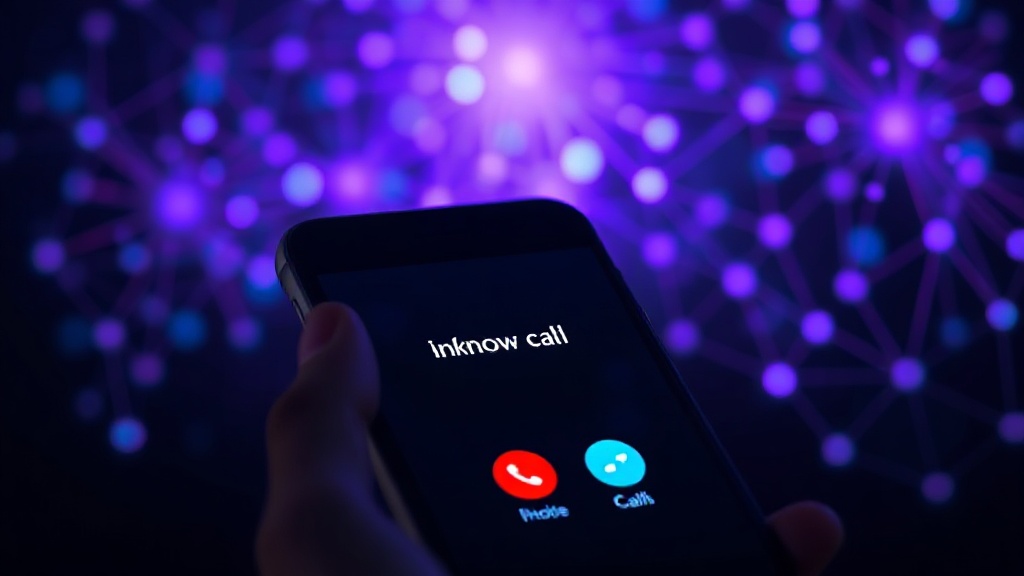
In a move that blurs the lines between helpful digital assistant and unsettling technological intrusion, one individual has given their AI the ability to initiate phone calls. This isn't about receiving a call from a customer service bot; it's about an AI agent that actively contacts you on your personal device when a task it's performing is complete, or when it encounters an issue requiring human intervention. The creator, posting on Reddit's r/artificial, described the system as a solution to managing long-running AI tasks that often leave users staring at progress bars or losing track of ongoing operations.
The AI, when finished or stuck, will call the user's phone. It then reads out a status update. The user can then engage in a verbal dialogue, instructing the AI on the next steps. This creates an interactive feedback loop, transforming the passive experience of waiting for a computational process into a dynamic, albeit unusual, conversation. The creator notes that the experience oscillates between being "genuinely useful" and "slightly cursed," likening the sensation to a computer ringing you like a coworker, but appreciating the elimination of idle waiting time.
This development raises immediate questions about the evolving nature of human-AI interaction. As AI models become more autonomous and capable of complex, multi-step processes, the need for effective communication channels between humans and their digital agents intensifies. Traditional methods like desktop notifications, email alerts, or in-app messages have their limitations, especially when users are away from their primary workstation or engaged in other activities. The AI's phone call bypasses these limitations by using a universally accessible and immediate communication method: a voice call.
The Utility Argument: Bridging the Gap
The core utility of an AI that can call you lies in its ability to provide real-time, context-aware updates without requiring constant user monitoring. For developers or researchers running lengthy AI training jobs, complex data analyses, or extensive simulations, the "rinse and repeat" cycle of checking progress can be a significant time sink. Imagine training a large language model that takes 48 hours to complete. Instead of periodically checking a dashboard, the AI could simply call you when it finishes, or even at key checkpoints, allowing you to decide if the results are satisfactory or if adjustments are needed.
This proactive communication can streamline workflows dramatically. It allows users to "set it and forget it," confident that they will be notified precisely when their attention is required. The conversational aspect further enhances this by enabling immediate decision-making. Instead of logging back into a system to input new parameters or confirm a course of action, the user can simply speak their instructions over the phone. This is particularly valuable for users who are mobile or have their hands occupied, such as during commutes or while performing physical tasks.
Consider a scenario where an AI is tasked with generating a complex report that involves multiple data sources and analytical steps. If, midway through, it encounters an anomaly or a need for clarification on a specific data interpretation, it could place a call. The user, wherever they are, receives the query and can provide the necessary guidance. This immediate human-in-the-loop capability can prevent hours of wasted computation or the generation of flawed results. It’s akin to having a remote assistant who can not only perform tasks but also ask clarifying questions precisely when needed, without you having to actively manage their workflow.
The "Unhinged" Factor: Crossing the Digital Rubicon
However, the concept is not without its detractors, and the creator's own ambivalence highlights the psychological barrier. The idea of an AI initiating a phone call to a personal number can feel invasive. For many, phone calls are reserved for human interaction, and receiving one from a non-human entity, especially one that has been performing tasks in the background, can feel like a violation of personal space. It encroaches on the traditional boundary between the digital workspace and personal life.
This is more than just a notification; it's an active engagement that demands immediate attention. Unlike a text message or an email that can be read at leisure, a phone call typically requires a pause in whatever the recipient is doing. This can be disruptive, particularly if the call comes at an inconvenient moment. The "slightly cursed" feeling stems from this imposition. It transforms the AI from a tool into something that feels more like an entity with agency, capable of interrupting your day without explicit, real-time permission for that specific interruption.
The potential for misuse or unintended consequences is also a concern. If such capabilities become widespread, users might face a deluge of calls from various AI agents managing different tasks. This could lead to notification fatigue or, worse, a breakdown of trust if the AI calls too frequently or for trivial matters. Furthermore, the security implications of an AI having the ability to initiate calls from a device that likely has access to personal contacts and other sensitive information require careful consideration. While the current implementation is personal and controlled, scaling this feature requires robust security protocols and user control mechanisms.
Where Do We Go From Here?
The experiment by XPSDuck is a microcosm of a larger trend: AI agents are becoming more proactive and interactive. As AI capabilities advance, the methods for human oversight and collaboration must evolve. This AI-driven phone call system represents one potential, albeit controversial, path forward. It forces us to confront what level of autonomy and interaction we are comfortable with from our AI systems.
Is this a glimpse into a future where AI seamlessly integrates into our lives, acting as responsive collaborators? Or does it represent a slippery slope towards an overly intrusive digital presence that erodes personal boundaries? The answer likely lies in how such systems are designed and implemented. Granular user controls, clear permission settings, and intelligent algorithms that discern the true necessity of a call versus a less intrusive notification will be crucial. For now, the debate remains open: is an AI that calls your phone a sign of progress, or a step toward a digital future that feels a little too much like a persistent, demanding colleague?
The immediate takeaway for users is that AI is moving beyond passive tools. They are becoming agents that can initiate communication. For developers, it means exploring new interaction paradigms that balance efficiency with user experience and privacy. For founders, it signals a market opportunity for AI platforms that offer sophisticated, yet controllable, communication features. The future of AI interaction is not just about what AI can do, but how it can effectively and acceptably communicate its actions and needs to us.