
The Current AI Billing Paradigm: Input vs. Output Tokens
The prevailing model for charging AI usage centers on tokens, the fundamental units of text processed by large language models (LLMs). Users typically pay for two distinct types of tokens: input tokens and output tokens. The logic for input tokens is generally accepted: the more data a user sends into the model for processing, the more computational resources are consumed, and thus, the higher the cost. This aligns with a common understanding of metered services where direct consumption correlates with price.
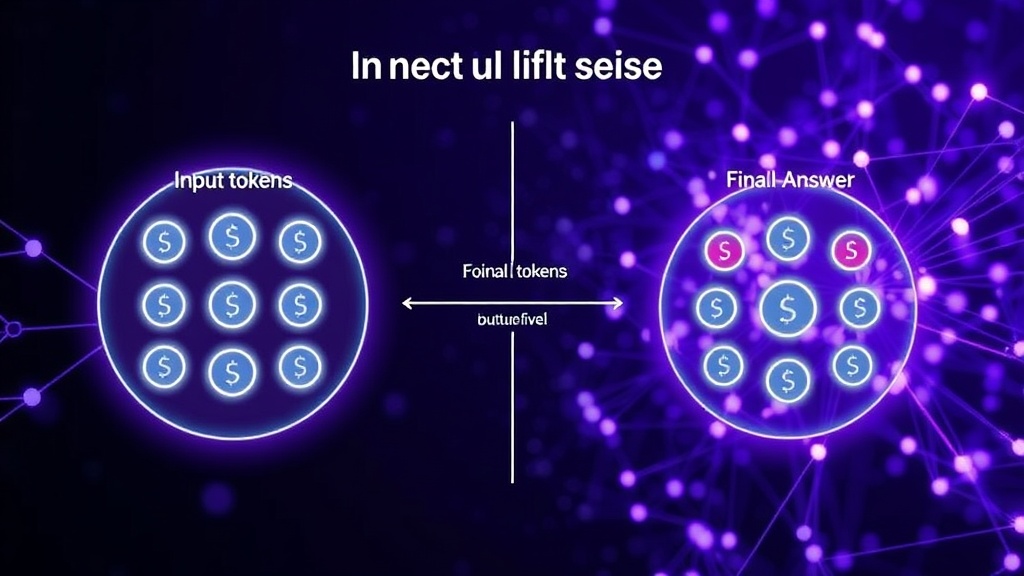
However, the billing for output tokens is where significant user dissatisfaction arises. A substantial portion, often 80-95%, of these output tokens are described by users not as the final, useful answer, but as the model's internal "thinking budget." This internal computation, the steps the model takes to arrive at a conclusion, is what users are being charged for, even though they may not directly see or care about the process itself. The core of the complaint is that users want to pay for the value they receive – the final, actionable output – rather than the opaque, internal processing that precedes it.
The "Trust-Me" Billing Problem
The most contentious aspect of this output token billing is the perceived lack of auditability. When providers obscure the vast majority of the output – the internal "thinking" – and charge per token for it, users feel they are subjected to a "trust-me" billing system. The AI provider dictates the computational "thinking" time and cost, profits directly from any extended processing, and has the ability to hide the evidence of this internal work. This creates an incentive structure where providers might benefit from longer, more complex internal computations, even if those don't directly translate to a more useful or concise final output for the user.
This model stands in stark contrast to traditional metered utilities. For instance, an electricity provider cannot simply bill a customer for an arbitrary amount of "thinking" electricity the meter supposedly consumed without providing verifiable data. The evidence of usage is typically transparent and verifiable. In the AI realm, however, the proprietary nature of LLM architectures and the black-box nature of their internal operations make it difficult, if not impossible, for users to independently verify the exact number of "thinking" tokens consumed. This opacity breeds suspicion and erodes user confidence in the fairness of the billing process.
Market Implications and Alternative Models
The current token-based billing for AI services, particularly the opaque aspects of output token usage, is increasingly becoming a point of friction for developers, researchers, and businesses relying on these technologies. As AI adoption scales, the cumulative cost of these opaque charges can become substantial, impacting budgets and return on investment calculations. This has led to a growing demand for more transparent and user-centric billing models.
Several alternative or supplementary models are being discussed and explored within the AI community. Some suggest a tiered approach where a certain amount of internal processing is bundled into the output cost, with additional charges only applying for exceptionally complex or extended computations. Others advocate for more granular reporting, providing users with detailed breakdowns of not just the final output tokens, but also metrics that offer insight into the model's reasoning process, even if not directly billed. Ultimately, the goal is to move towards a system that reflects the true value delivered to the user and fosters a more trusting relationship between AI providers and their customers. The current model, characterized by hidden costs and a lack of verifiability, is unsustainable as AI becomes an indispensable utility for a growing number of industries and individuals.