The Illusion of Static Approval
Consider a common scenario in AI-driven workflows: a user reviews a proposed action, like issuing refunds based on a set of identified orders. They examine the details – perhaps 12 orders totaling $430 – and click an "Approve" button. The system registers this approval. However, in the interim between the user's review and the system's execution of the action, the underlying data can change. The number of affected orders might jump to 19, and the total cost to $760. If the approval mechanism remains tied to the user's session, that initial green "Approve" button still signifies consent, even though the context it was based on is now obsolete. This is a critical flaw: treating user consent as a property of a temporary session rather than a reflection of specific, versioned evidence.
This disconnect creates a dangerous illusion of security. The user believes they approved a specific, quantified action. The system, however, might execute a vastly different action based on stale data. This isn't a minor bug; it's a fundamental misunderstanding of how AI-driven decisions, especially those involving financial or critical operations, should be authorized. The core problem lies in how systems manage state and evidence. When an AI proposes an action, it does so based on a snapshot of data – the "evidence." User approval should be a commitment to that specific snapshot, not a general authorization that persists irrespective of data drift.
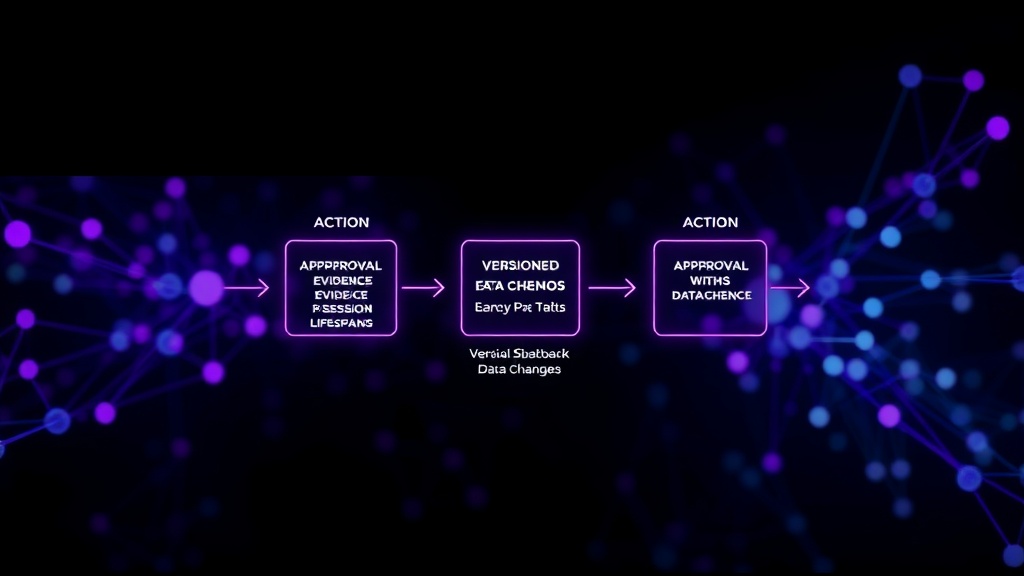
The fundamental principle here is that approval must be bound to a specific, versioned state of the evidence. When the AI system proposes an action, it should generate a unique identifier for the evidence package it used. User approval then attaches to this specific package. If the evidence package is updated – new orders are identified, new risks are flagged, new financial implications arise – the original approval becomes invalid. A new review and a new approval are required. This is akin to signing a contract based on a specific draft of a document; if the document is revised, the original signature doesn't automatically apply to the new version.
Versioning: The Key to Reliable AI Approvals
To address this, systems must implement robust versioning for both the evidence and the proposed actions. When an AI generates a plan, it should assign a unique identifier to the data snapshot it used. This could be a timestamped hash of the dataset, a specific revision ID from a data store, or a manifest of all included data points. Let's call this the evidence revision.
The proposed action itself should also be versioned, potentially as a specific plan revision. When a user approves, their consent is logged against a specific plan_id, a specific plan_revision, and crucially, a specific evidence_revision. The approval payload might look something like this:
plan_id: refund-batch-184
plan_revision: 7
evidence_revision: orders-snapshot-31
action: issue_refunds
scope: 12 orders
maximum_consequence: $430
approved_by: user@example.com
approval_timestamp: 2023-10-27T10:00:00Z
Before the system executes the `issue_refunds` action, it must re-verify that the current evidence state matches the `evidence_revision` associated with the approval. If the current number of orders has changed, or the total cost has shifted, the system should immediately invalidate the approval. The "Approve" button, or a similar confirmation mechanism, would need to be re-presented to the user, reflecting the updated data. This ensures that the action taken is precisely what the user authorized based on the information available at the time of their explicit consent.
The Danger of Stale Approvals
The implications of failing to implement such a system are severe. In financial applications, stale approvals can lead to overspending or underspending, causing significant financial discrepancies and potential regulatory issues. In security contexts, an approval based on outdated threat intelligence could lead to the misconfiguration of security policies, leaving systems vulnerable. For customer support, approving a refund based on a limited set of orders might lead to customer dissatisfaction when additional problematic orders are discovered later, or conversely, approving a larger-than-necessary refund.
The problem is exacerbated by the increasing complexity and speed of AI systems. Data can refresh in milliseconds, far faster than a human can react or re-evaluate. Relying on session-based approvals is effectively building a system that is inherently vulnerable to race conditions and data drift. It's like letting a ship captain approve a course based on a weather report from yesterday, without checking the current storm warnings. The captain's approval is valid for the information they had, but the ship's safety depends on the *current* conditions.
What is particularly concerning is that many systems might appear to function correctly most of the time. The data drift might be infrequent, or the changes might be minor, not triggering immediate, obvious errors. This makes the flaw insidious. Developers and product managers might not realize the latent risk until a critical incident occurs. The user interface might present a seamless experience, but beneath the surface, the system is operating on a shaky foundation of potentially invalidated consent.
Implementing a Robust Approval Mechanism
Building a system that handles AI approvals correctly requires a shift in architectural thinking. Instead of treating approval as a simple boolean flag within a user session, it must be treated as a first-class entity in the application's state management. This involves:
- Immutable Evidence Snapshots: When an AI generates a proposal, the underlying data used must be captured and versioned immutably. This snapshot becomes the definitive source for that specific proposal.
- Versioned Action Plans: Each proposed action derived from an evidence snapshot should also be versioned.
- Explicit Approval Binding: User approvals must explicitly link to both the plan version and the evidence version. This link should be stored persistently.
- Pre-execution Verification: Before any action is executed, the system must re-validate that the current, live data state is consistent with the evidence snapshot the approval was based on. If there's a mismatch, the execution must halt, and the approval must be invalidated.
- User Re-confirmation Prompt: Upon detecting a data mismatch, the system must prompt the user to review the updated evidence and re-approve the action. The UI should clearly indicate that the original approval is no longer valid due to data changes.
This approach ensures that user intent, as expressed through approval, is always aligned with the actual data driving the AI's decision. It transforms AI approvals from a potentially brittle session-based feature into a reliable, auditable process grounded in verifiable evidence.