The Problem: API Payments for Autonomous Agents
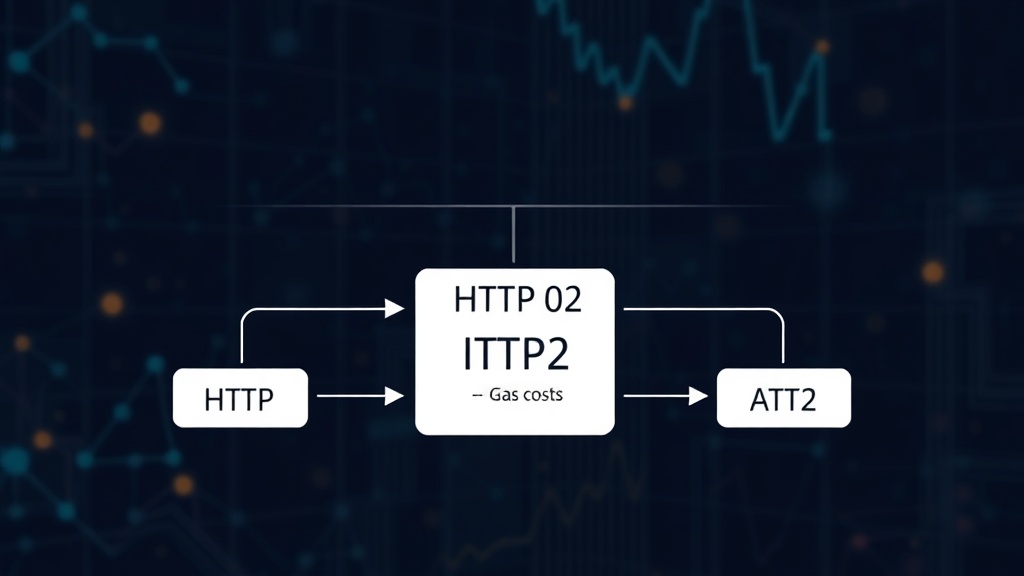
Autonomous AI agents, designed to perform tasks and interact with services on behalf of users, face a significant hurdle when it comes to paying for the APIs they rely on. Traditional API payment models, often based on HTTP 402 (Payment Required) codes, typically require an on-chain transaction for every single API call. This model, while functional for human-initiated, infrequent transactions, becomes a major bottleneck for AI agents that may need to make hundreds or thousands of calls in rapid succession.
Each on-chain transaction incurs gas fees, introduces latency due to block confirmation times, and necessitates a cryptographic signature for every interaction. For an AI agent operating autonomously, this process is prohibitively expensive, slow, and complex. The overhead of managing gas for each micro-transaction would quickly deplete any budget and significantly hinder the agent's ability to perform its intended functions efficiently. Imagine a digital assistant needing to fetch data for a report; if each data point required a separate blockchain transaction, the cost and time would be astronomical, rendering the agent impractical.
The Solution: Prepaid Balances and Gasless Transactions
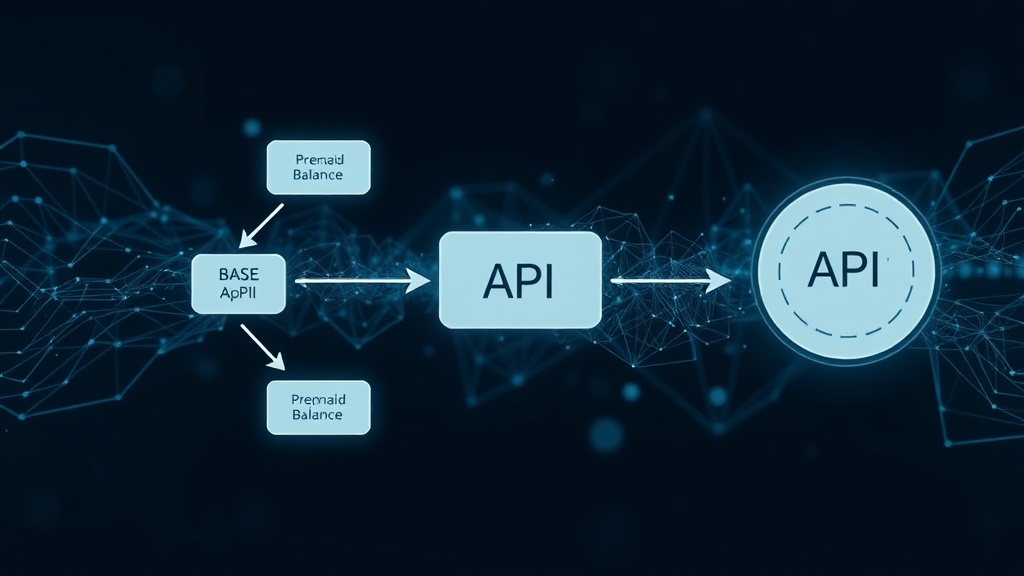
A new implementation of the x402 standard, available at x402.obolpay.xyz, addresses this fundamental challenge by introducing a prepaid balance mechanism. This system allows an AI agent to deposit a sum of cryptocurrency, specifically USDC on the Base chain in this instance, into a smart contract once. Following this initial deposit, the agent can then make subsequent API calls by presenting an off-chain signed voucher. This voucher acts as proof of payment without requiring a new on-chain transaction for every call.
The core innovation lies in decoupling the payment authorization from the on-chain transaction itself. The agent's initial deposit creates a balance, akin to topping up a prepaid phone card. When the agent needs to access an API that supports this x402 implementation, it sends a request along with a signed message that essentially says, "I authorize a payment of X from my prepaid balance for this API call." The API provider verifies this signature and the remaining balance off-chain, granting access instantly and without incurring gas fees for the agent. This drastically reduces both the cost and latency associated with API usage for autonomous systems.
How it Works: Technical Implementation on Base
The system leverages the Base blockchain, a Layer 2 scaling solution for Ethereum, known for its low transaction fees and fast confirmation times. The use of USDC, a stablecoin pegged to the US dollar, ensures predictable transaction costs for API providers and consumers alike.
The process begins with an agent discovering the API's pricing and terms. This is facilitated by an endpoint, for example, `/.well-known/x402`, which returns the API's pricing structure, supported payment methods, and other relevant metadata. An agent can query this endpoint using standard HTTP requests to understand the cost per API call or per unit of data.
Once the agent has determined the cost and wishes to proceed, it first needs to fund its account with the API provider. This involves a one-time on-chain transaction where the agent deposits USDC into the x402 contract. After the deposit is confirmed, the agent's balance is updated. Subsequent API requests are then made with a signed message, often referred to as a voucher or attestation, which is generated off-chain. This signed message contains details of the API call, the amount to be deducted from the prepaid balance, and a nonce to prevent replay attacks. The API provider's server verifies the signature against a pre-shared public key or a smart contract that tracks authorized agents and their balances. If the signature is valid and sufficient funds are available, the API call is processed immediately, and the agent's balance is debited off-chain.
Benefits for AI Agents and API Providers
The implications of this gasless, prepaid model are significant for the burgeoning field of AI agents. For developers building these agents, it removes a major barrier to integrating with external services. Agents can now reliably and affordably access a vast array of data sources and APIs, enabling them to perform more complex and valuable tasks. This is particularly crucial for agents that operate in real-time or require continuous data streams, where per-call gas fees would be prohibitive. The ability to make hundreds or thousands of calls without individual on-chain transactions means agents can be more responsive, more capable, and ultimately, more useful.
For API providers, this model offers a new way to monetize their services for AI-driven applications. It allows them to capture revenue from the increasing demand for programmatic data access by autonomous systems. By reducing the friction associated with payments, providers can attract more AI agent integrations. The prepaid nature of the system also provides predictable revenue streams. Furthermore, off-chain signing and verification can potentially reduce the load on the blockchain, as only the initial deposit and any balance top-ups require on-chain settlement.
The Future of Autonomous API Consumption
This implementation of x402 on Base represents a critical step toward enabling truly autonomous AI agents. By abstracting away the complexities and costs of individual on-chain transactions, it paves the way for agents that can seamlessly interact with the digital economy. As AI agents become more sophisticated and capable, the need for efficient, scalable, and cost-effective payment mechanisms for API consumption will only grow. This prepaid, gasless model is a strong candidate to become a standard for how AI agents pay for the services they use, fostering a more robust and interconnected ecosystem of artificial intelligence and decentralized applications.
What remains to be seen is the broader adoption of this x402 standard across different blockchains and payment methods. While Base and USDC are a strong starting point, a truly universal system would need to accommodate various Layer 2s, Layer 1s, and diverse digital assets. The success of this model could also spur further innovation in zero-knowledge proofs or other privacy-preserving technologies for even more streamlined and secure off-chain payment attestations.