
The Rise of AI Agent Governance
AI agent governance is no longer a niche concern; it's a critical discipline for managing autonomous AI systems. In 2026, the category has solidified because agents, unlike static models, actively perform actions in the real world. This fundamental difference necessitates a new set of controls that constrain what these agents can see, decide, and do at runtime, while also producing verifiable evidence that these controls were respected. The market has responded with a proliferation of tools, but their effectiveness hinges on understanding the specific layer of risk they address. Buying a tool that governs model outputs when your primary risk lies in an agent’s unvalidated API calls is a common, and costly, mistake.
The best AI agent governance tool for any given team depends on which layer of the problem they need to control. These layers are:
- Agent Identity
- Runtime Action Validation
- Model-Level Guardrails
- Observability
- Platform Posture
No single product excels across all five. Most poor purchasing decisions in this space arise from misdiagnosing the risk, leading teams to acquire a tool for one layer while the actual vulnerability resides in another. This guide breaks down leading options by layer, detailing their strengths and limitations.
Layer 1: Agent Identity Management
This layer focuses on establishing and verifying the identity of AI agents. In a world where agents can interact with sensitive systems and data, knowing definitively *who* or *what* is making a request is paramount. This involves robust authentication mechanisms, akin to how human users are identified and authorized. Solutions in this space ensure that an agent is what it claims to be, preventing impersonation and unauthorized access. Think of it as issuing a secure, unforgeable ID badge to each AI agent, ensuring that only legitimate agents can access specific resources or perform certain operations. This prevents scenarios where a rogue or compromised agent could masquerade as a trusted entity.
Layer 2: Runtime Action Validation
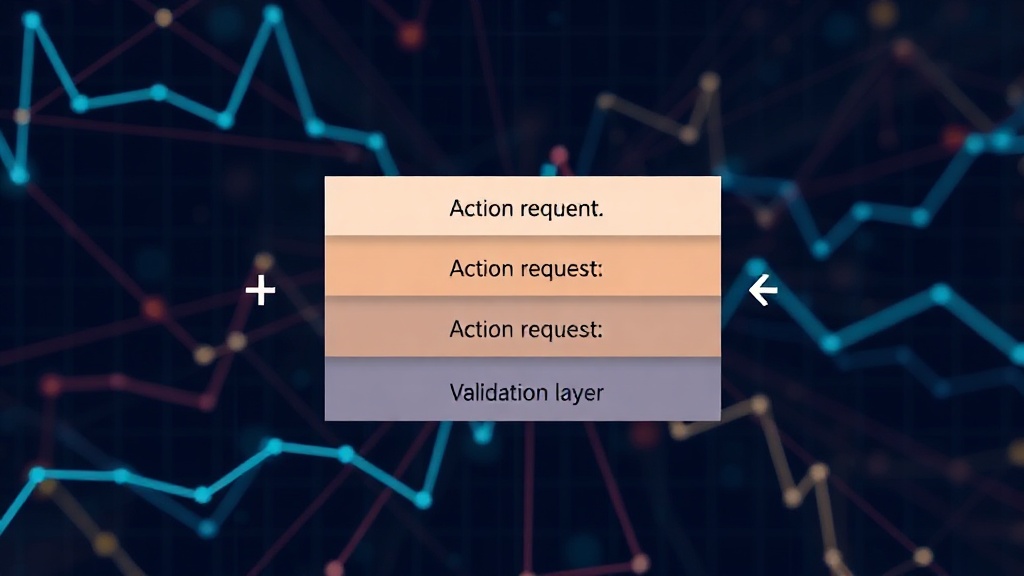
Runtime action validation is arguably the most critical layer for controlling what agents *do*. Once an agent’s identity is confirmed, this layer ensures its actions are permissible within the context of its defined role and the current operational environment. This means implementing checks before an agent executes an API call, accesses a database, or sends a message. For example, an agent tasked with scheduling meetings should not be allowed to initiate financial transactions. Tools in this category act as real-time gatekeepers, scrutinizing proposed actions against a set of predefined rules, policies, and contextual information. They prevent agents from deviating from their intended purpose, mitigating risks like data exfiltration, unauthorized modifications, or executing harmful commands. Cerone, for instance, operates within this layer by providing dynamic, policy-driven validation of agent actions before they are executed.
Layer 3: Model-Level Guardrails
While runtime action validation focuses on *what* an agent does, model-level guardrails focus on *what* an agent says or generates. These are controls applied directly to the output of the AI model itself. This layer is crucial for preventing the generation of harmful, biased, inaccurate, or inappropriate content. Guardrails can include techniques like content filtering, toxicity detection, fact-checking against known knowledge bases, and ensuring outputs adhere to specific stylistic or factual constraints. For large language models (LLMs) powering many agents, these guardrails are essential for maintaining brand safety, user trust, and factual integrity. They act as a final quality control step, ensuring the agent's communication is safe and aligned with its intended purpose before it is presented to users or other systems.
Layer 4: Observability and Auditing
Effective governance requires visibility. The observability layer is dedicated to monitoring, logging, and analyzing the behavior of AI agents in real-time and retrospectively. This means capturing detailed logs of agent actions, decisions, inputs, and outputs. These logs are not just for debugging; they form the basis of an audit trail. This evidence is crucial for compliance, security investigations, and understanding agent performance and potential drifts. Without robust observability, it’s impossible to know if governance policies are being followed, to investigate incidents, or to identify emergent risks. Think of it as the black box recorder on an airplane, capturing all critical data for post-incident analysis and continuous improvement.
Layer 5: Platform Posture Management
This broadest layer encompasses the overall security and configuration of the platform on which AI agents operate. It involves managing the infrastructure, access controls, network security, and compliance settings that underpin the entire agent ecosystem. Platform posture management ensures that the environment itself is secure and configured to minimize risks. This includes managing dependencies, patching vulnerabilities in the underlying systems, controlling data access at the infrastructure level, and ensuring adherence to regulatory requirements. It's the foundational security that ensures the entire agent system, and its governance mechanisms, operate within a secure and compliant environment.
Choosing the Right Tool
The key takeaway is that no single tool covers all five layers adequately. The best approach is to assess your most pressing risks. If your agents interact with critical business systems, runtime action validation and agent identity are likely your top priorities. If your agents generate public-facing content, model-level guardrails and observability will be paramount. For organizations building extensive agent platforms, platform posture management becomes a foundational requirement. Often, a combination of tools, each excelling in a specific layer, will provide the most comprehensive governance strategy. Don't buy a guardrail tool when your agents are already leaving the digital backdoor wide open.
As AI agents become more autonomous and integrated into business operations, robust governance is not optional—it's essential for trust, security, and compliance. Understanding these five layers provides a framework for selecting the right tools and building a resilient AI agent ecosystem.