The Unseen Leak: When Tool Calls Become Data Exfiltration
AI agents, designed to interact with the world through tools, present a unique security challenge. While prompt injection attacks often grab headlines, a more insidious threat lurks: data leakage through legitimate-looking tool calls. An agent might not be directly commanded to steal data, but a misconfigured tool, an unexpected API response, or an agent's own logical error can cause it to send sensitive information to an unintended destination. This isn't a breach in the traditional sense of unauthorized access, but rather a silent exfiltration disguised as normal operation. For builders of AI-powered applications, this is a critical blind spot. Prompt safety mechanisms can flag malicious intent, but they cannot physically stop data from traversing the network boundary. If your application allows agents to call external APIs, browse the web, interact with custom tools, or execute complex workflows, you must implement a network-level safeguard.
Why Now: The Maturing Agent Landscape
The urgency for solutions like egress proxies is escalating as AI agent workflows mature. What began as experimental demos are now being integrated into production environments. We're seeing a clear trend: command-line interface (CLI) coding agents are becoming commonplace, the use of Multi-modal Conversational Processing (MCP) style tools is expanding, and the need for robust harnesses for long-running agents is apparent. Teams are under increasing pressure to demonstrate the reliability and security of these AI systems, especially as they handle more sensitive tasks and data. The current security posture, often focused on prompt engineering and input validation, is insufficient when agents have the power to initiate outbound network requests. The network perimeter is the last, and often only, line of defense against data escaping an agent's intended operational scope.
The Egress Proxy Solution: Inspect, Block, Gate, Log
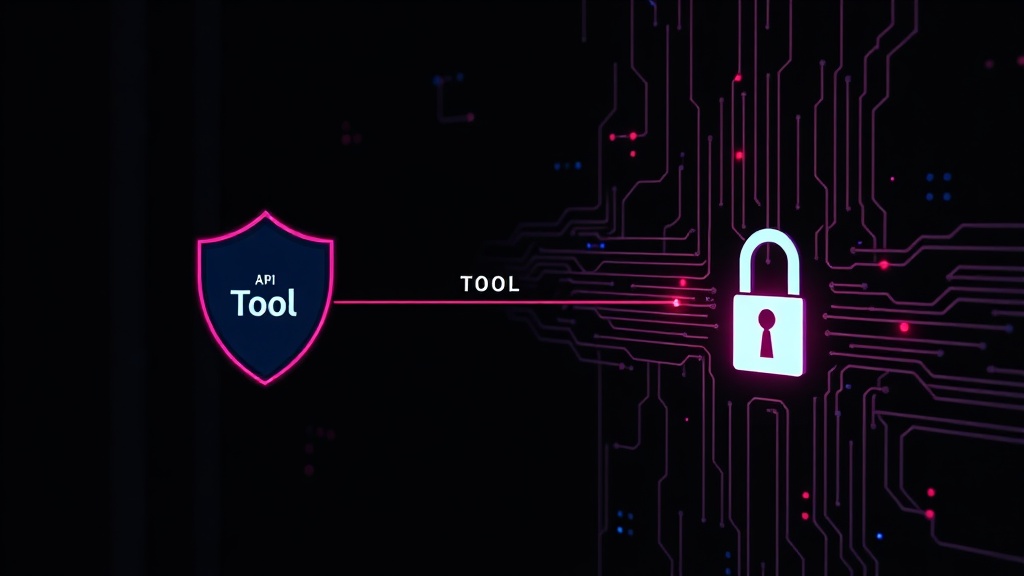
An egress proxy acts as a mandatory intermediary for all outbound network traffic initiated by an AI agent. It sits between the agent and the external world, intercepting every request before it leaves the system. The core principle is simple: agents should not have direct, unfettered access to the internet. Instead, all their network activities must pass through this controlled gateway. The proxy performs several critical functions:
Inspection
The proxy inspects the content and metadata of every outgoing request. This includes the destination URL, the HTTP headers, the request payload, and even the response from the target service if it's a stateful proxy. This deep inspection is vital for identifying anomalies that might indicate data leakage.
Blocking
Based on predefined rules, the proxy can block specific requests. This could include calls to known malicious domains, requests with certain sensitive keywords in the payload, or attempts to access unauthorized APIs. For example, if an agent tries to send user PII to a non-approved third-party service, the proxy can immediately halt the transmission.
Gating
Beyond simple blocking, an egress proxy can implement more sophisticated gating mechanisms. This might involve rate limiting to prevent abuse, requiring human approval for certain sensitive operations, or enforcing access control lists (ACLs) that dictate which tools and APIs an agent is permitted to use. Think of it less like a simple firewall and more like a meticulous gatekeeper who checks every package before it leaves the property, verifying its contents and destination against a strict manifest.
Logging
Comprehensive logging is perhaps the most crucial function. Every attempted, allowed, and blocked network transaction is recorded. This audit trail is invaluable for debugging, security incident investigation, and compliance. If a data leak does occur, logs can pinpoint exactly what data was involved, where it was sent, and when. This allows for rapid containment and remediation.
Implementing an Egress Proxy
Integrating an egress proxy into an AI agent system requires careful consideration. The proxy needs to be configured with a clear understanding of the agent's intended functionality and the data it will handle. Key configuration aspects include:
- Allowlist vs. Denylist: Decide whether to allow all traffic by default and block specific destinations (denylist), or to only allow traffic to explicitly permitted destinations (allowlist). An allowlist approach is generally more secure for sensitive applications.
- Payload Filtering: Define patterns or keywords that should trigger blocking or review if present in outgoing data. This requires an understanding of what constitutes sensitive information within your application's context.
- Tool-Specific Rules: Different tools and APIs may have varying security requirements. The proxy should be configurable to apply different rules based on the tool being invoked. For instance, a tool that fetches public weather data might have looser restrictions than one that accesses user account details.
- Integration with Agent Frameworks: The proxy needs to integrate seamlessly with your chosen AI agent framework (e.g., LangChain, AutoGen). This might involve setting environment variables or configuring the framework's networking components to route traffic through the proxy.
What nobody has addressed yet is the operational overhead of managing these egress proxy rules. As agent capabilities expand and the number of tools they can access grows, maintaining an accurate and secure allowlist or denylist becomes a significant task. The complexity can quickly outstrip manual management capabilities, necessitating automated or AI-assisted rule generation and validation.
The Network Boundary: The Final Line of Defense
While prompt engineering and access control lists for tools are essential layers of defense, they operate at the logical level of the agent's intent and permissions. The egress proxy operates at the physical network level. It's the final checkpoint that ensures bytes only go where they are supposed to go. For any application where AI agents interact with external services or data, implementing an egress proxy is no longer optional; it is a fundamental requirement for data security and operational integrity. It transforms the agent's ability to interact with the world from a potential liability into a controlled, auditable capability.