The Shifting Landscape of AI Creation
The barrier to entry for creating sophisticated AI agents is rapidly diminishing. Tools powered by large language models (LLMs) like Claude and similar platforms are making it increasingly feasible for individuals, including minors, to develop functional AI agents. This ease of access, while democratizing technology, introduces a novel set of considerations regarding age verification and appropriate usage safeguards. Currently, many platforms rely on basic email verification, a system easily circumvented by younger users. This raises a critical question: should there be a more robust age gating mechanism for certain AI creation capabilities?
The argument for stricter verification centers on potential misuse or unintended consequences. While a 15-year-old developing a Software-as-a-Service (SaaS) or a helpful agent is commendable, the same tools could theoretically be used for less constructive purposes. The current verification methods, often limited to email addresses, offer little assurance of the user's age or maturity. Payment card verification, sometimes cited as a solution, is also not foolproof, as cards can be borrowed or shared.
This lack of stringent age verification for advanced AI creation tools stands in contrast to other digital platforms that cater to younger audiences. Many social media sites and gaming platforms have implemented age gates, though their effectiveness is often debated. The unique aspect here is not just consumption of AI-powered content, but active creation and deployment of AI agents, which carry different implications.
The Case for Enhanced Verification
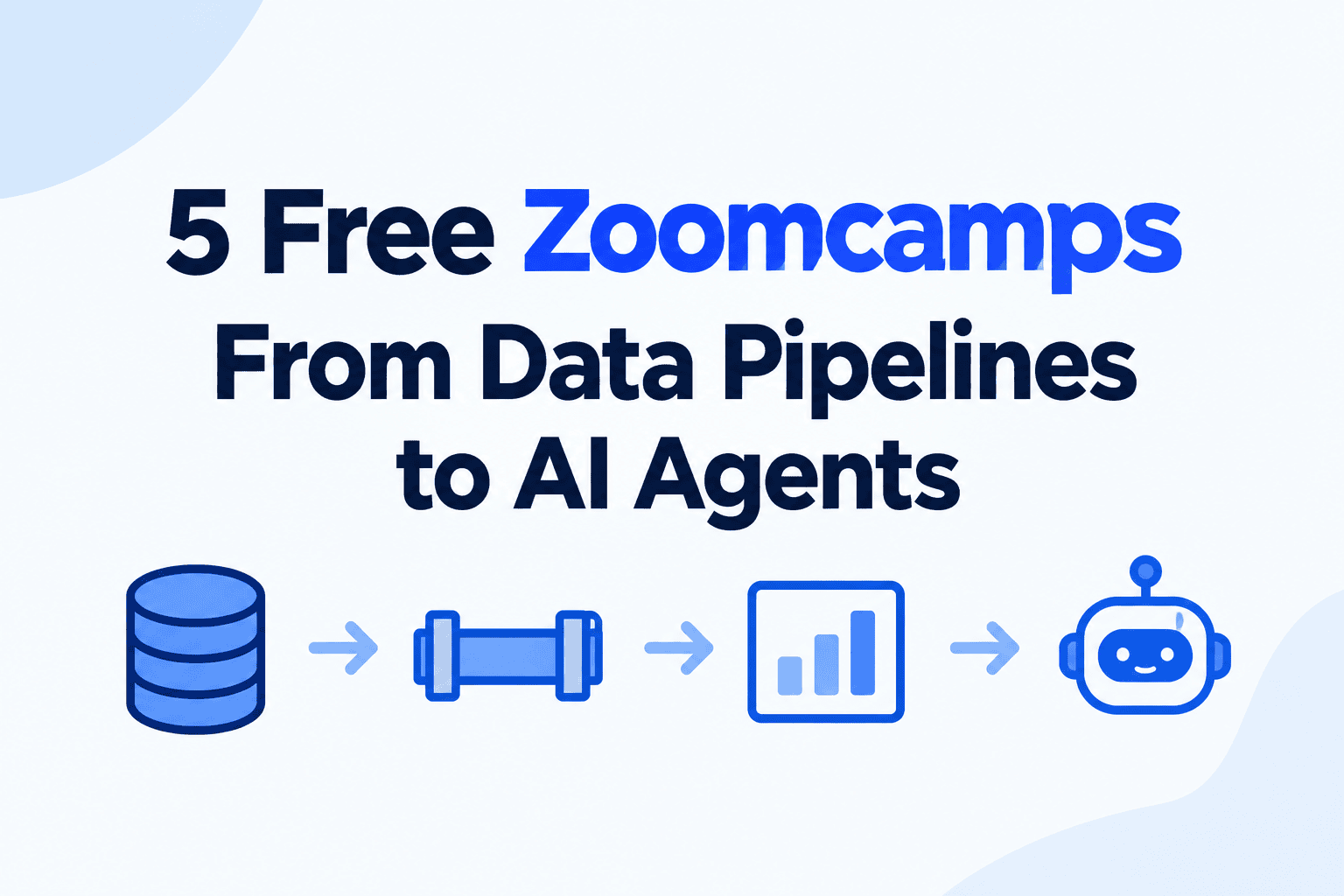
The core of the debate lies in balancing accessibility with responsibility. On one hand, early exposure to AI development can foster innovation and digital literacy. Platforms offering free, hands-on workshops, such as those covering data pipelines, machine learning, and AI agents, are invaluable resources for aspiring developers, regardless of age. These programs, like the free Zoomcamps mentioned, provide practical lessons, homework, and community support, encouraging a positive learning environment.
However, the ease with which minors can potentially create and deploy AI agents necessitates a discussion about what safeguards are appropriate. Consider the analogy of driving a car: while learning is essential, there are age restrictions, licensing requirements, and supervised practice periods. For AI agents, especially those capable of complex interactions or data processing, a similar graduated approach might warrant consideration. Should AI development platforms implement more rigorous Know Your Customer (KYC) or age verification processes for accessing certain advanced functionalities?
The potential benefits of such verification could include preventing minors from accidentally or intentionally creating harmful AI, ensuring they understand the ethical implications of AI deployment, and protecting them from potentially inappropriate content or interactions facilitated by AI agents they might build. The challenge, of course, is defining what constitutes 'certain AI agent capabilities' that require this heightened scrutiny. Is it the complexity of the code, the potential for autonomous action, or the type of data the agent can access or process?

Unintended Consequences and Friction
Conversely, introducing mandatory age verification for AI creation tools could erect significant barriers. For ambitious young developers, it might stifle creativity and delay their entry into the field. The current system, while imperfect, allows for experimentation and rapid prototyping. Adding layers of KYC or age verification could introduce unnecessary friction, making it harder for legitimate young users to access tools that could foster their technical skills and future careers.
Furthermore, the logistics of implementing and enforcing such verification systems are complex. How would these systems accurately verify age without being overly intrusive or creating new privacy risks? Relying on government IDs, for instance, raises data security concerns. The potential for false positives and negatives in age verification could also lead to legitimate users being blocked or vulnerable users gaining access.
The debate also touches upon the broader societal approach to AI regulation. While some advocate for proactive measures, others believe in a more laissez-faire approach, allowing the technology to develop and addressing issues as they arise. The current situation with AI agent creation for minors exists in a regulatory gray area. The ease with which tools like Claude can be used to build agents means that the question of whether to regulate this specific access point for minors is no longer theoretical, but an immediate practical concern for platform providers and policymakers alike.
The Path Forward: Balancing Innovation and Protection
Ultimately, the question of regulating AI agent creation for minors is complex, with valid arguments on both sides. While the current accessibility fosters innovation and learning, the potential for misuse or unintended harm cannot be ignored. The success of free educational programs in AI highlights the demand and potential for young minds to engage with this technology constructively. However, the lack of robust age verification mechanisms leaves a gap in safeguarding minors in this rapidly evolving digital landscape.
What remains unanswered is how to strike the right balance. Can platforms implement tiered access based on verified age, offering basic tools freely while requiring verification for more advanced agent-building capabilities? Or does the inherent nature of AI development make such segmentation impractical and ultimately detrimental to fostering the next generation of AI talent? The industry must grapple with these questions to ensure AI development remains both accessible and responsible.