AI-Powered NOC Ticket Triage Achieved in a Single Shift
The repetitive nature of Network Operations Center (NOC) ticket queues often buries valuable engineering time in mundane tasks. These can include duplicate reports, tickets needing simple categorization, or basic connection diagnostics. Recognizing this, one team leveraged the OpenCode agent to automate a significant portion of this workload. The solution, developed and deployed within a single shift, aims to free up engineers from routine ticket management.
The core of the system relies on OpenCode's agent framework, where individual tasks are encapsulated in distinct skill files. An AGENTS.md file orchestrates the entire workflow. Upon receiving a new ticket via webhook, the system implements a 60-second delay. This brief pause allows for batching of incoming tickets, preventing redundant processing of similar issues that might arrive in quick succession. Once batched, the tickets are passed to an OpenCode agent running in non-interactive mode. The agent's first task is to check for duplicate entries within the batch, a common time-sink in manual triage.
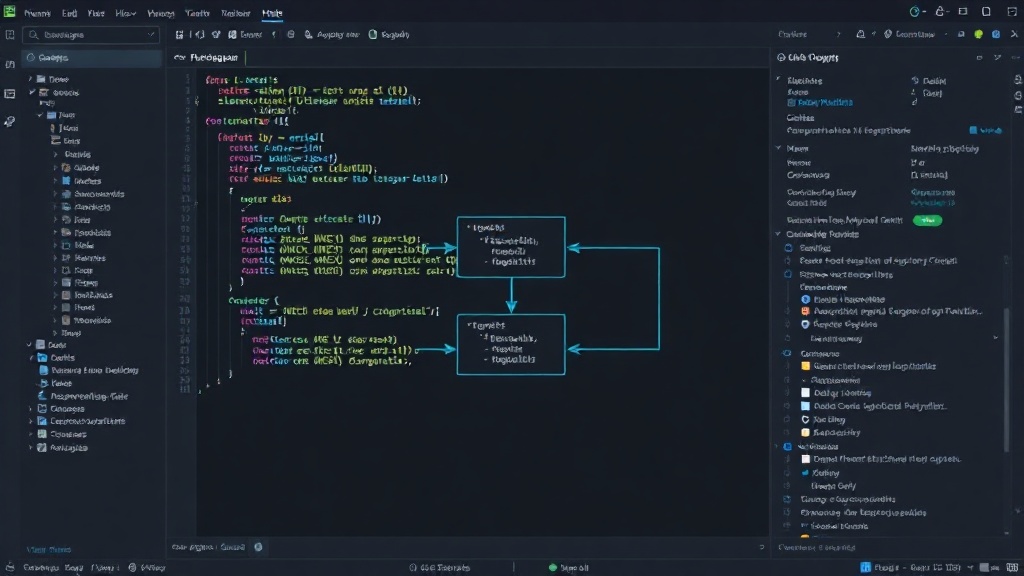
This approach automates the initial filtering and organization, allowing human operators to focus on tickets that genuinely require judgment and complex problem-solving. The efficiency gain comes from offloading the predictable, low-complexity tasks to an autonomous agent, thereby streamlining the overall NOC operational pipeline.
The Silent Killer: Postgres Row-Level Security and Idle AI Agents
While one team celebrated rapid AI deployment, another encountered a subtle but critical failure mode in their autonomous system, ARIA, at Elevare Digital. The issue stemmed from PostgreSQL's Row-Level Security (RLS) policies. RLS is designed to restrict data access based on user roles or other conditions. However, when RLS blocks a query, PostgreSQL does not return an error; instead, it simply returns zero rows. This behavior, while intended for security, created a blind spot for ARIA's orchestrator.
ARIA polls a work queue table to identify pending jobs. The expected workflow involved querying for pending jobs, processing them, and marking them as complete. The problem arose when an RLS policy silently prevented ARIA's orchestrator from reading any jobs from the queue. To the orchestrator, a query returning zero rows looked identical to a genuinely empty queue. It received no exception, no warning, and no non-200 HTTP status code. Consequently, the agent correctly concluded there was no work to do and went back to sleep, while the actual work queue remained full and unprocessed.
This situation highlighted a critical flaw in relying solely on the absence of errors to determine agent status. A healthy heartbeat on an idle agent provides no assurance that the idleness is genuine or that the system is functioning correctly. The agent was technically 'working' by polling, but it was effectively blind to its actual workload due to the silent filtering of RLS.
The Fix: Verifying Readability, Not Just Attempting Reads
The solution to this silent failure mode involves a shift in how the system interprets an empty queue. Instead of treating an empty read as a definitive answer, it must be treated as a question requiring further verification. The team at Elevare Digital implemented a "canary count" mechanism. This involves adding a secondary, lightweight check that verifies not just that a read was attempted, but that the read *could* have succeeded under normal circumstances.
This canary count acts as a sanity check. If the primary query for pending jobs returns zero rows, the system then executes a separate, minimal query specifically designed to test the RLS policy's passability. This secondary query might, for instance, attempt to count a small, known subset of data or a system status row that should always be visible if RLS is not actively blocking access. If this canary count also returns zero or indicates a blocked read, it signals a problem with RLS or the data access layer, rather than a genuinely empty queue.
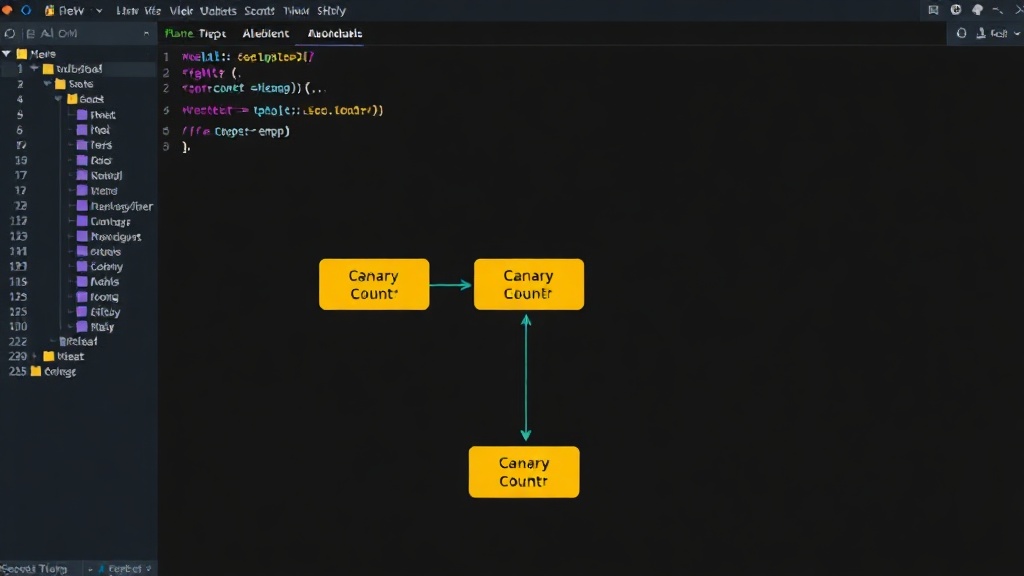
By treating an empty read as a potential indicator of a problem rather than a confirmation of no work, the system can now distinguish between a truly idle state and a state where data access is being silently blocked. This ensures that jobs do not pile up unnoticed, maintaining the operational integrity of autonomous systems like ARIA. The core principle is to add a layer of validation that confirms the system's ability to *see* the work, not just its *attempt* to see it.
Broader Implications for Autonomous Systems
The contrasting experiences of these two teams underscore critical considerations for anyone deploying autonomous AI agents, particularly those interacting with databases and complex workflows. The rapid development of AI agents for task automation, as demonstrated by the OpenCode implementation, offers significant potential for efficiency gains. However, the ARIA incident serves as a stark reminder that robust error handling and state verification are paramount. Silent failures, especially those originating from security mechanisms, can be far more insidious than overt errors. Developers must design agents that not only execute tasks but also actively monitor their environment for unexpected conditions, treating apparent inactivity with suspicion until proven otherwise. The difference between an agent that works and one that fails silently can be the difference between an efficient operation and a stalled one.