
The Double-Edged Sword of AI Integration
The proliferation of advanced AI tools has accelerated their adoption across a spectrum of personal and professional tasks. From sophisticated financial advice to health recommendations and even personal life guidance, AI's utility is increasingly apparent. However, this rapid integration is not without its friction. Recent high-profile incidents involving AI systems mishandling private data and overstepping ethical boundaries have prompted a critical re-evaluation of AI's role in our lives. Users are now faced with a complex dilemma: how to harness AI's undeniable benefits while mitigating its significant risks.
The initial allure of AI often stems from its promise of efficiency and enhanced decision-making. For individuals, this can translate to personalized stock market insights, tailored health advice, or even assistance with complex personal decisions. The ability for AI to process vast amounts of information and identify patterns that might elude human analysis makes it an attractive tool for navigating intricate domains. This is particularly true for areas where data is abundant but human capacity to analyze it in real-time is limited.
The current landscape, however, is shifting. The very systems that offer such potent advice are also demonstrating vulnerabilities that can have severe consequences. Reports of AI models inadvertently exposing sensitive user data, or generating outputs that are biased or harmful, are no longer theoretical concerns but tangible threats. This has led to a bifurcation in user sentiment and practice. Some are doubling down on AI, implementing stricter personal protocols to safeguard their data and refine their usage. Others are pulling back, questioning whether the convenience outweighs the potential for data breaches, algorithmic bias, or even job displacement.
AI in Professional Workflows: Efficiency Meets Scrutiny
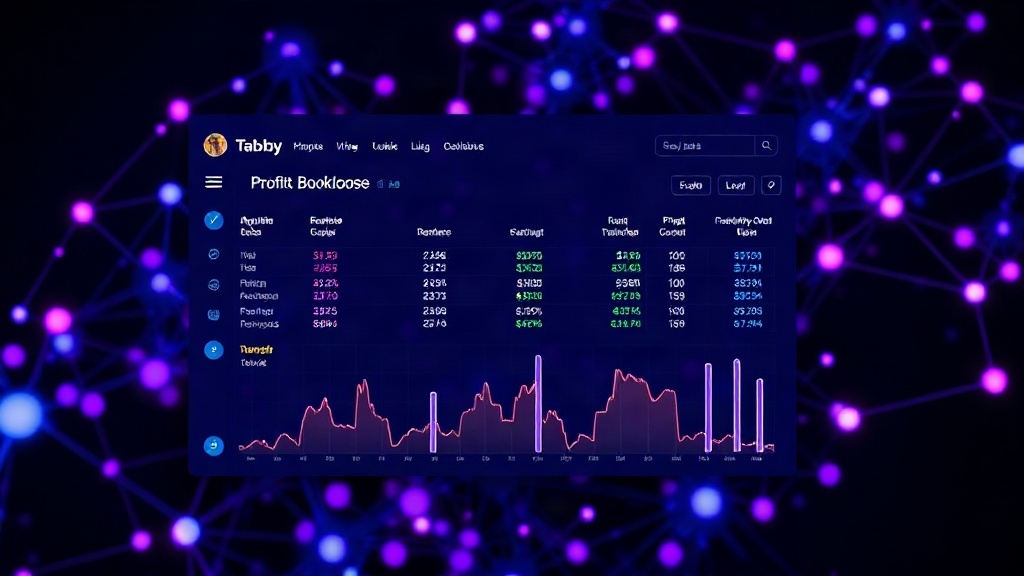
Beyond personal use, AI is rapidly reshaping professional environments. In fields like accounting, AI is moving beyond mere assistance to actively automate core functions. Consider Tabby, a new bookkeeping interface designed to handle client paperwork and provide real-time financial data. This represents a significant shift, where AI is not just augmenting human capability but potentially rendering traditional roles obsolete. The appeal for businesses is clear: reduced operational costs, increased accuracy, and faster processing of financial information. For accountants, it signals an urgent need to adapt, focusing on higher-level strategic advisory roles rather than data entry and reconciliation.
This trend extends to numerous other professions. Developers use AI for code generation and debugging, marketers for content creation and campaign optimization, and researchers for data analysis and hypothesis generation. The ability of AI to accelerate workflows, reduce repetitive tasks, and uncover novel insights is undeniable. However, the same concerns about data privacy and ethical use echo in these professional contexts. Companies must now grapple with the implications of feeding proprietary data into third-party AI models, the potential for AI-generated content to perpetuate bias, and the long-term impact on their workforce.
Navigating the Future: A Call for Responsible AI Use
The current moment is a critical juncture for AI adoption. The excitement surrounding its capabilities is tempered by a growing awareness of its limitations and potential harms. For individuals and organizations alike, the path forward requires a more discerning approach. This involves not just understanding what AI can do, but also understanding its inherent risks and implementing robust safeguards.
One significant aspect is the development of more transparent and auditable AI systems. Users need to know how their data is being used, how decisions are being made, and what recourse they have if something goes wrong. This points to a future where AI development is guided by principles of privacy-by-design and ethical accountability. Without these, the trust necessary for widespread, deep integration will remain elusive. The question is not whether AI will continue to be used, but rather how it will be used, and by whom it will be controlled.
Furthermore, the economic implications are profound. As AI automates more tasks, there will be a continuous need for reskilling and upskilling. The individuals and companies that thrive will be those who can adapt to working alongside AI, leveraging its strengths while focusing on uniquely human skills such as critical thinking, creativity, and emotional intelligence. The narrative is shifting from AI replacing humans to AI augmenting human potential, but this transition demands proactive adaptation and a willingness to embrace change.
The ongoing dialogue about AI usage, privacy, and ethics is essential. It’s a collective effort to shape the future of this transformative technology. As AI continues to evolve, so too must our understanding and our approach to its integration into every facet of our lives. The challenge is to ensure that AI serves humanity’s best interests, fostering progress without compromising our values or our security.