Agnost AI Automates Feedback Extraction from Agent Conversations
Agnost AI, a new startup backed by Y Combinator's S26 batch, today launched its platform designed to automatically extract valuable user feedback from customer service interactions. The service aims to solve a pervasive problem for product teams: the manual, time-consuming, and often incomplete process of sifting through call transcripts, chat logs, and support tickets to identify recurring issues, feature requests, and customer sentiment.
Traditionally, product managers and UX researchers spend countless hours reviewing qualitative data. This manual approach is not only a drain on resources but also prone to human error and bias. Agnost AI proposes an automated solution, leveraging natural language processing (NLP) and machine learning to process these conversations at scale, transforming raw dialogue into structured, actionable insights. The platform is built to integrate with existing customer support tools, allowing for a seamless workflow without requiring significant changes to a company's operational infrastructure.
The core of Agnost AI's offering lies in its ability to identify and categorize specific types of feedback. This includes bug reports, feature requests, usability issues, and general sentiment analysis. By processing conversations, the AI can detect patterns and trends that might be missed by human reviewers, providing product teams with a clearer, data-driven understanding of their users' needs and pain points. This allows for more informed product development decisions, faster iteration cycles, and ultimately, a better user experience.
The Challenge of Manual Feedback Analysis
Consider a typical scenario for a growing SaaS company. Customer support agents handle hundreds, if not thousands, of interactions daily across various channels like email, chat, and phone calls. Each conversation is a potential goldmine of information about what users love, what they struggle with, and what they wish the product could do. However, collecting and synthesizing this feedback manually is a monumental task. A product team might assign someone to listen to call recordings or read through chat logs, tagging keywords and themes. This process is inherently subjective, time-consuming, and limited by the reviewer's capacity and focus. Important signals can easily get lost in the noise, leading to missed opportunities for product improvement or delayed responses to critical user issues.
This manual approach is akin to trying to find a specific needle in a haystack by hand. While diligent, it's inefficient and often misses other valuable metallic objects scattered throughout. Agnost AI aims to replace this manual labor with an intelligent system that can efficiently scan the entire haystack, identify all the needles, and even sort them by size and type.
How Agnost AI Works
Agnost AI's platform integrates with popular customer support software, including CRMs and helpdesk solutions, to access conversation data. Once connected, the system employs sophisticated NLP models to analyze the text and audio of these interactions. The AI is trained to recognize specific intents and entities within the conversation that indicate user feedback. For instance, it can differentiate between a user asking a how-to question and a user expressing frustration about a specific feature's lack of functionality.
Key functionalities include:
- Automated Tagging: Conversations are automatically tagged with relevant themes such as 'bug report,' 'feature request,' 'usability issue,' 'pricing feedback,' and 'customer satisfaction.'
- Sentiment Analysis: The platform gauges the emotional tone of the feedback, helping teams prioritize issues based on user frustration levels.
- Trend Identification: Agnost AI surfaces recurring themes and patterns, highlighting the most common pain points or desired features across a large volume of interactions.
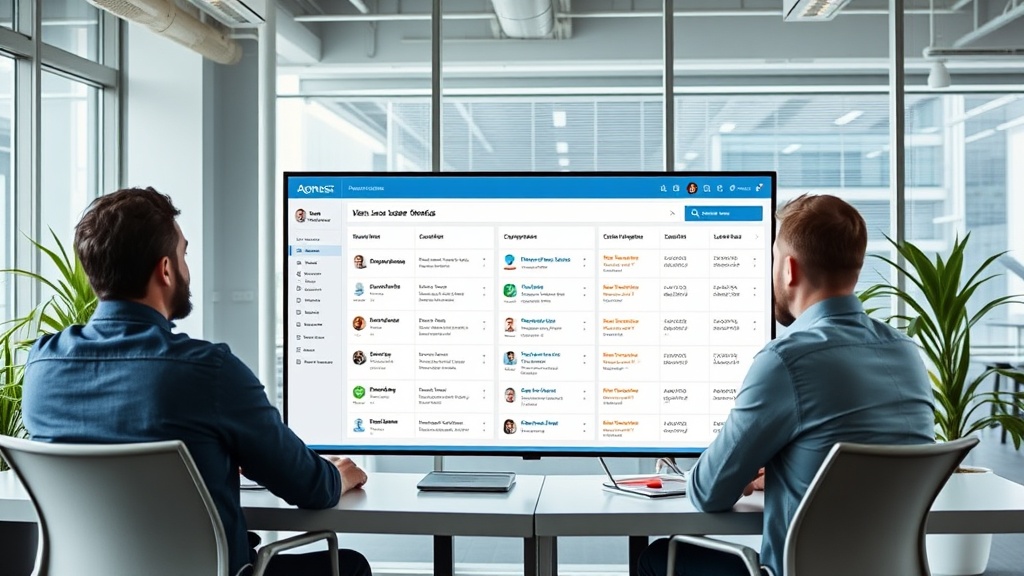
- Actionable Insights Dashboard: A centralized dashboard presents the extracted feedback in a digestible format, allowing product managers to easily review, filter, and act upon the insights.
The surprising detail here is not the sophistication of the AI models themselves, which are rapidly advancing, but the direct focus on the *actionability* of the extracted feedback. Many NLP tools can perform sentiment analysis or topic modeling, but Agnost AI's emphasis is on translating raw data into clear, prioritized product development tasks. This focus addresses a critical gap where raw data is collected but never effectively utilized.
The Broader Impact on Product Development
For product teams, the implications of Agnost AI are significant. By automating the feedback extraction process, companies can:
- Accelerate Product Iteration: Faster identification of user needs and issues means quicker development cycles and more responsive product roadmaps.
- Improve Product-Market Fit: A deeper, data-backed understanding of user desires leads to products that better align with market demands.
- Reduce Support Costs: By identifying common issues, companies can proactively address them through documentation, product changes, or agent training, potentially reducing the volume of repetitive support requests.
- Enhance Customer Satisfaction: Addressing user pain points and implementing requested features directly contributes to a more positive customer experience.
The company, founded by a team with prior experience in AI and customer success, is positioning itself as an essential tool for any business that relies on understanding its users. As the volume of digital customer interactions continues to grow, the need for intelligent automation in feedback analysis becomes increasingly critical. Agnost AI's launch signals a move towards more data-driven product management, where qualitative user feedback is treated with the same rigor as quantitative metrics.
What remains to be seen is how well Agnost AI's models adapt to niche industries or highly technical jargon. While general NLP has made strides, the nuances of specific domain language can still pose challenges for AI. The platform's success will hinge on its ability to maintain high accuracy across diverse customer bases and support contexts.