
The Network is Built, But Devices Lag Behind
Africa has made remarkable strides in building out its mobile network infrastructure. From bustling urban centers to more remote regions, connectivity is increasingly available. This foundational work has set the stage for a digital transformation, promising greater access to information, education, and economic opportunities. However, the critical next step—equipping the continent's population with affordable smartphones—is proving to be a significant hurdle. The ambitious goal of making $30 smartphones widely accessible is becoming increasingly difficult to achieve, threatening to widen the continent's mobile internet gap.
The challenge is no longer solely about signal strength or data availability. It has shifted squarely to the affordability of the devices themselves. For millions of Africans, a smartphone remains a luxury rather than a standard tool. The cost of entry, even at the lower end of the market, is prohibitive for a substantial portion of the population. This economic barrier prevents many from fully leveraging the digital infrastructure that has been painstakingly put in place.
Component Costs Drive Up Smartphone Prices
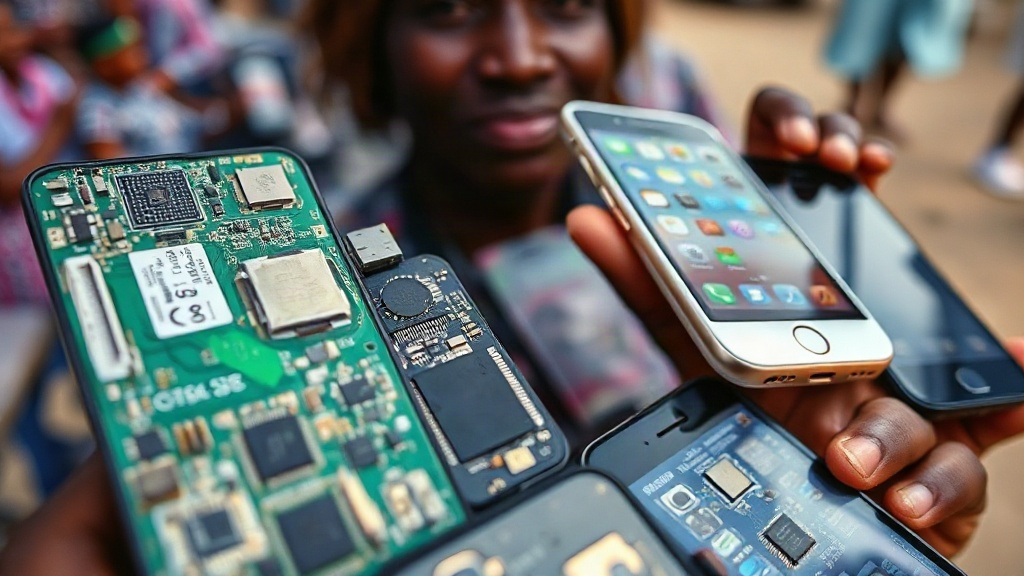
The primary driver behind the escalating difficulty in achieving the $30 smartphone goal is the rising cost of smartphone components. Global supply chain disruptions, increased demand, and geopolitical factors have all contributed to price hikes for essential parts like processors, memory chips, and displays. These cost increases are passed down to consumers, making it nearly impossible for manufacturers to produce devices at the target price point while maintaining any semblance of profitability or acceptable quality.
Smartphone manufacturers, particularly those targeting emerging markets, are caught in a difficult position. They must balance the need for cost-effectiveness with the demand for functional, reliable devices. Sourcing cheaper components often means compromising on performance, durability, or features, which can alienate users who expect a certain level of functionality. Conversely, using higher-quality components pushes the price beyond the reach of the target demographic.
The Impact on Closing the Mobile Internet Gap
The struggle to provide affordable smartphones directly impacts the effort to close Africa's mobile internet gap. While network coverage has expanded, a significant portion of the population remains offline or under-connected because they lack the necessary devices. This digital divide has profound implications for economic development, education, healthcare, and civic participation.
Without access to smartphones, individuals are excluded from a growing digital economy. They miss out on opportunities for online learning, remote work, digital financial services, and access to vital information. The disparity between those who are connected and those who are not is likely to widen if the affordability of smartphones is not addressed. This entrenches existing inequalities and hinders overall progress.
Beyond $30: Exploring Alternative Paths
Given the current economic headwinds, the singular focus on a $30 smartphone may need to be re-evaluated. While a noble goal, it might be more realistic to explore a broader range of affordable device options and innovative access models. This could include a tiered approach, offering devices at slightly higher but still accessible price points, perhaps in the $40-$60 range, with improved functionality and durability.
Furthermore, initiatives focused on device financing, refurbishment programs, and bulk purchasing by governments or NGOs could play a crucial role. Partnerships with mobile network operators to bundle devices with data plans at subsidized rates are also essential. The focus should not just be on the initial purchase price but on the total cost of ownership and the value proposition for the end-user.
The surprising detail here is not that component prices are rising—that's a global trend. The surprise is the apparent lack of widespread, coordinated strategies from major tech players and African governments to proactively counter this specific challenge for the continent's connectivity goals. While efforts exist, they appear fragmented against the scale of the problem.
A Call for Innovation and Collaboration
Achieving widespread smartphone adoption in Africa requires a multi-faceted approach involving manufacturers, network providers, governments, and international organizations. Innovation in device design, focusing on essential features and robust construction, is critical. Manufacturers must explore new materials and production techniques to bring down costs without sacrificing usability.
Governments can play a vital role by implementing policies that encourage local manufacturing, offer tax incentives for affordable device production, and invest in digital literacy programs. Mobile network operators have a vested interest in increased data consumption, making them natural partners for device subsidy programs. Ultimately, closing the mobile internet gap hinges on making the tools of digital access—smartphones—truly accessible to all Africans.