
The Problem with 'Good at AI'
Ask any team meeting: "Who is our AI expert?" The silence that follows is telling. Responses range from the heaviest tool user to the prompt engineer, or the one who recently showcased an impressive AI-generated output. None of these answers feel definitive. There’s a shared intuition that something is missing, a lack of clear criteria for evaluating AI proficiency. This ambiguity is a significant hurdle for companies integrating AI, impacting hiring, performance reviews, and team development.
The very phrasing, "good at using AI," is a trap. It implies a transactional relationship with technology, akin to being "good at using a spreadsheet." This perspective overlooks the deeper, more strategic capabilities that define true AI competence. It’s not just about operating the latest tools; it’s about understanding, applying, and innovating with AI systems.
The current landscape forces a re-evaluation of what it means to be skilled in AI. As AI tools become ubiquitous, the ability to leverage them effectively shifts from a niche skill to a fundamental competency. However, without a standardized evaluation method, organizations struggle to identify, nurture, and reward this critical skill. This essay proposes the ABCD2 framework as a solution, aiming to provide a robust, multi-dimensional approach to assessing AI capabilities.
Introducing the ABCD2 Framework
The ABCD2 framework offers a more nuanced and comprehensive evaluation of AI proficiency. It moves beyond superficial metrics to capture the multifaceted nature of working with AI. The framework is built on five core axes, designed to assess an individual's capabilities across different dimensions of AI engagement:
A - Application
This dimension assesses an individual's ability to effectively apply AI tools and techniques to solve real-world problems. It’s not just about knowing which tool to use, but understanding the problem space and selecting the most appropriate AI solution. This includes:
- Problem Framing: Can the individual clearly define a problem that AI can address?
- Tool Selection: Does the individual understand the strengths and weaknesses of various AI tools and platforms to choose the best fit for a given task?
- Integration: Can they integrate AI outputs into existing workflows or systems?
- Iterative Improvement: Do they understand how to refine AI applications based on feedback and performance?
Someone strong in Application can see a business need and architect an AI-driven solution, even if they aren't the primary coder or prompt engineer. They are the strategic thinkers who bridge the gap between AI potential and business reality.
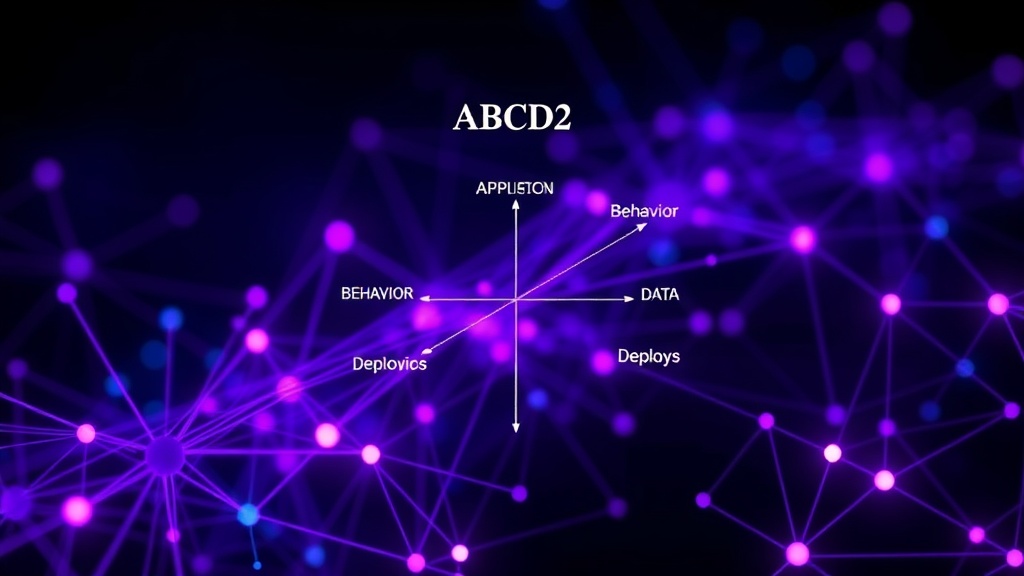
B - Behavior
Behavior focuses on the mindset and habits of an individual when interacting with AI. This is about the proactive, ethical, and continuous learning aspects:
- Curiosity and Exploration: Do they actively seek out new AI tools, techniques, and research?
- Experimentation: Are they willing to try new approaches and learn from failures?
- Ethical Awareness: Do they consider the ethical implications of AI use, such as bias, privacy, and transparency?
- Collaboration: How effectively do they work with others, sharing knowledge and insights about AI?
- Adaptability: Can they adjust their approach as AI technology evolves rapidly?
Strong Behavior indicates someone who is not just a user, but a responsible and forward-thinking participant in the AI ecosystem. They are the team members who push the boundaries safely and effectively.
C - Comprehension
Comprehension delves into the depth of understanding an individual has regarding AI principles. This is more than just knowing how to use a tool; it's about understanding *why* it works:
- Conceptual Understanding: Do they grasp fundamental AI concepts like machine learning, deep learning, natural language processing, and their underlying mechanisms?
- Model Awareness: Do they understand the limitations and biases inherent in different AI models?
- Data Significance: Do they comprehend the role of data in training and operating AI systems?
- Critical Evaluation: Can they critically assess AI outputs, identifying potential errors, hallucinations, or misleading information?
High Comprehension allows individuals to troubleshoot effectively, to discern when an AI is providing reliable information versus when it is generating plausible-sounding inaccuracies. It’s the difference between a user and a knowledgeable practitioner.
D - Data Fluency
This axis measures an individual's comfort and skill in working with data, which is the lifeblood of AI:
- Data Gathering: Can they identify and source relevant data for AI tasks?
- Data Cleaning and Preparation: Are they skilled in preprocessing data to ensure quality and suitability for AI models?
- Data Analysis: Can they analyze data to extract insights and inform AI development?
- Data Interpretation: Do they understand how data impacts AI performance and outcomes?
Data Fluency is crucial because AI models are only as good as the data they are trained on. Individuals with this skill can ensure that AI systems are built and operated on a solid data foundation.
2 (D) - Deployment and Development
The final 'D' represents the ability to not only use AI but also to develop and deploy AI solutions. This is the most technical aspect and includes:
- Prototyping: Can they build functional prototypes of AI applications?
- Development Skills: Do they possess relevant programming and MLOps skills?
- Deployment Strategies: Can they plan and execute the deployment of AI models into production environments?
- Monitoring and Maintenance: Are they capable of monitoring AI performance post-deployment and performing necessary updates?
This dimension is critical for organizations looking to build their own AI capabilities rather than solely relying on off-the-shelf tools. It signifies a deeper level of engagement, moving from user to creator.
Applying ABCD2 in Practice
The ABCD2 framework provides a structured way to evaluate AI competence. Instead of asking vague questions, managers can use these axes to probe specific skills. For instance:
- Hiring: Integrate ABCD2 criteria into job descriptions and interview processes. Ask behavioral questions related to each axis.
- Performance Reviews: Use the framework to set goals and provide feedback, identifying areas for growth in AI proficiency.
- Team Development: Understand team strengths and weaknesses across the ABCD2 dimensions to tailor training and identify skill gaps.
The surprising detail here is not the complexity of AI itself, but how ill-equipped most current evaluation methods are to capture it. They treat AI proficiency as a monolithic skill, when in reality, it's a constellation of capabilities. The ABCD2 framework provides the much-needed yardstick.
By breaking down AI competence into these five distinct yet interconnected areas, organizations can move beyond subjective assessments and develop objective measures. This allows for more effective talent management, better team composition, and ultimately, a more strategic and impactful adoption of AI technologies.