
Developers•Aug 18, 10:55 PM
AI-Generated Code: Who Owns It? Legal Uncertainty Looms
New US Copyright Office rulings mean AI-assisted code may not be copyrightable, creating ownership gaps for developers and companies.
Share:
Five shifts. Five minutes. No noise.
No spam. Unsubscribe anytime. Powered by Beehiiv.
New tool RuleReceipt centralizes rules and configurations for AI coding assistants like Claude, Copilot, and Cursor.

OCI monitoring alarms can appear configured but still fail critical operations. Here's how.

How CoxOutage.us uses aggressive caching, edge delivery, and localized SEO to handle massive, sudden traffic spikes during internet disruptions.
New US Copyright Office rulings mean AI-assisted code may not be copyrightable, creating ownership gaps for developers and companies.

A common complaint about AI coding tools is declining performance, but one developer found the issue was their own reduced prompt precision.

AI can build interfaces, but developers must guide it with intent, not direct code generation, for safe, adaptive UIs.

For critical US/EU compliance alerts, SMS is the primary channel, followed by email if delivery fails.

A personal project demonstrates the power of serverless and edge compute for hosting Git repositories.

Understanding recursion and iteration means choosing between elegant solutions and predictable performance. Know when to bend the rules.
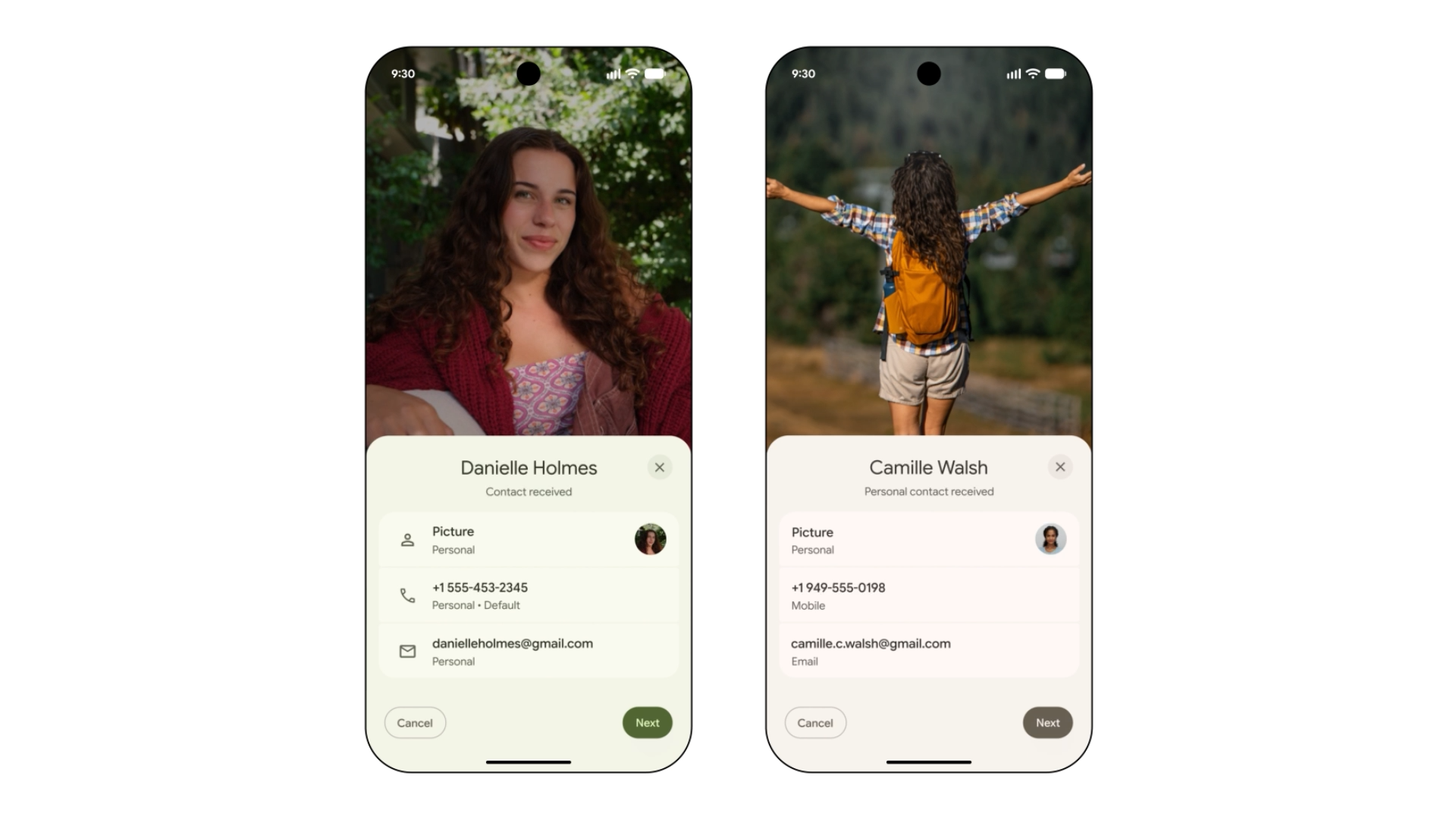
A new Rust-based vector search engine, Turbovec, brings Google's TurboQuant technology to developers.
%22%20%2F%3E%0A%20%20%3C%2Fsvg%3E)
Cursor's new Origin platform offers an AI-first approach to code hosting, aiming to streamline development workflows beyond traditional Git repositories.

A new approach uses AsyncLocalStorage to manage TypeORM transactions transparently across NestJS services.
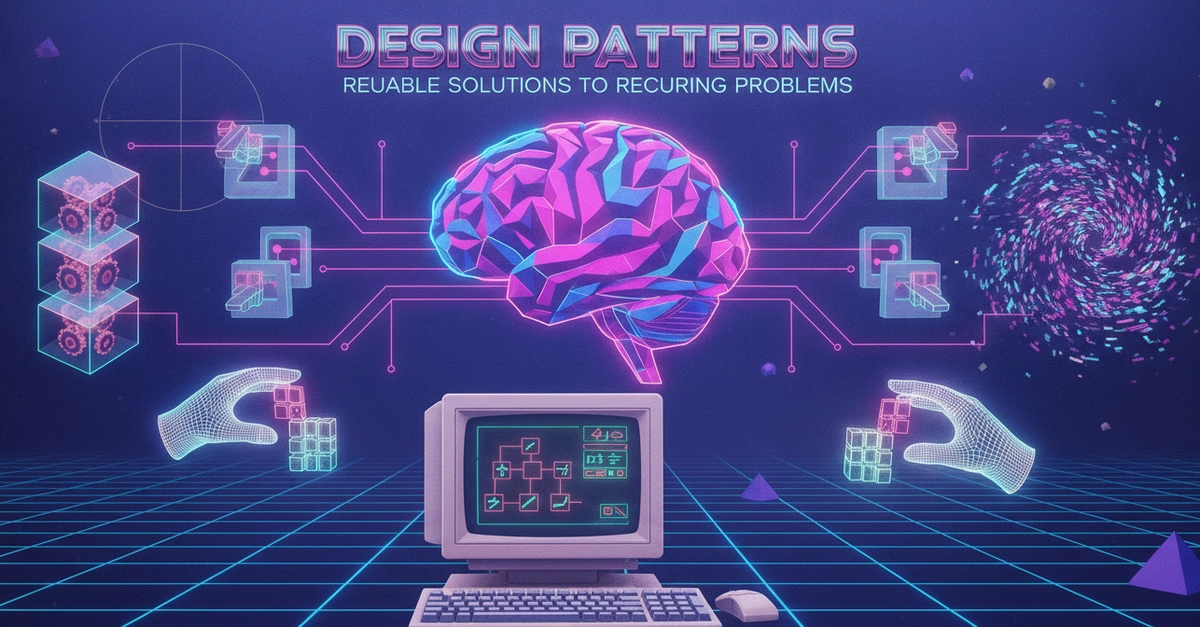
A practical C#/.NET guide to essential design patterns, explaining what problems they solve and when to use them.