The Title Game: SEO Over User Clarity
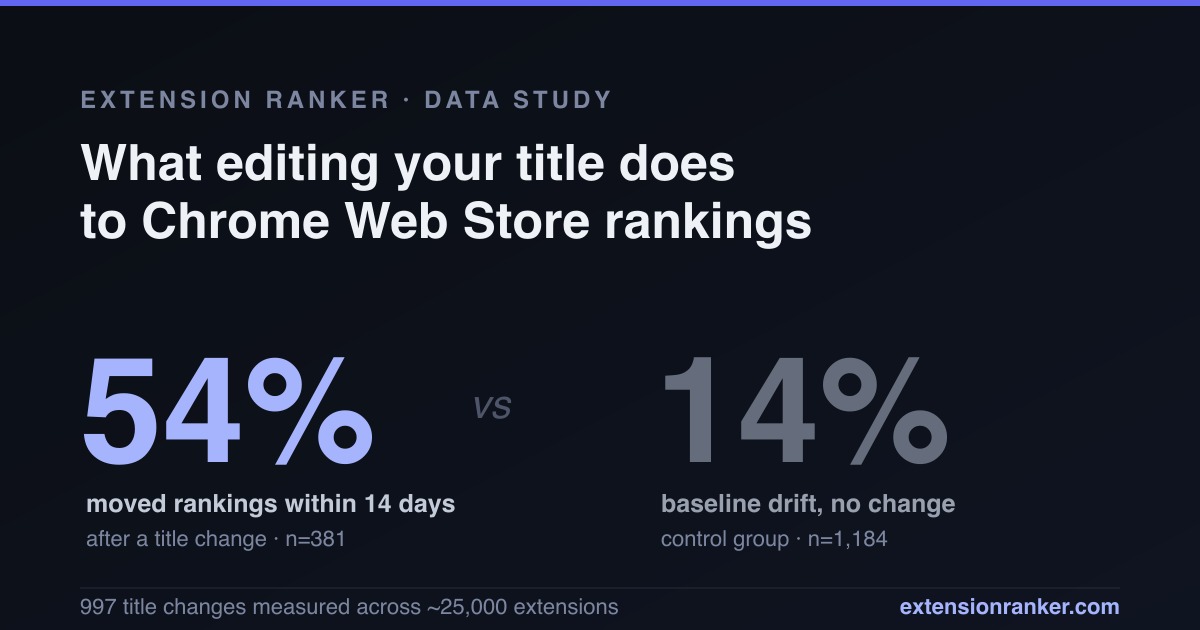
A recent analysis of 997 Chrome extensions revealed a surprising trend: a significant number of these extensions manipulated their titles, often to boost their search rankings within the Chrome Web Store. This practice, while not explicitly forbidden, raises questions about transparency and user trust. The study, which tracked title changes over time, found that these modifications were not random but often strategic, aiming to capture more prominent positions in search results for popular keywords.
The implications of this are far-reaching. For users, a misleading title can lead to the installation of an extension that doesn't meet their expectations, potentially compromising their browsing experience or even their security. For developers who adhere to clear and honest titling conventions, it creates an uneven playing field. The research highlights a subtle but potent form of search engine optimization that operates within the confines of the Chrome Web Store's interface.
One of the most striking findings was the sheer volume of extensions engaging in this practice. While the exact motivations behind each title change can vary, the correlation with increased search visibility suggests a deliberate effort to game the system. This isn't about minor edits; it's about significant shifts in naming conventions to align with trending search terms or keywords associated with popular functionalities, even if the extension's core purpose remains unchanged.
Consider the analogy of a physical storefront. If a shop selling artisanal bread suddenly renames itself to "The Best Coffee Shop in Town" to attract more foot traffic, customers looking for coffee might be disappointed, and those seeking bread might miss out. This is precisely the dynamic at play with deceptive extension titles. The intent is to attract a wider audience, but the method risks alienating or misleading potential users.
The study meticulously tracked these changes, creating a dataset that allows for granular analysis of which keywords were targeted and how frequently titles were altered. This level of detail is crucial for understanding the scope of the problem and for developing potential solutions. It moves beyond anecdotal evidence to provide concrete data on a widespread, albeit hidden, practice.
Motivations Behind the Changes
The primary driver identified for these title alterations is, unsurprisingly, search engine optimization (SEO). Extensions are often named to include popular keywords that users might search for when looking for specific functionalities. For instance, an extension that offers a simple coupon finder might rename itself to "Best Discount Codes & Coupons - Save Money Online Instantly" to appear in more searches related to online shopping savings.
This strategy capitalizes on the Chrome Web Store's search algorithm. By incorporating highly searched terms, extensions can climb the rankings, increasing their discoverability. This is particularly effective for extensions that might otherwise struggle to gain visibility among the millions of available options. The research suggests that this tactic is not a one-off event but a recurring strategy for many developers looking to gain an edge.
Beyond direct SEO plays, some title changes might be attempts to rebrand or pivot an extension's perceived functionality without a significant code overhaul. If an extension's initial naming convention proved unpopular or failed to attract users, a title change offers a low-friction way to test new branding or highlight a secondary feature that could be more appealing.
However, the line between legitimate keyword optimization and deceptive practice is blurred. When an extension's title no longer accurately reflects its core function, it crosses into misleading territory. The data suggests that many extensions are pushing this boundary, prioritizing discoverability over accurate representation. This creates a challenging environment for users who rely on clear, concise titles to make informed decisions about the software they install.
The "So What?" Perspective
Developers should be aware that extensions might change titles to boost SEO, potentially leading users to install them under false pretenses. This can impact the perceived value and trustworthiness of the entire extension ecosystem. Consider how your own extension's naming strategy aligns with discoverability versus user clarity.
Title manipulation for SEO can be a precursor to malicious activity. Extensions that change titles to appear more legitimate or to attract users searching for security tools might be attempting to phish or install malware. Users should scrutinize permissions and developer reputation regardless of an extension's search ranking.
The practice of title manipulation for SEO in the Chrome Web Store represents a grey area in platform integrity. Founders should consider the long-term impact of such tactics on user trust and brand reputation. A focus on genuine value and transparent naming will likely yield more sustainable growth than short-term SEO gains.
For creators, understanding how extensions are named and ranked is crucial. If you develop Chrome extensions, consider how your title impacts discoverability without misleading users. A clear, descriptive title that accurately reflects functionality builds trust and a loyal user base, which is more valuable than a temporary SEO boost.
This research highlights a new data point for understanding user acquisition strategies in software marketplaces. Analyzing title changes alongside download metrics and user reviews could reveal patterns of deceptive marketing. Future research could explore the effectiveness of such SEO tactics and their correlation with user retention or churn.
Sources synthesised
- 0% Match