The $TRUMP Memecoin Phenomenon: High Stakes, Stark Realities
The speculative frenzy surrounding political-themed cryptocurrencies has reached a dramatic nadir, with a new analysis revealing that investors in the $TRUMP memecoin have collectively lost an estimated $3.8 billion. This staggering figure underscores the volatile and often predatory nature of the memecoin market, particularly when intertwined with high-profile political figures. Nearly one million individuals are estimated to have participated in this speculative venture, only to face substantial financial setbacks.
The $TRUMP memecoin, launched on the Solana blockchain, capitalized on the fervent support and name recognition of former President Donald Trump. Its ascent mirrored the broader trend of memecoins, digital assets whose value is often driven by social media hype and community sentiment rather than underlying technological innovation or utility. In this case, the allure was explicitly tied to political affiliation and the potential for perceived insider access or influence, a narrative that proved highly attractive to a segment of the crypto-savvy public.
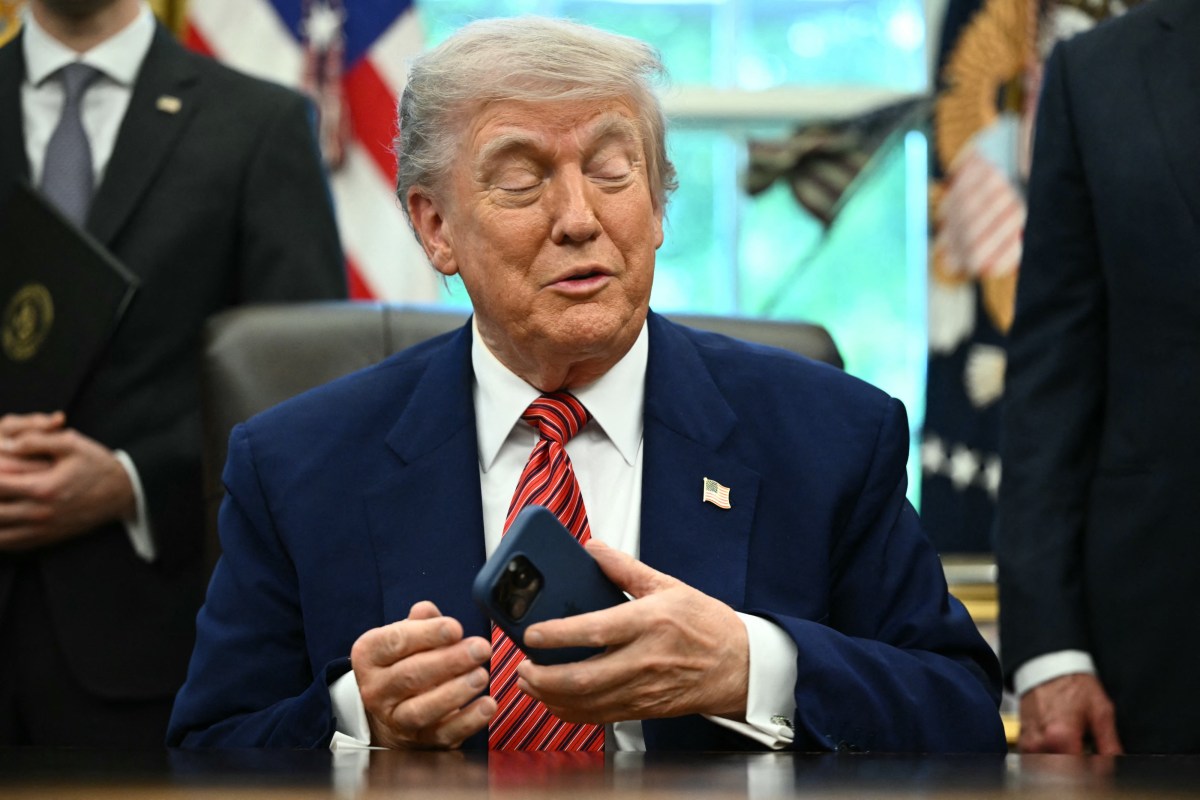
While the vast majority of investors saw their holdings diminish, the token's creator or associated entities, reportedly including Donald Trump himself, reaped substantial rewards. Reports indicate that Trump's involvement netted him approximately $636 million. This stark contrast between investor losses and creator profits highlights a common pattern in the memecoin ecosystem, where early participants or those with privileged information often exit with significant gains, leaving later investors exposed to market corrections and potential rug pulls.

Market Dynamics and Investor Psychology
The rise and fall of the $TRUMP memecoin cannot be understood in isolation. It is a symptom of a larger trend where speculative capital flows into assets that promise rapid, outsized returns, often fueled by a blend of FOMO (fear of missing out) and a belief in the power of collective action, amplified by social media. For many, investing in a Trump-themed memecoin was not just a financial bet, but a statement of political allegiance, blurring the lines between ideology and investment strategy.
The Solana blockchain, chosen for its high transaction speeds and lower fees compared to Ethereum, provided a fertile ground for the rapid creation and trading of such tokens. This accessibility lowers the barrier to entry for both creators and investors, but also facilitates the proliferation of ephemeral assets with little intrinsic value. The speed at which these memecoins can be launched and traded means that market sentiment can shift dramatically in a matter of hours or days, leaving little room for rational decision-making.
Investor psychology in this space is complex. It often involves a mix of genuine belief in the asset's potential, a desire to be part of a community, and a gambler's optimism. The narrative surrounding political figures, especially those with a dedicated and passionate following, adds another layer of emotional investment. This can lead individuals to overlook fundamental risks, such as the lack of a clear use case, the potential for market manipulation, and the inherent volatility of memecoins. The sheer scale of the losses suggests that many individuals invested significant portions of their capital, driven by the belief that the token's association with a prominent political figure would guarantee its long-term value or at least a profitable exit.
The Broader Implications for Crypto and Politics
The $TRUMP memecoin saga raises critical questions about the intersection of cryptocurrency markets and political discourse. It demonstrates how political capital can be leveraged to create financial instruments that, while offering potential gains, carry immense risk for the average participant. This phenomenon is not unique to the current political climate; similar tokens have emerged around other political figures and events, suggesting a growing trend of weaponizing political sentiment for speculative financial gain.
For the cryptocurrency industry, the incident is another cautionary tale. While memecoins can generate significant buzz and attract new users to the space, they also attract regulatory scrutiny and reinforce negative perceptions of crypto as a domain dominated by speculation and scams. The substantial losses incurred by $TRUMP memecoin investors could embolden regulators to take a closer look at the oversight of digital asset markets, particularly those linked to public figures or political campaigns.
Furthermore, the ease with which such tokens can be created and promoted poses a challenge for genuine innovation in the blockchain space. The allure of quick profits from memecoins can divert attention and capital away from projects with long-term utility and sustainable economic models. It creates an environment where hype often trumps substance, potentially hindering the maturation of the broader crypto ecosystem. As this trend continues, the line between political engagement and financial speculation becomes increasingly blurred, demanding greater awareness and due diligence from all participants.
What Remains Unanswered
While the financial toll on investors and the profits accrued by associated parties are now quantifiable, several critical questions linger. What level of due diligence, if any, was performed by the platforms facilitating the trading of the $TRUMP memecoin? Did they adequately warn users of the extreme risks involved, or did they prioritize transaction volume? Moreover, as similar politically-themed tokens continue to emerge, what mechanisms can be put in place to protect retail investors from predatory schemes that exploit political fervor for financial gain without offering any tangible value or security?
The regulatory landscape for memecoins remains nascent and fragmented. Unlike traditional securities, many memecoins operate in a grey area, making it difficult for authorities to intervene effectively. The sheer volume of transactions and the decentralized nature of many crypto markets further complicate enforcement. The $3.8 billion lost by $TRUMP memecoin investors is not just a statistic; it represents real financial hardship for nearly a million individuals, a stark reminder of the Wild West nature of parts of the digital asset economy and the urgent need for greater clarity and protection.