The Challenge: A $100 AI Music Video
Creating a music video is typically a complex, costly endeavor, involving cameras, lighting, actors, editors, and significant post-production. But what if AI could democratize this creative process? This article details an ambitious experiment: pitting two of the most advanced large language models, Anthropic's Claude Fable 5 and OpenAI's GPT-5.6 Sol, against each other in a head-to-head challenge to produce a complete music video for under $100.
The goal was to assess not just the raw output quality but the entire workflow, from concept generation and scriptwriting to AI-generated visuals and even basic editing. The budget constraint forced a reliance on readily available AI tools, pushing the boundaries of what's achievable with current generative AI capabilities. This wasn't about Hollywood production values; it was about seeing how far these models could take a creative vision within strict financial limits.
Conceptualization and Scripting: The AI Brainstorm
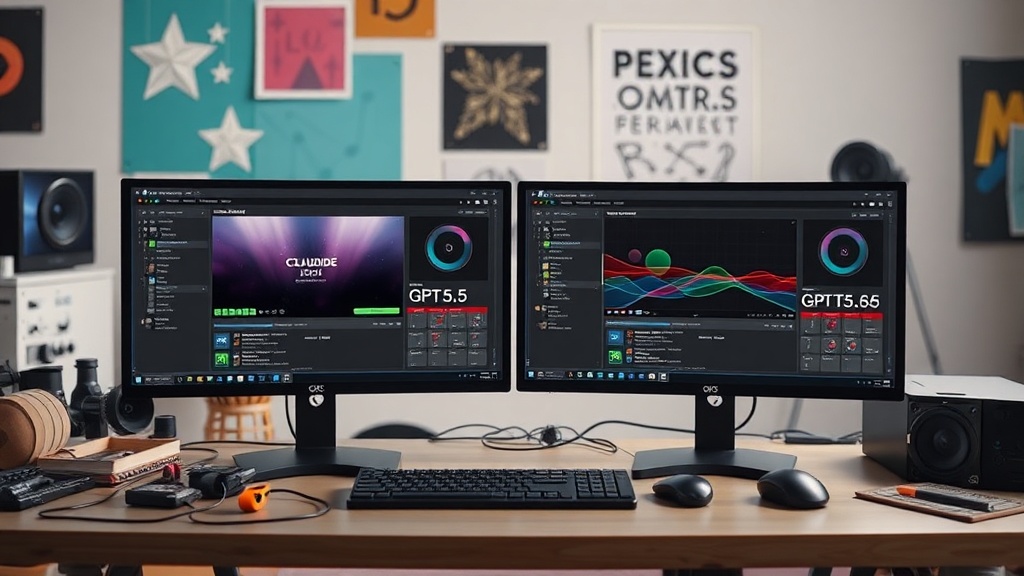
The first phase involved leveraging the LLMs for concept generation and scriptwriting. The prompt was simple: create a music video concept for an original song titled "Digital Echoes." Both models were tasked with developing a narrative, suggesting visual styles, and outlining key scenes. Claude Fable 5 approached the task with a more structured, almost programmatic output, breaking down the video into distinct acts and visual motifs. It proposed a narrative exploring themes of AI consciousness and human connection, suggesting a blend of abstract digital landscapes and intimate human moments.
GPT-5.6 Sol, on the other hand, exhibited a more fluid and perhaps more "human" creative flow. Its response was less rigidly structured but richer in evocative imagery and emotional arcs. It leaned into a more surreal, dreamlike aesthetic, visualizing "Digital Echoes" as a journey through fragmented memories and evolving digital realities. The surprising detail here was the distinct personality each AI seemed to project through its writing style – one analytical and precise, the other more poetic and impressionistic. The cost for this phase was minimal, primarily the API calls, which fell well within the $100 budget.
Visual Generation: Bringing Concepts to Life
This was the most resource-intensive phase. For visual generation, the experiment relied on readily accessible AI video generation tools. The challenge was to translate the scripts and concepts into coherent visual sequences. Claude Fable 5's output, guided by its structured script, resulted in visuals that were technically proficient but somewhat sterile. The AI generated scenes of clean, geometric digital environments and clearly defined human avatars. The consistency across shots was generally good, but the emotional resonance was muted. The tools used here, like RunwayML and Pika Labs, were utilized with specific prompts derived from Claude's script, incurring costs for rendering time and credits.
GPT-5.6 Sol's visual output, however, was a revelation. Its more abstract and surreal script translated into videos that were visually striking, often breathtaking. The AI-generated scenes featured dynamic, morphing landscapes, unexpected juxtapositions, and a palpable sense of mood. While consistency was a greater challenge, with occasional artifacts and scene shifts that were harder to control, the overall impact was far more compelling. The "glitches" and "imperfections" in GPT-5.6 Sol's output, rather than being detrimental, actually enhanced the "Digital Echoes" theme, mirroring the fragmentation and evolution of digital information. This phase consumed the bulk of the $100 budget, with credits for AI video generation services being the primary expenditure.
Audio Integration and Editing: The Final Polish
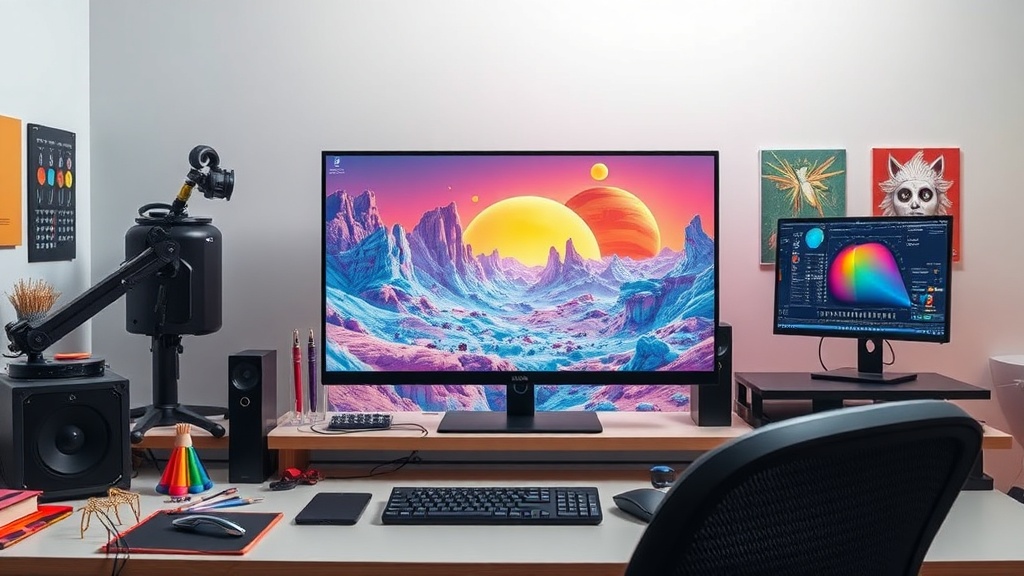
The final stage involved integrating the AI-generated visuals with an actual audio track and performing basic editing. The original song, "Digital Echoes," was provided as an audio file. The AI models were used for initial suggestions on pacing and scene transitions to match the music's rhythm and mood. Claude Fable 5's output lent itself to a more conventional editing style, aligning visual cuts with musical beats. The result was a functional, albeit predictable, music video.
GPT-5.6 Sol's more experimental visuals required a more adaptive editing approach. The AI suggested transitions that were less about beat-matching and more about thematic resonance, creating a dreamlike flow. The surprising element here was not the AI's editing suggestions but the realization that manual editing, even basic cuts and fades, was still essential to tie everything together cohesively. While AI tools could suggest edits, the human touch was needed to ensure narrative coherence and emotional impact. The cost for this phase was minimal, mainly using free or low-cost video editing software.
The Verdict: Claude Fable 5 vs. GPT-5.6 Sol
After a total expenditure of $98.75, the experiment concluded. Claude Fable 5 delivered a technically sound, coherent, but ultimately uninspired music video. It demonstrated reliability and adherence to structure, making it a predictable choice for straightforward creative tasks. GPT-5.6 Sol, while requiring more careful prompting and a willingness to embrace "imperfections," produced a visually arresting and emotionally resonant piece. Its output felt more genuinely creative, pushing the boundaries of AI-generated art.
The core difference lay in their approach to creativity. Claude Fable 5 acted like an extremely competent assistant, executing instructions flawlessly. GPT-5.6 Sol, however, felt more like a collaborator, offering unexpected interpretations and a distinct artistic voice. For a $100 budget, GPT-5.6 Sol provided a more compelling artistic outcome, proving that AI can indeed be a powerful tool for creators, even on a shoestring budget. The question that remains is how quickly these models will evolve to offer both creative flair and consistent technical execution simultaneously.