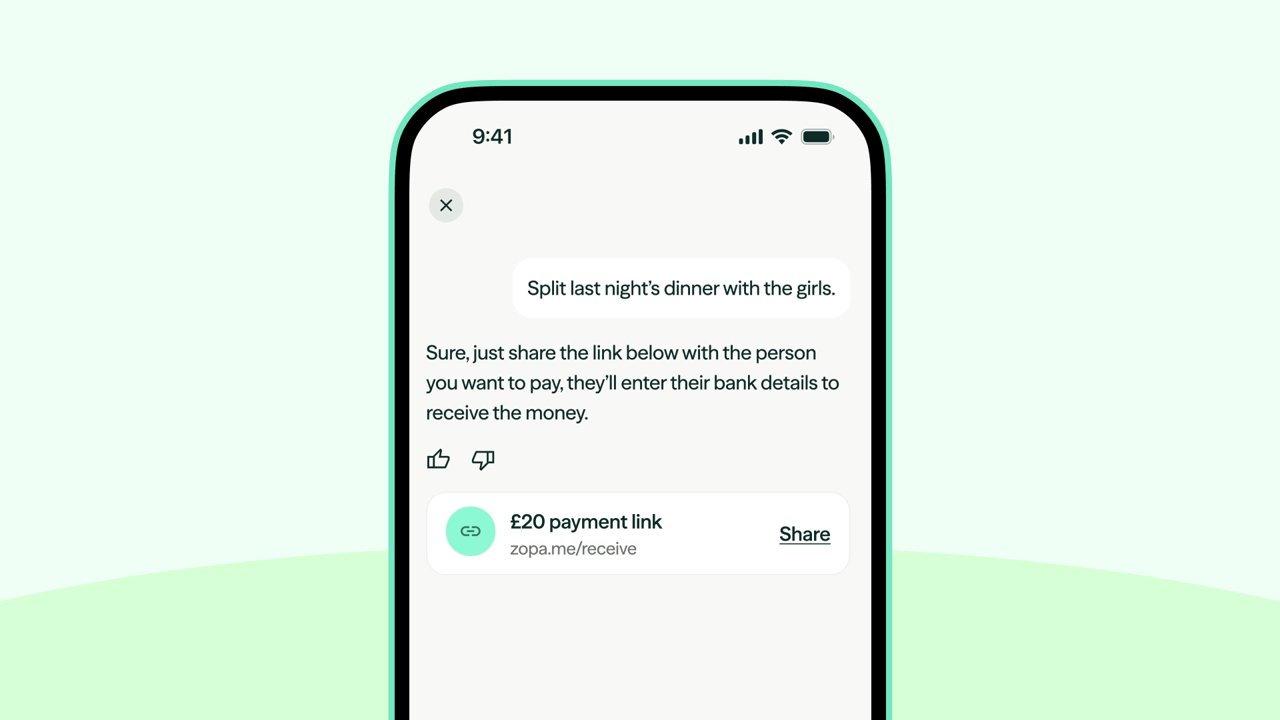
Zopa Embraces Conversational Banking with AI Voice Services
Zopa, the UK digital bank, has officially entered the realm of conversational banking by introducing AI-powered voice services for its customers. This new feature allows users to perform a range of financial transactions, including sending money to friends and settling invoices, entirely through voice commands. This move signals a significant step for Zopa in integrating advanced AI technologies into everyday banking, aiming to provide a more seamless and accessible customer experience.
The integration of voice technology into banking is not entirely new, but Zopa's implementation focuses on practical, everyday transactions. Customers can now initiate payments by simply speaking their requests, bypassing the need to navigate through mobile apps or online portals. This is particularly beneficial for users who prefer hands-free operations or find traditional digital interfaces cumbersome. The AI's ability to understand and process natural language commands is central to this new offering, making financial interactions more intuitive.
How Zopa's AI Voice Banking Works
At its core, Zopa's AI voice banking service leverages sophisticated natural language processing (NLP) and speech recognition technologies. When a customer speaks a command, such as "Send £50 to Sarah for dinner," the AI system first transcribes the audio into text. It then parses this text to identify key entities like the amount, the recipient, and the purpose of the transaction. This structured data is then used to initiate the payment process within Zopa's secure banking infrastructure.
Security is paramount in any financial service, and Zopa has implemented robust measures to ensure the safety of voice-based transactions. This includes multi-factor authentication protocols, such as voice biometrics, where the system verifies the user's identity based on their unique voice patterns. Additionally, transaction limits and confirmation steps are in place to prevent unauthorized access or accidental transfers. Customers will likely need to set up their voice profile and potentially confirm high-value transactions through a secondary method, ensuring that convenience does not come at the expense of security.
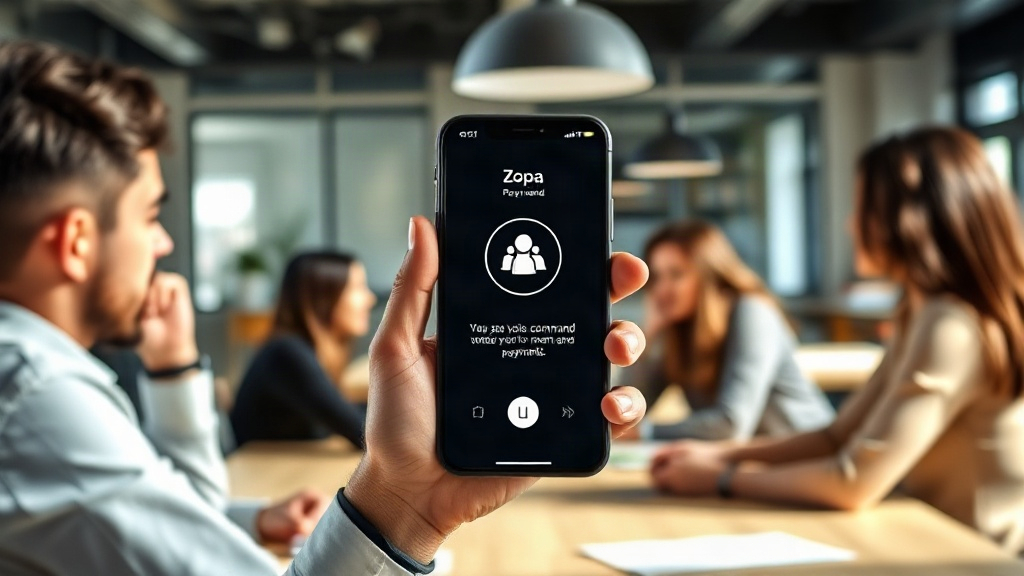
The system is designed to handle a variety of payment scenarios. For peer-to-peer transfers, customers can specify the recipient by name, and the AI will search their contact list or prompt for more details if ambiguity exists. For invoice settlement, users might be able to verbally instruct Zopa to pay a specific bill, potentially by referencing an invoice number or a linked payee. The AI's ability to manage context and follow up with clarifying questions is crucial for handling these complex interactions accurately.
Broader Implications for Conversational Banking
Zopa's move into AI voice banking is part of a broader trend towards conversational interfaces in customer service and financial technology. As AI models become more sophisticated, the ability to interact with complex systems using natural language is rapidly improving. This shift moves away from traditional graphical user interfaces (GUIs) towards more intuitive, human-like interactions. For banks, this means an opportunity to enhance customer engagement, reduce operational costs associated with call centers, and offer services that are accessible to a wider demographic, including those with visual impairments or limited digital literacy.
The competitive landscape for digital banking is fierce, and Zopa's adoption of this technology could set a new benchmark for user experience. While many banks offer voice assistants for basic queries or account information, the ability to execute core transactional tasks like payments and invoicing via voice is a more advanced capability. This could attract new customers who value convenience and cutting-edge technology, and it may also push competitors to accelerate their own AI integration strategies. The success of Zopa's voice banking will likely depend on its reliability, security, and the breadth of commands it can accurately interpret and execute.
The Future of Voice in Financial Services
Looking ahead, the potential applications for AI voice technology in banking are vast. Beyond simple payments, we could see voice commands used for more complex financial planning, investment management, loan applications, and even fraud reporting. Imagine asking your bank, "What's my projected retirement income based on my current investments and savings rate?" or "Apply for a small personal loan for a home renovation," and receiving a comprehensive, personalized response or guided application process. The ability for AI to understand nuanced financial queries and provide actionable insights is the next frontier.
However, challenges remain. Ensuring data privacy and security in an era of increasingly sophisticated AI and potential voice spoofing is a continuous battle. Regulatory frameworks will need to adapt to govern these new interaction methods. Furthermore, the AI must be trained on diverse datasets to avoid bias and ensure equitable service for all users, regardless of accent, dialect, or speech impediments. Zopa's foray is a significant step, but it is part of a larger, ongoing evolution in how humans interact with their finances, moving towards a future where banking is as natural as having a conversation.