YouTube Stations Evolve Beyond Music
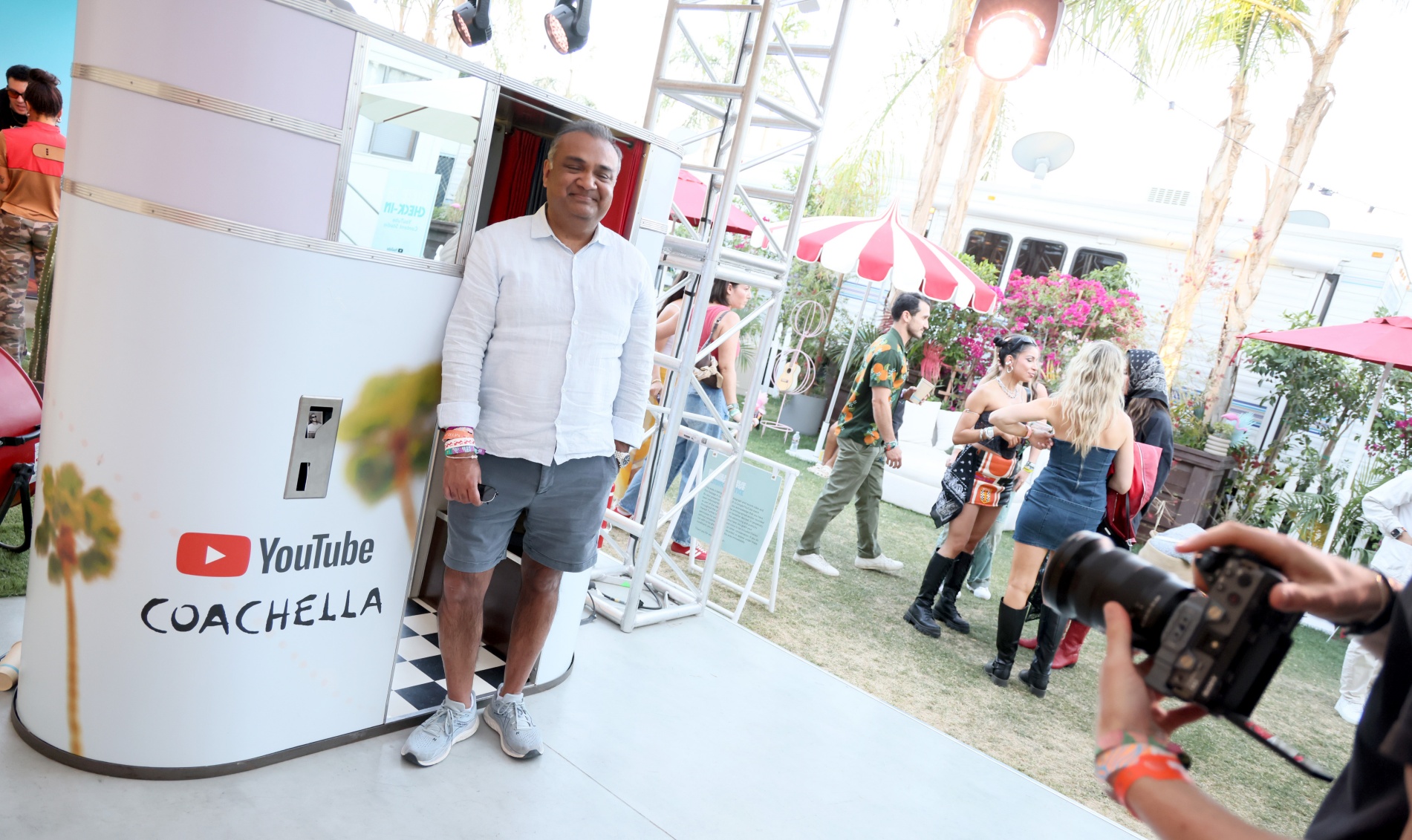
YouTube is significantly expanding its Stations product, moving beyond its initial music-focused rollout at Coachella to encompass a broader range of creator content. This strategic shift positions YouTube’s Stations as direct competitors to traditional free, ad-supported television (FAST) services found on platforms like Roku and Samsung TV Plus. The always-on streaming hubs are designed to cater to specific content niches, offering a curated, channel-like viewing experience directly within the YouTube ecosystem. This evolution signifies YouTube's ambition to capture more lean-back viewing time, directly challenging established streaming giants.
The 'TV Channel' Experience on YouTube
Stations, at their core, are YouTube's interpretation of a television channel. They provide a continuous stream of content within a defined category, offering a passive viewing experience that contrasts with YouTube's traditionally on-demand, user-driven model. The initial launch at Coachella focused on music, providing festival-goers with a dedicated channel for performances and related content. However, the recent update signals a much broader application. Instead of users actively searching for videos, Stations present curated playlists and programming, mimicking the linear flow of broadcast or cable television. This move is a direct play for viewers who prefer a more curated, less interactive content discovery method, similar to what they might find on other FAST platforms.
Expanding to Creator Content Hubs
The expansion into “creator content” means that Stations will now feature channels dedicated to various genres and topics directly produced by YouTube’s vast creator base. This could include anything from cooking shows and DIY tutorials to gaming streams and educational series. The platform aims to leverage its existing creator ecosystem to populate these new Stations, providing a unified destination for fans of specific creators or content types. This approach not only offers a new discovery mechanism for viewers but also potentially new avenues for monetization and audience engagement for creators. By creating these dedicated, always-on channels, YouTube is essentially building curated blocks of content that can attract and retain viewers for longer periods, a key metric in the streaming wars.
Implications for the Streaming Landscape
This strategic pivot by YouTube has significant implications for the broader streaming landscape. By integrating a FAST-like experience, YouTube is blurring the lines between its on-demand library and linear television. This could attract users who are accustomed to traditional TV viewing habits but are also seeking the vast content library available on YouTube. For competitors, it means facing a more formidable adversary that can leverage its massive user base and creator network to offer a compelling alternative to existing FAST services. The success of Stations will hinge on YouTube's ability to effectively curate content, attract viewers to these linear streams, and provide a seamless user experience that encourages sustained engagement. The platform’s deep understanding of user behavior and its sophisticated recommendation algorithms will be crucial in populating and promoting these new content hubs. What remains to be seen is how creators will adapt to this new format and whether it will lead to the creation of content specifically designed for these linear, always-on channels, rather than simply repurposed existing videos.
A New Frontier for Lean-Back Viewing
YouTube's expansion of Stations represents a deliberate strategy to capture a larger share of the 'lean-back' viewing market. Unlike its traditional model, where users actively search and select videos, Stations offer a passive, curated experience akin to flipping through TV channels. This offers a compelling proposition for users who enjoy the discovery and serendipity of linear television but want access to the breadth of content available on YouTube. The platform's ability to transform its vast library of creator content into digestible, always-on channels could be a significant differentiator in the increasingly crowded streaming space. This move also mirrors a broader industry trend, where platforms are exploring various content delivery models to maximize user engagement and advertising revenue. By creating dedicated, niche channels, YouTube is not only diversifying its offering but also potentially creating more targeted advertising opportunities.
The move into creator content for Stations is more than just a product update; it's a strategic reorientation. It positions YouTube as a direct competitor in the FAST market, leveraging its existing strengths in creator content and user engagement to offer a familiar yet distinct viewing experience. The success of this initiative will likely depend on YouTube's ability to curate compelling channels, onboard creators effectively, and ultimately, provide a viewing experience that resonates with a broad audience seeking both on-demand flexibility and the comfort of linear programming.