X Money Arrives, With a Caveat

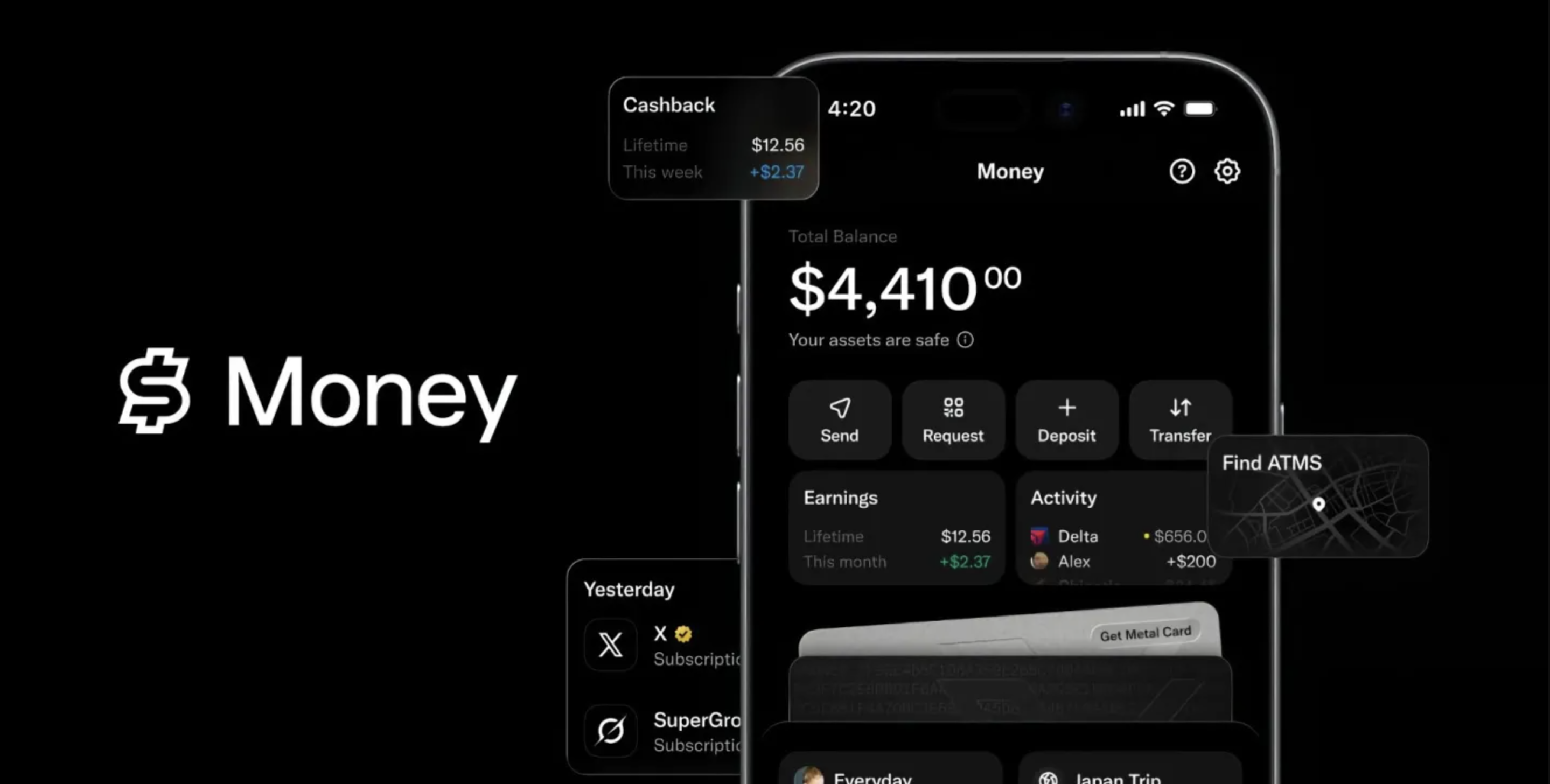
X Money, Elon Musk's long-anticipated foray into financial services, has officially launched in the United States. Initially available only to X Premium and Premium+ subscribers, the app aims to integrate payments and financial transactions directly into the social media platform. This move, announced with the characteristic fanfare of Musk's ventures, positions X Money as a potential disruptor in a market dominated by established players. However, the rollout is not without significant limitations, most notably the exclusion of major US financial markets, raising immediate questions about its immediate utility and long-term viability. The initial release focuses on core payment functionalities, allowing users to send and receive money. The integration within the X platform is designed to be seamless, leveraging the existing user base for rapid adoption. For Premium subscribers, this offers an immediate added value to their subscription, potentially driving further upgrades and engagement on the platform. The vision, as articulated by Musk and his team, is to transform X from a social network into a comprehensive digital hub, encompassing communication, content, and now, commerce. This strategic pivot towards financial services is a bold move, mirroring attempts by other tech giants to embed financial tools into their ecosystems. However, the current limitations suggest a phased approach, with the most critical components of market integration yet to be addressed. The exclusion of major financial markets means that X Money, in its current iteration, cannot facilitate stock trading, cryptocurrency transactions on major exchanges, or other sophisticated financial operations that users might expect from a comprehensive financial app. This significantly curtails its potential to compete directly with established brokerage apps or digital wallets that offer broader market access.
X Money app interface displaying payment transfer options for US subscribers

Roadblocks to Market Integration

The primary hurdle for X Money’s widespread adoption in the US is its current inability to interact with core financial markets. This means users cannot, for instance, buy or sell stocks directly through the app, a feature that many competitors offer. The Ars Technica report highlights that this exclusion is not a minor oversight but a fundamental limitation that impacts the app's core functionality for a significant portion of the target audience. For a platform aiming to be an 'everything app,' this absence is a substantial gap. Sources indicate that the rollout is being handled by X's payments division, which has been working to secure the necessary licenses and regulatory approvals. Obtaining these across different jurisdictions and for various financial services is a complex and time-consuming process. It is likely that the current version is a placeholder, designed to test user engagement and payment infrastructure while the more complex integrations are still being developed or approved. The fact that it’s limited to Premium subscribers also suggests a controlled launch, allowing the company to manage user load and identify issues before a broader public release. The absence of stock trading and broader market access is particularly surprising given the typical ambitions associated with Elon Musk’s ventures. While Tesla and SpaceX have pushed boundaries in their respective industries, X Money’s initial launch appears conservative. This could be a strategic choice to navigate the intricate regulatory landscape of financial services, which is far more scrutinized than social media. Building a robust and compliant payment system is the foundational step, with more complex financial instruments to follow once regulatory approvals are secured and the infrastructure proves stable.

What This Means for Users and Competitors

For existing X Premium and Premium+ subscribers, X Money offers a convenient way to manage peer-to-peer payments within the platform. This could streamline transactions for users who already interact on X, making it easier to split bills, send gifts, or conduct small business transactions. The integration promises to reduce friction by keeping users within the X ecosystem for these financial activities, rather than forcing them to switch to separate payment apps. However, for users seeking comprehensive financial management tools, X Money in its current form is unlikely to satisfy their needs. The exclusion of major markets means it cannot serve as a primary platform for investing or managing a diversified financial portfolio. This leaves a significant gap for users interested in trading stocks, cryptocurrencies, or other financial assets. They will continue to rely on established platforms like Robinhood, Charles Schwab, or Coinbase for these services. The competitive landscape for financial apps is fierce. Established players have years of user trust, robust infrastructure, and a wide array of features. X Money’s entry is banking on the massive existing user base of X and Musk’s personal brand to gain traction. If the company can successfully navigate the regulatory hurdles and expand its offerings to include market access and other financial services, it could indeed pose a significant challenge. But the current limited scope means its immediate impact on the broader financial services market will likely be minimal, primarily affecting peer-to-peer transactions among X users. The surprising detail here is not the launch itself, but the significant limitations imposed by market exclusion. It suggests that the path to becoming a comprehensive financial super-app is longer and more complex than perhaps anticipated, even for a company led by Musk. The phased rollout, starting with basic payments for a subset of users, indicates a strategy of building incrementally, prioritizing regulatory compliance and infrastructure stability over immediate feature parity with established competitors. The question remains: how quickly can X Money evolve beyond its current, restricted functionality to truly challenge the financial status quo?