A Familiar Face Returns with a Modern Toolkit
For millions of Windows users, the Task Manager is an indispensable tool for diagnosing performance issues, identifying runaway processes, and understanding what's consuming system resources. What many don't know is that the original architect of this utility, a software engineer named David Z. (who prefers to remain anonymous for this discussion, citing privacy concerns), is now back with a new, open-source project. Dubbed 'Process Explorer', this new tool aims to modernize the experience and offer deeper insights than its venerable predecessor.
The original Windows Task Manager, first introduced in Windows NT 3.1, was a product of its time. It provided essential functionality: a list of running processes, basic resource usage (CPU, memory), and the ability to end tasks. Over the years, it has been incrementally updated, gaining features like startup management, resource monitoring graphs, and app history. However, its core interface and underlying architecture have remained largely consistent, a testament to its foundational design but also a limitation in the face of increasingly complex modern computing environments.
David Z.'s new Process Explorer is not merely a cosmetic refresh; it represents a fundamental rethinking of what a process management tool should be in 2024. Built from the ground up, it leverages modern programming paradigms and aims to provide a level of detail and control that goes far beyond the built-in Windows utility.
Deeper Insights and Enhanced Control
One of the most striking differences in Process Explorer is its hierarchical view of processes. Instead of a flat list, it presents processes in a tree structure, clearly showing parent-child relationships. This is crucial for understanding how applications launch and manage sub-processes, which can often be the source of unexpected resource consumption or behavior. Users can easily expand or collapse branches to drill down into specific application trees.
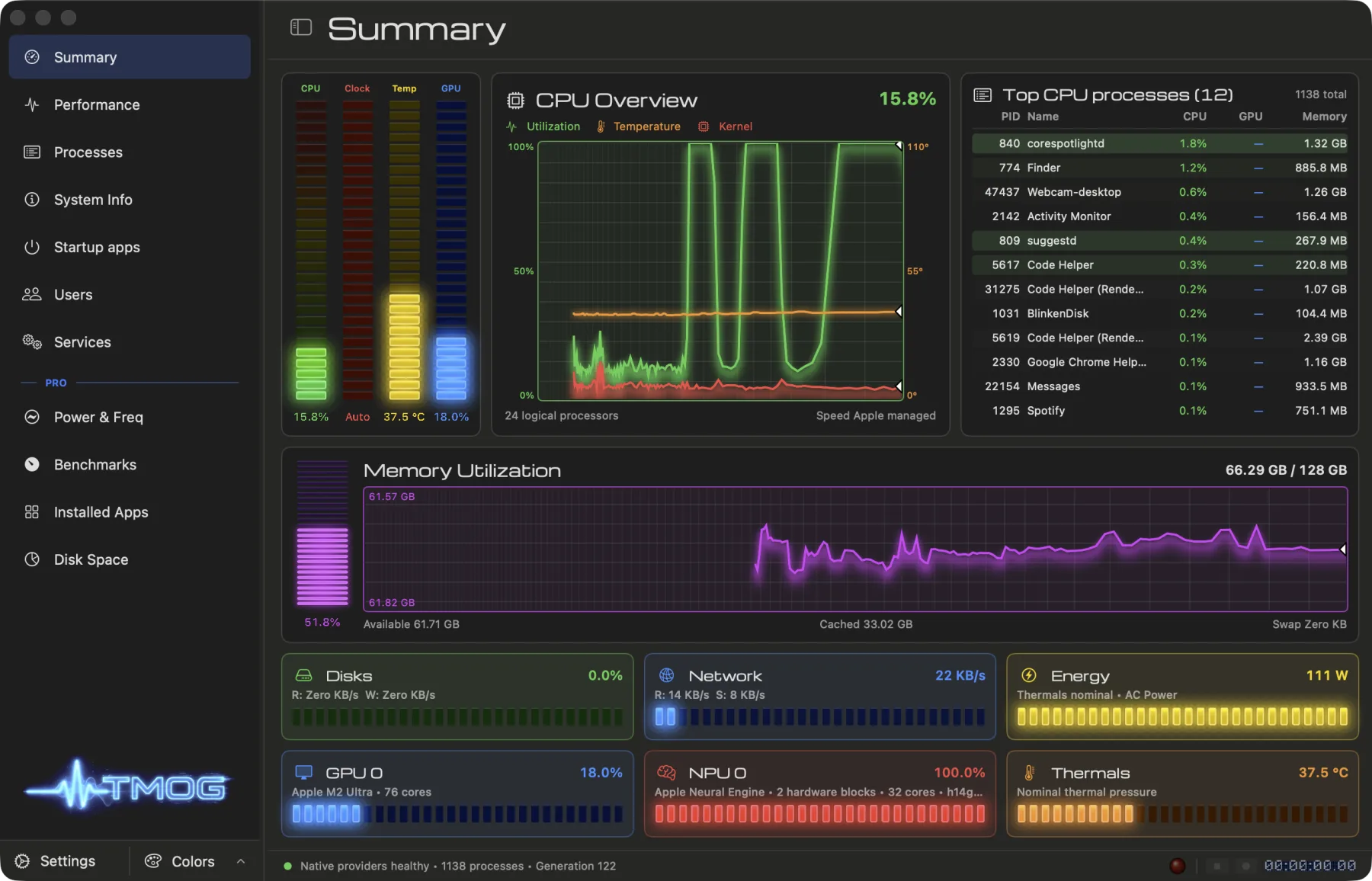
Resource monitoring has also been significantly enhanced. Process Explorer offers real-time, granular data not only for CPU and memory but also for disk I/O, network activity, and GPU usage. The interface allows for customizable columns, enabling users to display precisely the metrics they need. This level of detail is invaluable for developers and system administrators who need to pinpoint performance bottlenecks with precision. For instance, a developer troubleshooting a slow application might use Process Explorer to see if the bottleneck is in CPU processing, excessive disk reads, or high network latency, all within the same view.
The tool also introduces advanced filtering and searching capabilities. Users can quickly find specific processes by name, PID, or even by the DLLs or handles they have open. This is a significant improvement over the basic search functionality found in the standard Task Manager, making it much faster to locate and manage even hundreds of running processes.
Security and Development Considerations
From a security perspective, Process Explorer offers features that are particularly useful for identifying potentially malicious activity. The ability to see which processes have specific network connections open, or which have loaded particular DLLs, can help security professionals detect malware that might be hiding within legitimate-looking processes. The tool also provides detailed information about process privileges and security contexts.
The project is open-source, hosted on GitHub, and developed using modern C++ and Windows API features. This transparency allows for community contributions and audits, fostering trust and enabling rapid iteration. David Z. has expressed a commitment to keeping the tool free and open, aiming to provide a valuable resource to the developer and IT professional community.
The choice to build a new tool rather than contributing to the existing Windows Task Manager stems from a desire for a complete redesign. The older codebase, while stable, would have been difficult to refactor for the advanced features and modern UI/UX expected today. Process Explorer can be seen as a spiritual successor, embodying the original spirit of empowering users with system knowledge but equipped with the capabilities demanded by contemporary operating systems and applications.
One of the most surprising aspects of this project is its timing. After decades away from direct involvement with Windows system utilities, David Z. has chosen to re-enter the space with a tool that directly competes with a core Windows component. This suggests a deep-seated passion for system-level tools and a belief that there is still significant room for improvement and innovation in this area.
What This Means for Users
For developers, system administrators, and power users, Process Explorer offers a compelling alternative to the built-in Task Manager. It provides the granular data and advanced control needed to effectively manage complex systems. The open-source nature means it will likely evolve rapidly, incorporating user feedback and new features. If you’re a developer debugging a performance issue, or an IT pro trying to diagnose a network problem, this tool should be on your radar. It’s less like a simple list and more like a diagnostic workbench for your system’s processes.
The implications for the broader Windows ecosystem are interesting. While Microsoft continues to update its own Task Manager, a robust, community-driven alternative could set new standards for what users expect from system monitoring tools. It also highlights the enduring value of well-crafted, focused utilities that provide deep system insight.