
The Pervasive Problem of Shadow IT
Shadow IT, the use of hardware, software, or services without explicit IT department approval, poses a significant risk to organizations. These unmanaged assets can introduce vulnerabilities, bypass security controls, and lead to compliance issues. Security teams often operate with incomplete visibility, unaware of the full extent of their organization's technology footprint. This blind spot is not a minor inconvenience; it's a critical security gap that attackers can exploit. Unsanctioned cloud applications, personal devices connecting to the network, or unauthorized software installations all contribute to this expanding attack surface. The challenge for IT and security professionals lies in identifying and managing these rogue elements without stifling innovation or productivity.
Wazuh, an open-source security platform, addresses this challenge by providing tools and methodologies to enhance visibility into an organization's IT infrastructure. The platform's approach focuses on comprehensive asset discovery, continuous monitoring, and centralized analysis to bring shadow IT into the light. By integrating these capabilities, organizations can move from a reactive stance to a proactive one, identifying and mitigating risks before they can be exploited.
Leveraging Endpoint Inventory for Unmanaged Assets
A foundational step in reducing shadow IT visibility gaps is establishing a robust endpoint inventory. This inventory should go beyond just corporate-issued devices. Wazuh's agent-based approach allows for the deployment of agents on managed endpoints, collecting detailed information about hardware, software, network connections, and running processes. This data forms the backbone of a comprehensive asset database.
However, shadow IT often involves devices and software that do not have Wazuh agents installed. To address this, Wazuh extends its inventory capabilities through agentless monitoring techniques. By scanning the network, Wazuh can discover devices and identify installed software on systems that may not be managed by IT. This includes identifying devices that are not reporting to the central management server, a key indicator of potential shadow IT. The platform can perform network scans, check open ports, and query devices using protocols like SNMP to gather information about unmanaged assets. This dual approach – agent-based for managed systems and agentless for the rest of the network – creates a more complete picture of the organization's technology landscape.
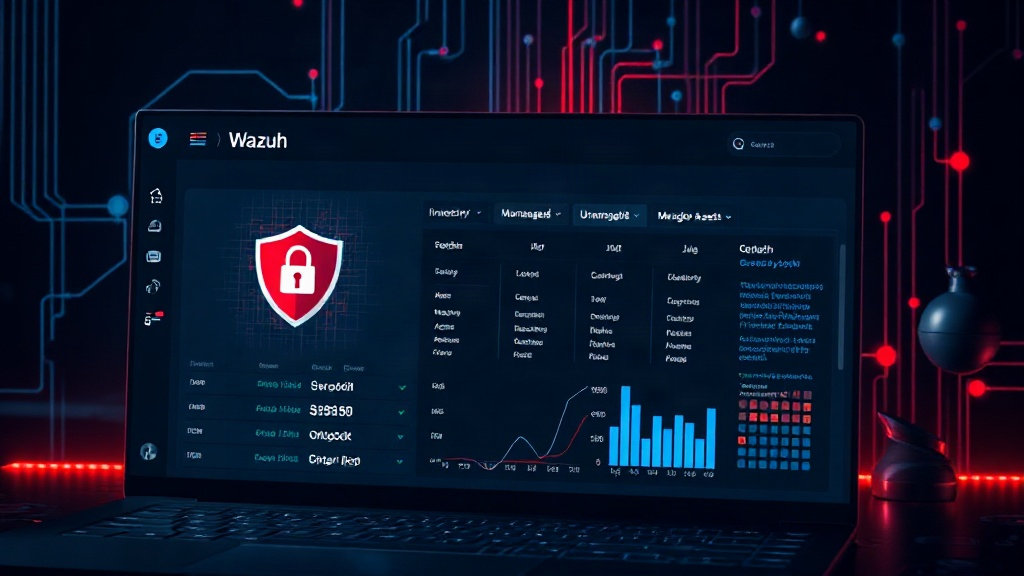
Agentless Monitoring: Discovering the Unknown
Agentless monitoring is crucial for uncovering shadow IT. Many shadow IT assets, by their nature, will not have the Wazuh agent installed. Wazuh's agentless capabilities enable security teams to discover these devices and software without requiring direct installation on every single machine. This is particularly useful for legacy systems, IoT devices, or user-owned equipment that cannot or will not have an agent deployed.
Wazuh can perform network vulnerability scans to identify active hosts, open ports, and running services. By analyzing the banner information from these services, it can often infer the type of operating system and applications running on a device. Furthermore, the platform can integrate with network access control (NAC) solutions or use network flow data to identify devices that are connecting to the network but are not recognized in the organization's authorized asset list. This proactive discovery process is akin to a digital sweep, uncovering hidden corners of the network where shadow IT might be lurking. The ability to identify unauthorized software installations or applications on these discovered endpoints is a direct countermeasure against the risks they introduce.
Centralized Analysis and Alerting for Actionable Insights
Simply discovering shadow IT assets is not enough; organizations need to analyze this information and take action. Wazuh's strength lies in its centralized analysis engine. All the data collected from agents and agentless scans is consolidated into a single platform. This allows for correlation of events and identification of anomalies that might indicate shadow IT activity.
For instance, Wazuh can be configured to alert security teams when new, unclassified devices appear on the network, or when unauthorized software is detected on an endpoint. The platform's rule engine can be customized to flag specific types of software or network connections that are known to be high-risk or are not permitted by organizational policy. This transforms raw data into actionable intelligence. Instead of sifting through mountains of logs, security teams receive targeted alerts about potential shadow IT instances. This allows them to investigate promptly, determine if the asset is indeed shadow IT, and then decide on the appropriate course of action, whether that's bringing it under management, decommissioning it, or implementing specific security controls.
Reducing Visibility Gaps: A Continuous Process
Reducing shadow IT visibility gaps is not a one-time fix; it's an ongoing process. As new technologies emerge and user demands evolve, shadow IT will continue to be a challenge. Wazuh provides a framework for continuous monitoring and improvement. Regular network scans, automated asset discovery, and adaptive alerting mechanisms ensure that the organization's visibility into its IT environment remains current.
By empowering security teams with comprehensive endpoint inventory and sophisticated agentless monitoring, Wazuh helps organizations shrink the attack surface associated with shadow IT. The platform's centralized analysis and alerting capabilities ensure that potential risks are identified quickly, enabling timely intervention. For organizations struggling to keep pace with the proliferation of unmanaged assets, Wazuh offers a practical, open-source solution to regain control and enhance their security posture.