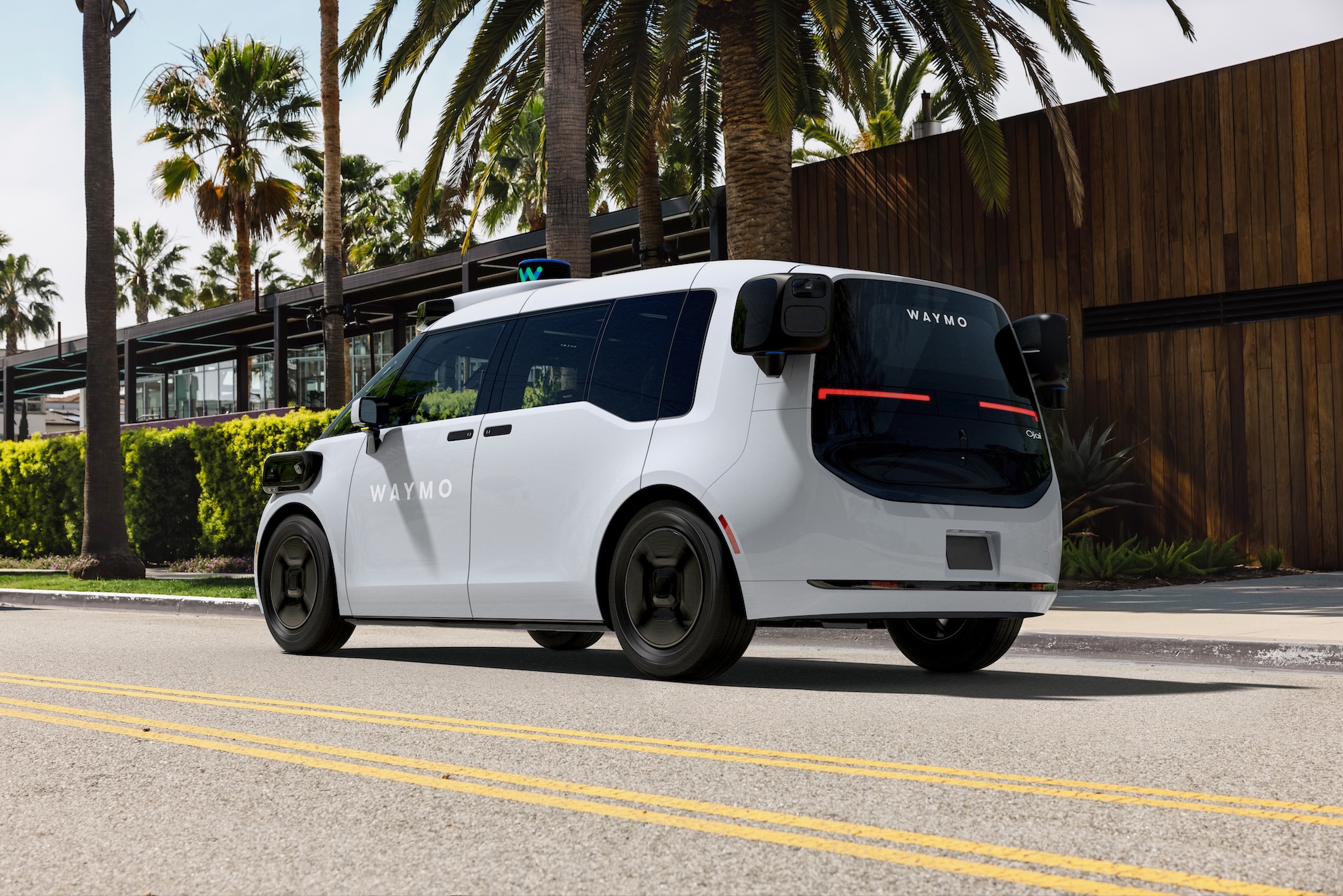
Waymo Enters the Las Vegas Market
Waymo, Alphabet's self-driving technology company, has officially launched its fully driverless robotaxi service in Las Vegas. This move marks a significant expansion for the company, establishing its 15th commercial market and placing it in direct competition with Amazon's autonomous vehicle subsidiary, Zoox, which also operates in the city.
The service, which has been in testing in Las Vegas for some time, will now offer rides to the public without a safety driver behind the wheel. Waymo's expansion into Las Vegas is a strategic play, leveraging the city's unique characteristics as a major tourist destination and a hub for entertainment and business. The high volume of traffic and the diverse driving conditions present in Las Vegas offer a rich environment for further testing and deployment of autonomous vehicle technology.
Waymo's entry into Las Vegas signifies a growing trend of autonomous vehicle companies establishing commercial operations in key urban centers. The company's existing operations in cities like Phoenix and San Francisco have provided a substantial foundation for this new launch. Las Vegas, with its complex road network, varying weather conditions, and significant pedestrian and vehicle traffic, presents a challenging yet rewarding environment for Waymo to showcase its technological capabilities.
Competitive Landscape Heats Up
Waymo's arrival in Las Vegas intensifies the competition in the autonomous ride-hailing sector. Amazon's Zoox has already been making moves in the city. Zoox began charging for its robotaxi rides in Las Vegas earlier in August 2026, marking the official launch of its commercial operations. More recently, Zoox expanded its service to include Las Vegas McCarran International Airport (LAS), a critical transportation node for the city.
The presence of multiple autonomous ride-hailing services in Las Vegas suggests the city is becoming a proving ground for the future of urban transportation. Both Waymo and Zoox will be vying for market share, offering different service areas, pricing structures, and vehicle types. Consumers in Las Vegas will soon have more choices when it comes to hailing a driverless ride.
This escalating competition is likely to drive innovation and potentially accelerate the adoption of autonomous vehicles. The focus will now shift to which company can offer a more reliable, convenient, and cost-effective service. Factors such as vehicle availability, service area coverage, safety record, and overall customer experience will be crucial in determining success.
Waymo's Strategy and Future Outlook
Waymo has consistently pursued a strategy of gradual expansion, focusing on safety and reliability before scaling up its operations. The company's extensive testing phases and its existing commercial services in other major cities indicate a well-defined roadmap for growth. Las Vegas, with its 24/7 operation and diverse urban environment, is a logical next step for Waymo to gather more real-world data and refine its algorithms.
The company's approach involves building trust with the public and regulatory bodies. By operating fully driverless services, Waymo aims to demonstrate the safety and efficiency of its technology. The integration of Las Vegas into its network is expected to provide valuable insights into operating in a city that heavily relies on tourism and hospitality, sectors that could significantly benefit from autonomous transportation solutions.
The success of Waymo and Zoox in Las Vegas could pave the way for further autonomous vehicle deployments in other major cities. As the technology matures and regulatory frameworks evolve, the landscape of urban mobility is poised for a significant transformation. The race is on to capture this burgeoning market, and Las Vegas has emerged as a key battleground.
The long-term implications for cities like Las Vegas are substantial. Autonomous vehicles could help alleviate traffic congestion, reduce parking demand, and offer new mobility options for residents and tourists alike. However, challenges remain, including public perception, the need for robust infrastructure, and the ethical considerations surrounding driverless technology. Waymo's launch is a critical step in addressing these challenges and shaping the future of transportation.