
Waymo's Global Expansion Accelerates in Singapore
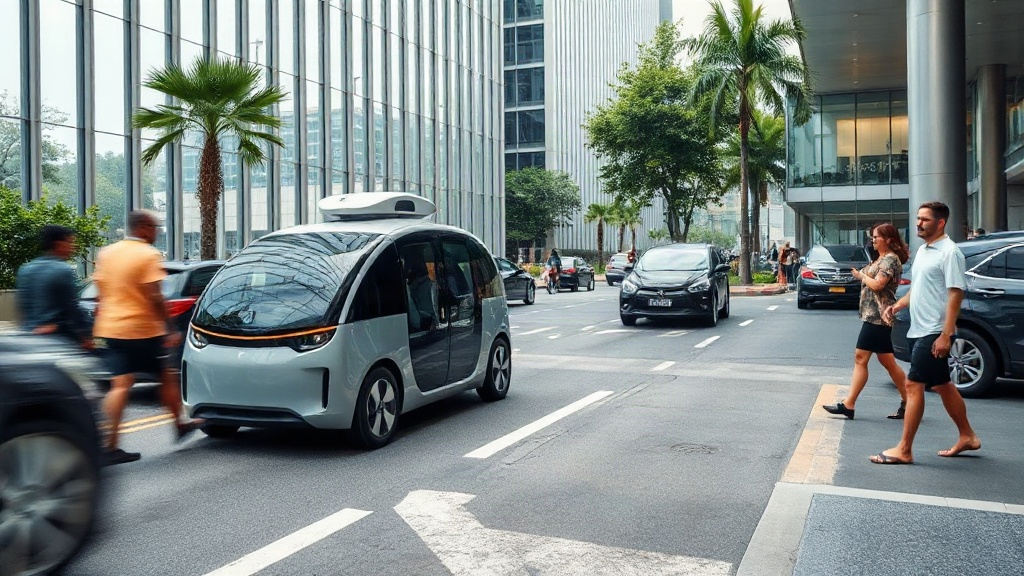
Waymo, Alphabet's self-driving technology company, has officially launched its fully driverless operations in Singapore. This move marks a significant milestone in the company's international expansion strategy, bringing its autonomous ride-hailing service to a new, bustling urban environment. Previously, Waymo had been testing its vehicles in Singapore with safety drivers present. The transition to fully driverless operations means that passengers can now hail a Waymo vehicle and travel without a human behind the wheel.
Singapore was chosen for its advanced infrastructure, tech-forward regulatory environment, and high population density. These factors make it an ideal testbed and eventual market for autonomous vehicle technology. The city-state has been actively promoting innovation in mobility, with a clear regulatory framework that supports the safe deployment of self-driving cars. Waymo's presence here is a testament to its belief in Singapore's potential as a global hub for autonomous systems.
Operational Details and Service Area
The initial service area for Waymo's driverless rides in Singapore will encompass a significant portion of the city, including key business districts, residential areas, and popular tourist destinations. The company has not disclosed the exact boundaries of this initial zone, but it is expected to cover areas where demand for ride-hailing services is high. Customers will be able to access the service through the familiar Waymo One app, which has been updated to reflect the Singaporean launch.
Waymo's fleet in Singapore will consist of Jaguar I-PACE electric vehicles, equipped with the company's latest generation of autonomous driving technology. These vehicles are designed to handle complex urban driving scenarios, including navigating dense traffic, interacting with other road users, and adhering to local traffic laws. The company has emphasized its commitment to safety, stating that rigorous testing and validation processes have been conducted to ensure the reliability and security of its service in Singapore's unique operating conditions.
Why Singapore? A Strategic Choice
Singapore presents a compelling environment for autonomous vehicle deployment. Its compact size, well-maintained road network, and widespread adoption of smart city technologies create a conducive ecosystem for self-driving cars. Furthermore, the Land Transport Authority (LTA) of Singapore has been proactive in developing regulations and guidelines for autonomous vehicles, fostering a predictable and supportive environment for companies like Waymo. This regulatory clarity is crucial for scaling operations and ensuring public trust.
The decision to launch in Singapore also reflects Waymo's strategy of diversifying its operational footprint beyond the United States. While Phoenix and San Francisco remain key markets, establishing a presence in a major Asian city like Singapore opens up new avenues for growth and learning. The challenges and opportunities presented by Singapore's dense urban landscape, diverse traffic patterns, and distinct weather conditions will provide valuable data and insights that can inform Waymo's technology development globally.
The Road Ahead for Autonomous Mobility
Waymo's expansion into Singapore is not just a company-specific event; it's a signal of the accelerating global momentum behind autonomous vehicle technology. As more cities become receptive to self-driving solutions, and as the technology matures, we can expect to see further deployments in diverse urban environments worldwide. The success of this venture will depend on several factors, including public acceptance, regulatory evolution, and the ability of Waymo to integrate seamlessly into Singapore's existing transportation network.
The implications for the future of urban mobility are profound. Fully driverless services have the potential to improve road safety, reduce traffic congestion, enhance accessibility for various demographics, and create new economic opportunities. However, challenges remain, including public perception, cybersecurity threats, and the ethical considerations surrounding autonomous decision-making. Waymo's Singapore launch will be closely watched by industry observers, competitors, and policymakers as a key indicator of the progress and future trajectory of autonomous driving.
For developers, this expansion means a growing ecosystem of autonomous services to integrate with or compete against. For founders, it signals the increasing viability of the autonomous mobility market on a global scale, potentially attracting further investment and innovation. Security professionals will need to consider the evolving threat landscape associated with connected and autonomous fleets operating in new, complex environments. Data scientists will have access to novel datasets from a unique urban setting, enabling further research into AI and machine learning for transportation.