Investor Confidence Falters Amidst AI Data Center Frenzy
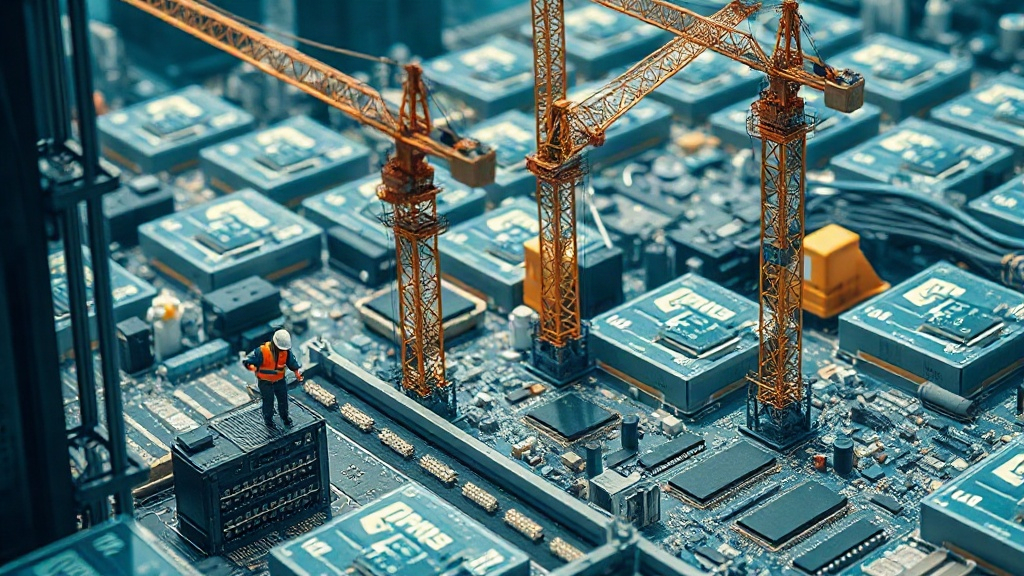
The relentless demand for artificial intelligence computing power has fueled an unprecedented boom in data center construction and investment. Wall Street, initially captivated by the seemingly insatiable appetite for AI chips and the associated infrastructure, is beginning to exhibit signs of skepticism. This shift in sentiment is driven by a confluence of factors, including the sheer scale of capital required, the long lead times for building new facilities, and emerging concerns about potential oversupply as multiple players race to meet projected demand. The narrative has been clear: AI requires massive amounts of processing power, and that power resides in specialized data centers. Companies like NVIDIA, with their high-demand AI GPUs, have become titans of the market. This, in turn, has spurred a gold rush for companies that build, operate, and finance the physical infrastructure to house these powerful machines. Hyperscalers like Microsoft, Amazon, and Google are expanding their footprints at an accelerated pace, while a host of specialized data center REITs and private equity-backed ventures are pouring billions into new projects. The expectation has been that demand would continue to outstrip supply for years to come, creating a seemingly guaranteed return on investment. However, the sheer velocity of this build-out is starting to raise red flags. Building a data center is not a simple or quick endeavor. It involves securing land, obtaining permits, managing complex construction projects, and, crucially, securing vast amounts of power. The lead times for these projects can stretch into years, meaning that capacity planned today might come online when market dynamics have shifted. Furthermore, the capital expenditure required is astronomical, putting significant strain on balance sheets and increasing financial risk.The Specter of Oversupply and Maturing Demand
As more capital flows into the sector and more projects move from blueprint to reality, the specter of oversupply looms. While AI demand is undoubtedly robust, the rate at which new capacity is being brought online could, in some regions, begin to outpace the immediate needs of AI model training and inference. This is particularly true as companies become more efficient with their hardware utilization and as the initial fever pitch of AI adoption perhaps normalizes into more predictable growth patterns. Wall Street analysts are beginning to scrutinize the long-term viability of such aggressive expansion. Questions are being raised about the concentration of risk, the sustainability of current pricing models, and the potential for a sharp correction if demand does not materialize as projected, or if alternative computing solutions emerge. The market's euphoria is giving way to a more sober assessment of the underlying economics and the inherent cyclicality of large-scale infrastructure projects. The companies that have historically thrived in the data center space have done so through careful capacity planning and long-term customer commitments. The current AI-driven surge, characterized by rapid, speculative investment, presents a different, and potentially riskier, paradigm.