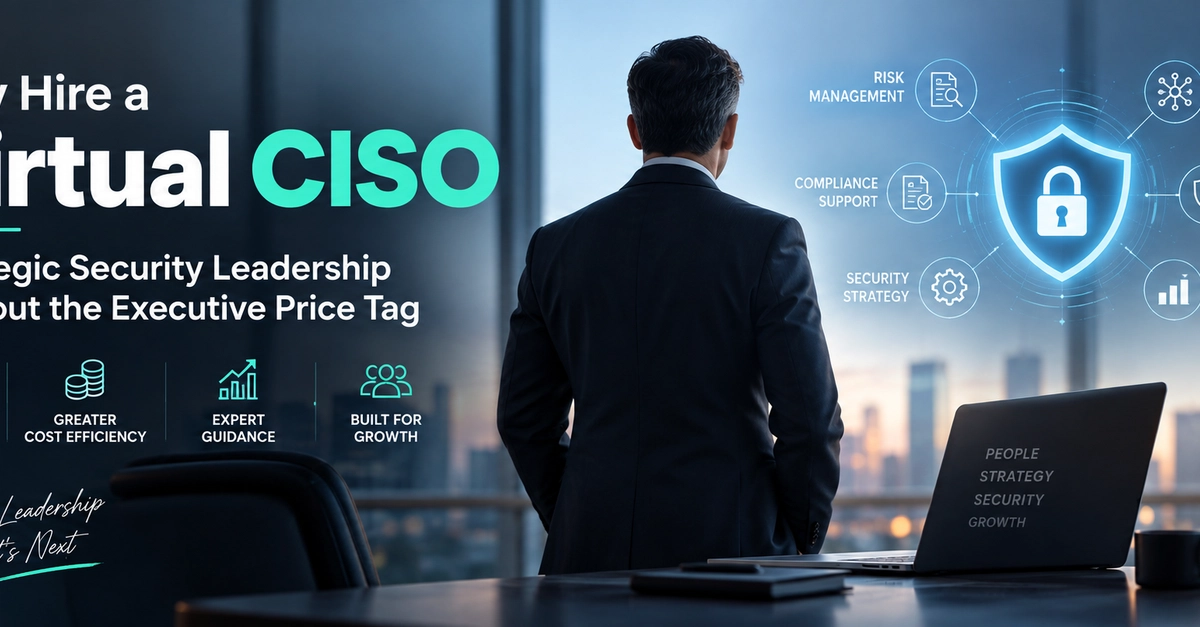
The Strategic Sweet Spot for Virtual CISOs
The traditional path to robust cybersecurity leadership often involves hiring a Chief Information Security Officer (CISO). However, for many growing organizations, this executive-level role comes with a price tag—often exceeding $350,000 annually—that is simply not feasible or justifiable. This is precisely where the Virtual CISO (vCISO) model shines, offering strategic security leadership, including strategy development, compliance management, incident response planning, and board-level communication, on a part-time or contract basis. It bridges the critical gap for companies that have outgrown ad-hoc security measures but haven't reached the scale to warrant a full-time executive.
This model is particularly relevant for companies in a specific growth phase, typically ranging from 50 to 500 employees. This stage is frequently triggered by external pressures such as enterprise sales requirements demanding higher security standards, the necessity of compliance audits (like SOC 2, ISO 27001, or HIPAA), the scrutiny of a funding round, or even a close call with a security incident. Before this point, security might be managed by IT generalists or even founders. After it, the 'do-it-yourself' approach becomes a genuine business liability, exposing the organization to significant risks and limiting its ability to compete. A vCISO effectively closes this vulnerability gap.
When Does a Virtual CISO Become Essential?
Most cybersecurity advice is geared towards large enterprises or nascent startups. The middle ground—the rapidly scaling company—is often underserved. For these organizations, the decision to engage a vCISO isn't just about ticking security boxes; it's about enabling business growth and mitigating existential risks. A vCISO provides the strategic oversight that a dedicated security executive would offer, but with a flexible engagement model. This includes:
- Developing a Comprehensive Security Strategy: Aligning security initiatives with business objectives.
- Ensuring Regulatory Compliance: Navigating complex frameworks and preparing for audits.
- Building Incident Response Capabilities: Creating playbooks and conducting tabletop exercises.
- Managing Third-Party Risk: Vetting vendors and ensuring supply chain security.
- Security Awareness Training: Educating employees to foster a security-conscious culture.
- Board and Executive Reporting: Communicating security posture and risks effectively to leadership.
The unique value proposition of a vCISO lies in their ability to bring seasoned expertise without the overhead of a full-time hire. They operate with a strategic, executive-level mindset, understanding that security must enable, not hinder, business operations. Think of a vCISO less like an employee on a fixed salary and more like a highly experienced, on-demand strategic advisor who brings a wealth of knowledge from diverse industry experiences to your specific challenges.
The Cost-Benefit Analysis of a vCISO
The financial argument for a vCISO is compelling. A full-time CISO salary can range from $200,000 to $400,000 or more, plus benefits, bonuses, and equity. This is a significant investment, particularly for companies that are still in their growth phase and need to allocate capital strategically across product development, sales, and marketing. In contrast, vCISO services are typically offered on retainer or project-based fees, which are considerably lower. These fees can range from a few thousand dollars per month for basic advisory services to tens of thousands for more intensive, hands-on engagements. This flexible pricing allows companies to scale their security investment according to their needs and budget.
Beyond the direct salary savings, there are indirect benefits. Engaging a vCISO means immediate access to expertise that might otherwise take months or years to cultivate internally. These professionals often have experience across multiple industries and threat landscapes, bringing a broader perspective than a single, in-house hire might possess. They can quickly assess an organization's security posture, identify critical gaps, and implement prioritized solutions. This accelerated path to maturity can prevent costly security breaches, reduce the likelihood of failed compliance audits, and ultimately protect the company's reputation and bottom line.
When to Look Beyond a vCISO
While the vCISO model is highly effective for a broad range of growing companies, it's not a permanent solution for every organization. As a company matures and its security needs become more complex and demanding, the transition to a full-time, in-house CISO often becomes necessary. This typically happens when the organization reaches a scale where:
- Security becomes a core, 24/7 operational function: Requiring constant oversight and immediate response capabilities.
- The complexity of the threat landscape demands dedicated focus: Such as managing a large security operations center (SOC) or complex global compliance requirements.
- The strategic importance of security dictates a permanent executive presence: To drive long-term vision and integrate security deeply into company culture and strategy.
The decision to hire a vCISO is a strategic one, designed to provide essential leadership at a critical juncture in a company's lifecycle. It offers a pragmatic, cost-effective way to achieve robust cybersecurity posture, enabling businesses to grow confidently and securely.