
The Ubiquitous Need for Version Control
Version control systems (VCS) like Git are foundational to modern software development. They allow teams to track changes, collaborate effectively, revert to previous states, and manage complex projects with confidence. But the principles behind version control—tracking history, enabling rollbacks, and managing state—are not confined to code. The discussion on Hacker News, sparked by an essay titled "Version Control for Everything Else," highlights a growing sentiment that these powerful tools could, and perhaps should, be applied to a much broader spectrum of our digital lives.
The core idea is simple: what if every piece of digital information we create or interact with could be versioned like a code repository? This isn't about replacing existing tools like Dropbox or Google Drive, which primarily offer synchronization and backup. Instead, it's about adding a robust historical layer that allows users to precisely track, review, and revert changes to any digital artifact. Imagine revisiting an old email thread and seeing not just the current state, but every edit made by every participant. Or consider personal notes, journal entries, financial records, or even creative writing projects where the ability to step back in time to a specific draft is invaluable.
The current digital landscape often treats data as ephemeral or static. When a document is overwritten, the previous version is usually lost unless manual backups were meticulously maintained. This is akin to a software project where every commit overwrites the last, making it impossible to understand the project's evolution or recover from accidental deletions or flawed edits. The Hacker News conversation reveals a collective yearning for a more resilient and transparent way to manage personal data, mirroring the benefits developers have long enjoyed with code.
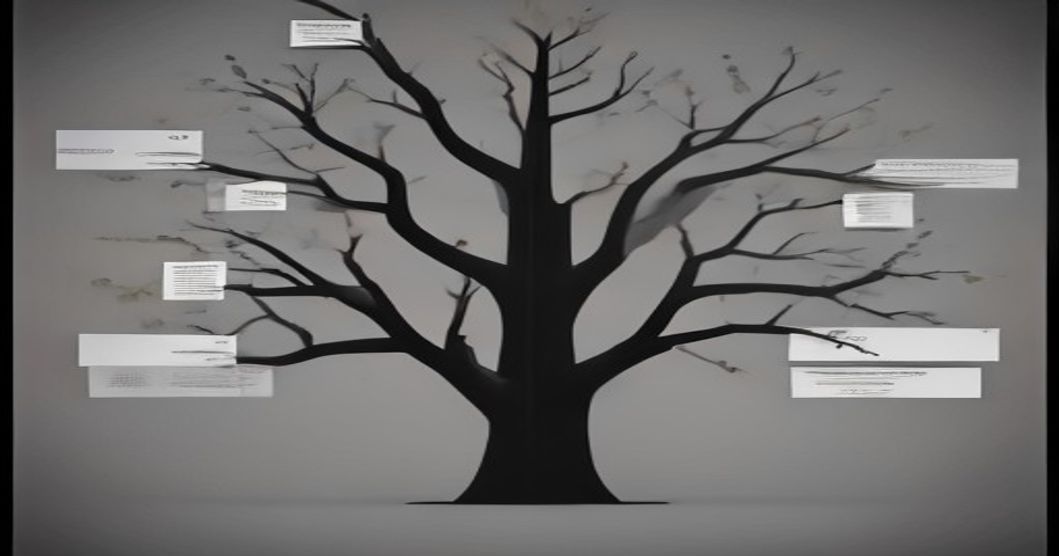
Extending Git Concepts to Daily Life
The analogy to Git is particularly potent. Git's success lies in its distributed nature, its efficient handling of large histories, and its powerful branching and merging capabilities. Applying these concepts to non-code data could manifest in several ways:
- Personal Documents: Think of essays, reports, or even resumes. The ability to see how a document evolved over weeks or months, identify when a specific paragraph was introduced, or revert to an earlier, more effective version would be a significant productivity booster. This goes beyond simple file history offered by cloud storage, providing granular control over content changes.
- Notes and Knowledge Management: For tools like Obsidian, Logseq, or even plain text files used for personal knowledge management, version control would allow users to track the growth of their ideas, see how connections between notes were formed, and recover from accidental data loss or experimental restructuring. This is especially relevant for academics, researchers, and writers who build complex webs of information.
- Communication Archives: While email clients offer some history, a true version-controlled system for messages could offer an immutable log of conversations, including edits or deletions made by participants (if designed to capture such events). This could be invaluable for legal or historical record-keeping.
- Configuration Files and System State: Beyond application code, system administrators and power users often manage configuration files for operating systems and applications. Versioning these files, perhaps using tools like `etckeeper` or custom Git setups, provides a safety net against misconfigurations.
- Creative Projects: For artists, musicians, or designers working with digital assets, version control could track the iteration process, allowing them to revisit intermediate stages of a project that might have been discarded in traditional workflows.
The technical challenges are not insignificant. Git is optimized for text files and efficient diffing. Applying it to binary files (like images or videos) or complex structured data (like databases or application state) requires different approaches. Solutions might involve storing diffs for text-based formats and full snapshots for binaries, or using specialized tooling that can understand and version specific data structures. The Hacker News discussion touches upon existing tools that attempt parts of this, such as `etckeeper` for system configurations or even using Git submodules with large binary repositories, but a unified, user-friendly solution for *all* personal data remains elusive.
The Human Element: Memory and Identity
Perhaps the most profound aspect of the discussion is the potential for version control to extend beyond mere data to aspects of personal memory and identity. While a literal Git for memories is science fiction, the concept of tracking the evolution of our thoughts, beliefs, and understanding over time resonates deeply. We often look back at old journal entries or social media posts and see how much we've changed. A system that could help us trace that evolution, not just as discrete entries but as a continuous stream of evolving thought, would be powerful.
The idea of versioning personal data also raises questions about privacy and ownership. Who controls the history of your personal information? How is it secured? If data is versioned, does that imply a right to access any past state? These are complex ethical and technical considerations that would need to be addressed for any widespread adoption.
The surprising detail here is not the technical feasibility, which is already partially addressed by existing tools, but the widespread, almost intuitive, desire for this capability across diverse user groups. Developers have long recognized the power of Git; the HN discussion shows that many others intuitively grasp its potential benefits for their non-code digital lives.
What's Next?
While a universal "Git for Everything" product doesn't exist, the conversation highlights a clear market need. Existing tools will likely continue to incorporate more sophisticated versioning features. We might see cloud storage providers offering Git-like capabilities, note-taking apps integrating robust history tracking, and new dedicated tools emerging. For individuals, the immediate takeaway is to consider how version control principles can be manually applied to critical personal data. Using Git for configuration files, backing up important documents with versioning services, or even maintaining dated archives of notes can provide a foundational level of data resilience.
The ambition is to bring the safety, transparency, and control that developers enjoy with Git to the messy, often unmanaged, world of personal digital information. This isn't just about preventing data loss; it's about understanding our digital selves and the evolution of our work and thoughts over time.