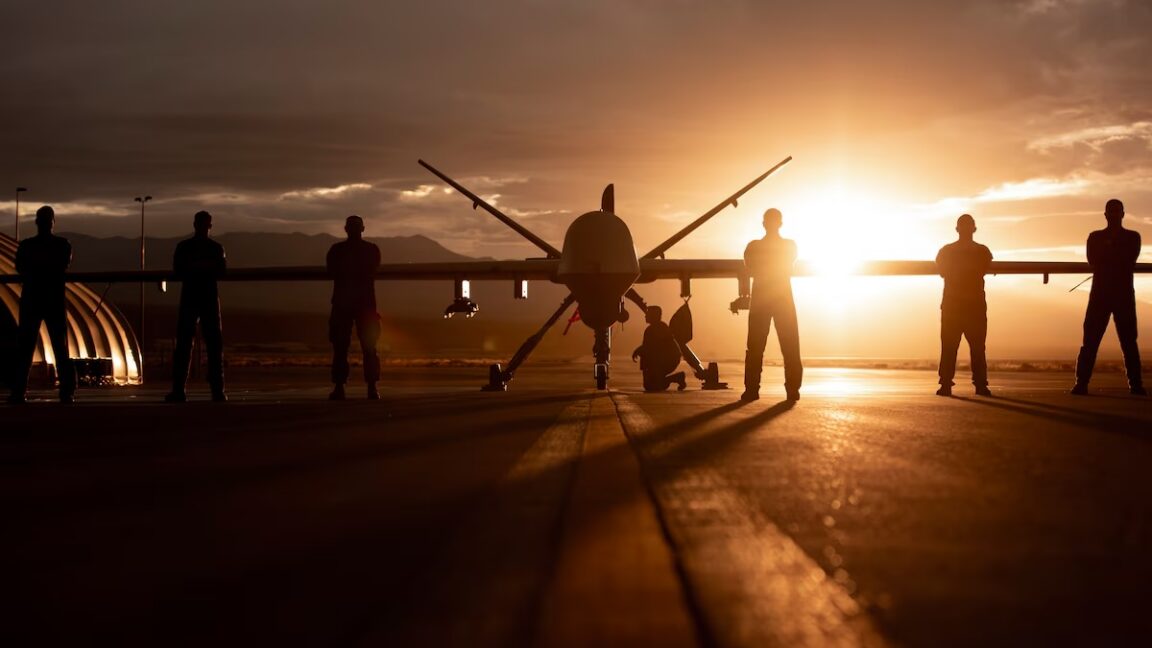
Pentagon's Drone Dilemma: The Cost of War

The U.S. military is actively seeking more affordable, expendable hunter-killer drones following substantial losses of its high-value MQ-9 Reaper aircraft. Reports indicate that Iran has destroyed approximately $1 billion worth of these sophisticated unmanned aerial vehicles (UAVs), prompting a strategic re-evaluation of the Pentagon's drone procurement and deployment strategies. The MQ-9 Reaper, a staple of U.S. air power for over a decade, is a formidable platform capable of intelligence, surveillance, reconnaissance (ISR), and precision strikes. Its destruction represents not just a financial blow but a significant operational setback.
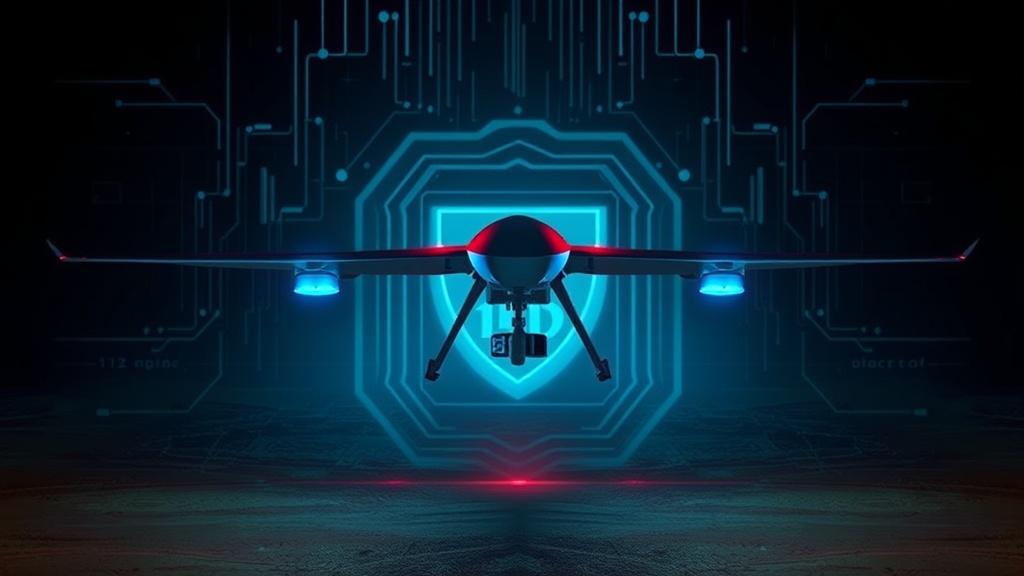
An MQ-9 Reaper drone conducting a mission over a desert landscape.
The core of the issue lies in the Reaper's cost and its vulnerability to advanced air defense systems. Each MQ-9 Reaper, along with its associated support equipment and munitions, represents a substantial investment. When these assets are lost, the financial impact is severe. More critically, the loss of these platforms in contested airspace highlights a growing gap between the capabilities of U.S. intelligence and strike assets and the evolving threat landscape, particularly from state actors possessing sophisticated integrated air defense systems (IADS). This situation is not entirely unforeseen. Military analysts have long cautioned about the increasing threat posed by advanced surface-to-air missile (SAM) systems to high-flying, relatively slow-moving drones like the Reaper. While the Reaper is designed for persistence and broad-area surveillance, its operational profile can make it a tempting target for adversaries with robust air defense networks. The recent losses in Iran underscore this vulnerability in a very costly way.

The Need for Expendable Alternatives

The Pentagon's call for cheaper, more expendable drones is a direct response to this vulnerability. The strategy appears to be shifting towards a 'quantity over quality' approach for certain mission sets, particularly in high-threat environments. Instead of relying on a few high-cost, high-capability platforms that are difficult to replace, the military is looking for numerous, less expensive drones that can be employed in swarms or used in operations where the risk of loss is high. This approach mirrors concepts seen in various defense research initiatives, including the development of loyal wingman concepts and autonomous drone swarms. The ideal replacement would likely possess a significant portion of the Reaper's ISR and strike capabilities but at a fraction of the cost. This implies a trade-off, likely in terms of endurance, payload, sensor sophistication, or survivability against advanced threats. However, for missions where the drone might be operating in a heavily defended area, or where the primary goal is to saturate enemy air defenses or conduct rapid, widespread reconnaissance, expendability becomes a key feature. Think of it less like a precision surgical instrument and more like a swarm of highly motivated, individually disposable scouts and light attackers. This shift could also drive innovation in drone design. Manufacturers may focus on modularity, rapid production, and the integration of artificial intelligence to enable autonomous operations and coordinated swarm tactics. The goal is to create drones that can overwhelm an adversary's defenses through sheer numbers or execute missions where the loss of any single unit is not mission-critical. This pivot is crucial for maintaining air superiority and operational effectiveness in future conflicts where peer or near-peer adversaries possess advanced anti-access/area denial (A2/AD) capabilities.

Broader Implications for Drone Warfare

The implications of this strategic pivot extend beyond mere procurement. It suggests a fundamental rethinking of how drones are employed in modern warfare. For years, the MQ-9 Reaper and its predecessor, the MQ-1 Predator, have been the workhorses of U.S. counter-terrorism operations, often operating in permissive airspace. Their role has been primarily to provide persistent surveillance and precision strikes against less sophisticated targets. The recent losses indicate that this era may be drawing to a close as potential adversaries field increasingly capable air defense systems. This development could spur a renewed focus on drone swarming technology. Instead of a single, high-endurance drone, imagine dozens or even hundreds of smaller, cheaper drones operating in concert. Such swarms could be used to conduct reconnaissance over vast areas simultaneously, jam enemy communications, or even overwhelm air defense systems by attacking from multiple vectors. The challenge for the U.S. military will be to develop the command and control (C2) infrastructure necessary to manage such complex operations effectively. Furthermore, the emphasis on affordability could democratize access to advanced drone capabilities. If the U.S. military can develop and field cheap, effective hunter-killer drones, it could potentially lead to the widespread adoption of similar technologies by allied nations and even non-state actors, albeit with less sophisticated versions. This raises new considerations for arms control and proliferation. The drive for cheaper drones also poses questions about the future of high-endurance, large-payload UAVs. While the Reaper's role may be diminished in high-threat zones, there will likely still be a need for platforms capable of long-duration ISR and strike missions in less contested environments. The Pentagon will need to balance its investment between these two paradigms: the expendable swarm and the high-value, survivable platform. The success of this transition will depend on rapid innovation, agile procurement processes, and a clear understanding of the evolving threats on the global battlefield.