Navy Tests Armed Unmanned Surface Vehicle in Pacific

The U.S. Navy has successfully conducted live-fire missile exercises using a sail-powered autonomous drone in the Pacific Ocean. The Saildrone Surveyor, an Unmanned Surface Vehicle (USV), was equipped with two Joint Air-to-Ground Munition (JAGM) missiles, marking a significant step in the Navy's exploration of uncrewed naval warfare capabilities. This exercise, part of broader carrier strike group testing, demonstrates the potential for autonomous platforms to extend the reach and lethality of naval forces. The Saildrone Surveyor, typically used for environmental monitoring and data collection, was adapted for this offensive role. The dual-mission capability – sailing autonomously and launching precision-guided munitions – highlights the adaptability of current uncrewed systems. The JAGM missiles are designed for precision strikes against armored vehicles and other targets, suggesting a focus on anti-surface warfare or shore bombardment roles for such platforms. This development aligns with the U.S. military's broader strategic shift towards distributed maritime operations and the integration of unmanned systems across all domains. The goal is to create a more resilient, agile, and lethal force capable of operating in contested environments. By leveraging autonomous platforms like the Saildrone Surveyor, the Navy aims to reduce risk to human crews, extend operational range, and increase the speed of decision-making and engagement.
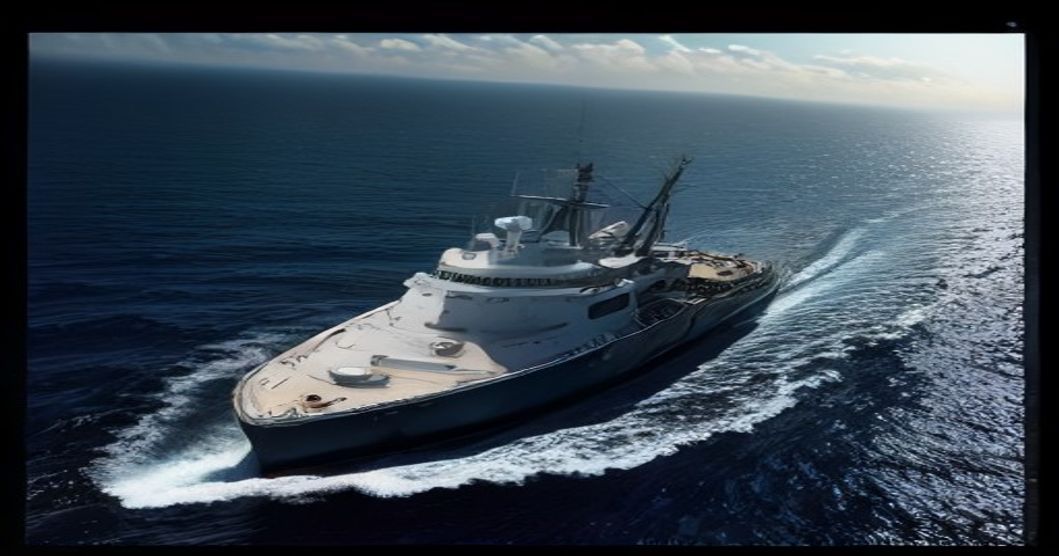
US Navy Saildrone Surveyor drone vessel at sea

Integrating Unmanned Systems with Carrier Strike Groups

The exercise was integrated into broader carrier strike group operations, indicating a move towards seamless command and control between manned and unmanned assets. Carrier strike groups are the Navy's primary offensive striking force, comprising an aircraft carrier, its associated air wing, and escort ships. The inclusion of an armed USV in these drills suggests that uncrewed platforms are no longer considered standalone experimental assets but are being incorporated into the core operational structure. This integration is critical for developing the tactics, techniques, and procedures necessary for effective joint operations. Beyond missile launches, the carrier strike group also tested electronic warfare capabilities with its USVs. This suggests a comprehensive approach to uncrewed warfare, encompassing not only offensive strike but also intelligence, surveillance, reconnaissance (ISR), electronic attack, and deception. The ability of autonomous vessels to conduct electronic warfare could provide a force multiplier, disrupting enemy communications and sensor networks while remaining relatively undetectable or expendable. The testing environment in the Pacific is a deliberate choice, given the region's strategic importance and the evolving geopolitical landscape. The Navy is focused on developing capabilities that can deter potential adversaries and respond effectively to contingencies in this vast and complex theater. The use of a sail-powered drone adds another layer of strategic advantage, as its low power consumption and reliance on wind can enable extended loiter times and reduced logistical footprint compared to conventionally powered vessels.

Implications for Naval Warfare and Autonomy

The successful test raises several critical questions about the future of naval warfare. The ability to launch precision munitions from a platform that can operate for extended periods with minimal human oversight and a reduced logistical tail is a game-changer. It allows for the projection of power into areas that might be too dangerous for manned vessels or where the logistical support for traditional strike assets is strained. This development also underscores the rapid advancements in AI and autonomous control systems. While the Saildrone Surveyor itself is a sophisticated piece of hardware, its effective integration into a live-fire exercise requires advanced software for navigation, target acquisition, weapon release, and communication. The Navy's commitment to developing and testing these systems in real-world scenarios is a clear signal of its intent to lead in the domain of autonomous naval operations. The surprising detail here is not merely the launch of missiles from a drone sailboat, but the integration of such a platform into the operational tempo and command structure of a carrier strike group. This moves beyond theoretical potential and into practical application, demonstrating a tangible shift in how naval power is conceived and projected. The long-term implications for fleet architecture, training, and international maritime law are profound and will continue to unfold as these technologies mature and are deployed more widely. The Navy's ongoing investment in and testing of armed USVs, particularly those with extended endurance capabilities like sail-powered variants, signals a strategic pivot. The focus is on building a more distributed, resilient, and adaptable force. The Saildrone Surveyor's role in this exercise, moving from data collection to offensive action, is a testament to the versatility that uncrewed systems can bring to modern military operations. The combination of stealthy, long-endurance sailing with lethal precision strike capability represents a new class of naval asset. If you are a naval strategist or defense contractor, this test indicates a clear direction: expect more autonomous systems, more distributed operations, and a greater emphasis on leveraging uncrewed platforms for both ISR and offensive missions. The traditional fleet structure is evolving, and the ability to integrate and command these new assets will be paramount. The psychological impact on potential adversaries of facing an enemy that can strike from multiple, unexpected, and potentially expendable platforms is also a significant factor to consider. This exercise is more than just a demonstration; it is a validation of a strategic vision. The U.S. Navy is actively building a future where uncrewed systems are not just supplementary but integral to its operational success. The integration of the Saildrone Surveyor into carrier strike group exercises is a concrete step towards that future, expanding the Navy's offensive footprint and its capacity for persistent surveillance and engagement in critical maritime regions.