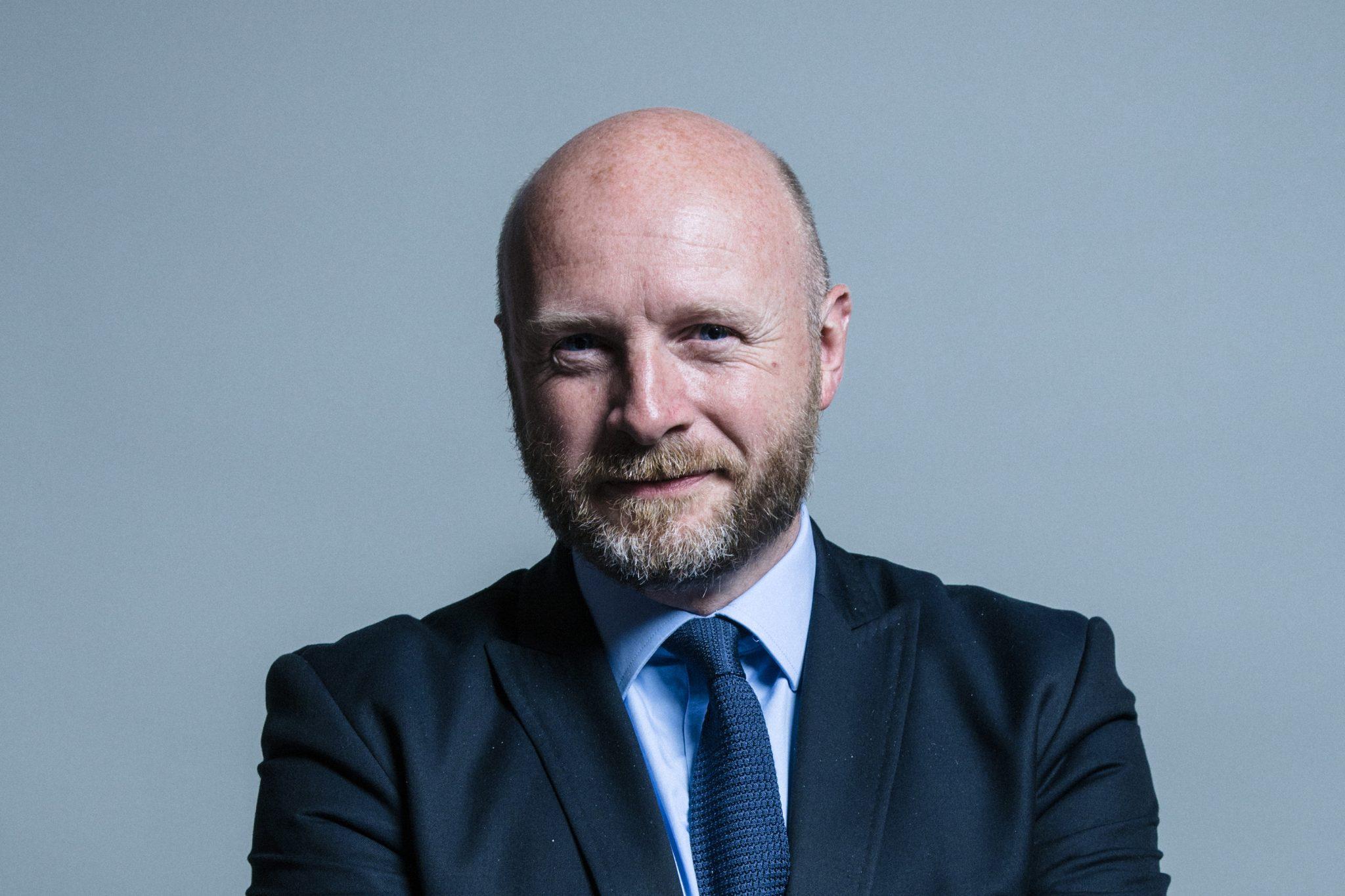
Parliamentary Scrutiny Demanded for UK's AI Security Institute
A senior British Member of Parliament has called for the nation's AI Security Institute (AISI) to face parliamentary questioning. This demand comes as scrutiny intensifies regarding the adequacy of the UK's safeguards against increasingly powerful artificial intelligence technologies. The move signals growing unease among policymakers about the pace of AI development and the robustness of existing safety protocols.
The MP, who is pushing for this scrutiny, expressed concerns that the UK's regulatory and security infrastructure may not be keeping pace with the rapid advancements in AI capabilities. The call for parliamentary oversight highlights a broader debate about how governments should govern and control the development and deployment of advanced AI systems, particularly those with the potential for significant societal impact or unforeseen risks.
In a statement, the MP emphasized the need for greater transparency and accountability from the AISI. The institute, established to address AI safety, is now under pressure to demonstrate its effectiveness and preparedness in the face of escalating AI power. The MP's remarks suggest a perception that the institute's current efforts might be insufficient to meet the challenges posed by cutting-edge AI, including potential misuse, unintended consequences, and existential risks.
The urgency behind this call is underscored by the rapid evolution of AI. Experts and policymakers alike are grappling with the implications of AI systems that are becoming more sophisticated, autonomous, and capable of performing tasks previously thought to be exclusive to human intelligence. This accelerating progress necessitates a re-evaluation of security frameworks and a proactive approach to risk mitigation.
Concerns Over AI Safety and Regulatory Gaps
The core of the MP's concern lies in the perceived gap between AI's technological progression and the government's ability to regulate and secure it. The AI Security Institute was created with the aim of being a central hub for AI safety research, incident response, and guidance. However, the MP suggests that its current mandate and operational capacity might not be sufficient to address the full spectrum of risks, from sophisticated cyber threats to the potential for AI to be misused in ways that could destabilize critical infrastructure or societal functions.
The MP pointed to the need for the AISI to actively engage with a wider range of stakeholders, including independent AI safety researchers, ethicists, and international bodies. This broader engagement is seen as crucial for developing comprehensive and effective safety measures. The call for parliamentary hearings aims to bring these issues into the public and political spotlight, encouraging a more robust national conversation about AI governance.
The MP cited the AISI's proactive engagement with organizations like the Alan Turing Institute and the Centre for Data Ethics and Innovation as positive steps. However, the sentiment expressed is that these collaborations, while valuable, may not fully encompass the breadth of expertise and foresight required. The MP's argument is that a more rigorous and public examination of the AISI's strategies and capabilities is necessary to ensure the UK remains at the forefront of AI safety, rather than playing catch-up.
The establishment of the AISI in 2021 by the UK government was a significant step, intended to consolidate expertise and resources for AI safety. The institute's initial focus was on understanding and mitigating risks, particularly concerning the safe development and deployment of AI models. However, as AI capabilities have surged, particularly with the advent of advanced large language models and generative AI, the scope of potential risks has expanded dramatically, prompting a re-evaluation of the AISI's preparedness.
The Evolving Landscape of AI Risk
The rapid development of AI presents a dynamic and often unpredictable risk landscape. What was considered a cutting-edge AI capability just a year ago can now be commonplace, with new breakthroughs emerging at an unprecedented rate. This acceleration means that regulatory bodies and safety institutes must constantly adapt, anticipate future risks, and develop strategies that are not only reactive but also predictive.
The MP’s call for scrutiny is not about undermining the AISI but rather about ensuring it is equipped to handle the immense challenges ahead. The parliamentary questioning is intended to foster a more proactive and robust approach to AI security, ensuring that the UK government's strategy is comprehensive and forward-looking. This includes examining the AISI's funding, its research priorities, its ability to attract and retain top talent, and its effectiveness in translating research into actionable safety guidelines and policies.
The broader implications of AI safety extend beyond national security. They encompass economic stability, ethical considerations, and the very fabric of society. As AI systems become more integrated into critical sectors like finance, healthcare, and transportation, the potential for catastrophic failure or malicious exploitation grows. Therefore, the effectiveness of institutions like the AISI is of paramount importance.
The current debate reflects a global challenge. Nations worldwide are struggling to establish effective governance frameworks for AI. The UK's efforts, through the AISI, are part of this larger international conversation. The call for scrutiny from a senior MP suggests that the UK is at a critical juncture, needing to ensure its national AI safety infrastructure is not just present but also highly effective and adaptable to the ever-changing AI frontier.
What remains unclear is whether the current model of a dedicated AI Security Institute, even with increased parliamentary oversight, can truly keep pace with the exponential growth of AI capabilities. The fundamental question is whether human-led regulatory bodies can ever fully anticipate and control systems that might, in the future, surpass human intelligence.