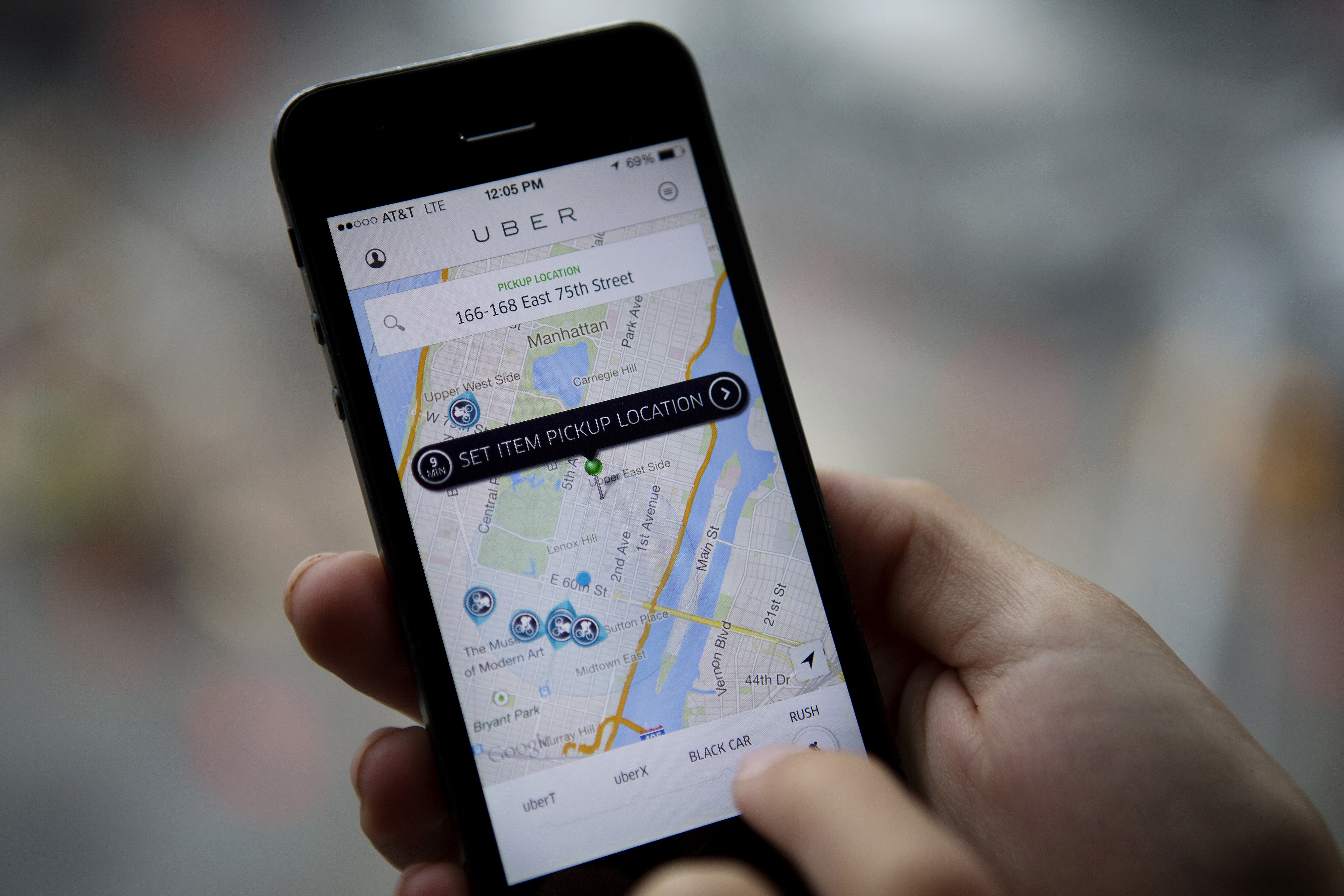
GDPR Violation: Automated Driver Suspensions Under Scrutiny
Uber has been hit with a substantial €825 million (approximately $977 million USD) fine by the Dutch Data Protection Authority (AP). The penalty stems from the company's practice of suspending drivers based on algorithmic decisions, without sufficient human review. This action represents one of the largest GDPR penalties ever issued and highlights the increasing scrutiny on how companies deploy automated decision-making systems that impact individuals' livelihoods.
The core of the violation lies in Uber's use of algorithms to make critical decisions about driver employment. Specifically, the AP found that Uber suspended drivers based on data it collected, such as customer complaints or GPS data, without providing drivers with a clear avenue for human intervention or appeal. This practice, according to the Dutch regulator, infringes upon the General Data Protection Regulation (GDPR), which mandates transparency and the right to human review for automated decisions that have significant effects on individuals.
The Dutch Data Protection Authority’s investigation focused on Uber's automated systems and their impact on drivers. The authority concluded that Uber failed to adequately inform drivers about the processing of their personal data and the logic behind the automated decisions that could lead to their suspension. Furthermore, the lack of a meaningful human review process for these suspensions meant that drivers were left without recourse when faced with an automated decision that could abruptly end their ability to earn a living.
The GDPR Framework and Automated Decision-Making
The GDPR, enacted in 2018, provides a comprehensive legal framework for data protection and privacy in the European Union. A key aspect of the regulation is its stance on automated individual decision-making, including profiling, as outlined in Article 22. This article grants individuals the right not to be subject to a decision based solely on automated processing, including profiling, which produces legal effects or similarly significantly affects them, unless certain conditions are met.
These conditions typically involve obtaining explicit consent, the decision being necessary for the performance of a contract, or being authorized by EU or Member State law. Even when these conditions are met, individuals generally have the right to obtain human intervention, express their point of view, and contest the decision. Uber's automated suspension system appears to have fallen short of these requirements, by relying heavily on algorithms without ensuring adequate human oversight and a fair process for drivers.
The €825 million fine is significant not only in its monetary value but also as a signal from regulators across Europe. It underscores that companies cannot abdicate responsibility for algorithmic decisions by claiming they are purely automated. The principle of accountability under GDPR means that organizations must be able to demonstrate compliance, and this includes ensuring that automated systems are fair, transparent, and do not disproportionately harm individuals.

Uber's Response and Broader Implications
While specific details of Uber's response to the fine are still emerging, the company has historically defended its use of technology to ensure safety and efficiency on its platform. However, regulatory bodies worldwide are increasingly scrutinizing such practices. The Dutch AP's decision sets a precedent, potentially encouraging similar investigations and actions in other EU member states where Uber operates.
This ruling directly impacts how gig economy platforms can leverage AI and automation. It suggests that while algorithms can be powerful tools for managing large workforces, they must be implemented with robust safeguards that respect individual rights. For Uber, this means a likely overhaul of its driver management systems to incorporate more human oversight and clearer appeal processes. The company must now ensure that its automated systems are not the sole arbiters of a driver's fate on the platform.
The implications extend beyond Uber. Other companies relying on automated decision-making for employment, customer service, or credit scoring, among other areas, will need to review their practices. The expectation from regulators is clear: automation should augment human decision-making, not replace it entirely, especially when significant consequences for individuals are at stake. The €825 million fine serves as a stark reminder of the legal and ethical responsibilities that accompany the deployment of advanced technologies.
The Unanswered Question of Algorithmic Accountability
What remains to be seen is how Uber will fundamentally change its approach to algorithmic management. Will this fine merely lead to superficial changes, or will it prompt a deeper re-evaluation of how driver performance and conduct are assessed? The company’s ability to adapt its systems while maintaining operational efficiency will be a key challenge. Furthermore, this case may pave the way for more standardized regulations around AI use in employment across the EU, moving beyond the broad strokes of GDPR to more specific guidelines for algorithmic fairness and transparency.