Uber Halves African Presence in Strategic Pivot
Uber has abruptly shuttered its operations in Nigeria and Uganda, a move that effectively halves its presence on the African continent. This significant withdrawal occurred on the same day the ride-sharing giant announced a massive global workforce reduction, cutting approximately 3,300 jobs, or 10% of its total headcount. The company frames these drastic measures as a necessary step to streamline management and reallocate resources towards its future growth engines: ride-sharing, delivery services, and critically, its burgeoning autonomous vehicle division.
The simultaneous exit from two key African markets and the substantial layoffs signal a profound strategic shift for Uber. While the company has historically pursued aggressive expansion, this action demonstrates a willingness to prune underperforming or non-core markets to consolidate investment in areas deemed vital for long-term profitability and market leadership. The Nigerian and Ugandan markets, while representing potential growth, have evidently been deemed less critical than the pursuit of a driverless future, a technological frontier where Uber aims to reclaim a leading position.
This strategic pivot is not merely about cutting costs; it's about aggressively funding a technological bet. The 3,300 employees laid off represent a significant portion of Uber's workforce, a move that frees up substantial capital and operational focus. This capital is earmarked for further development and deployment of its robotaxi technology, a sector that promises to redefine urban mobility but requires immense, sustained investment in research, development, and infrastructure.
The Rationale: Streamlining for Autonomous Ambitions
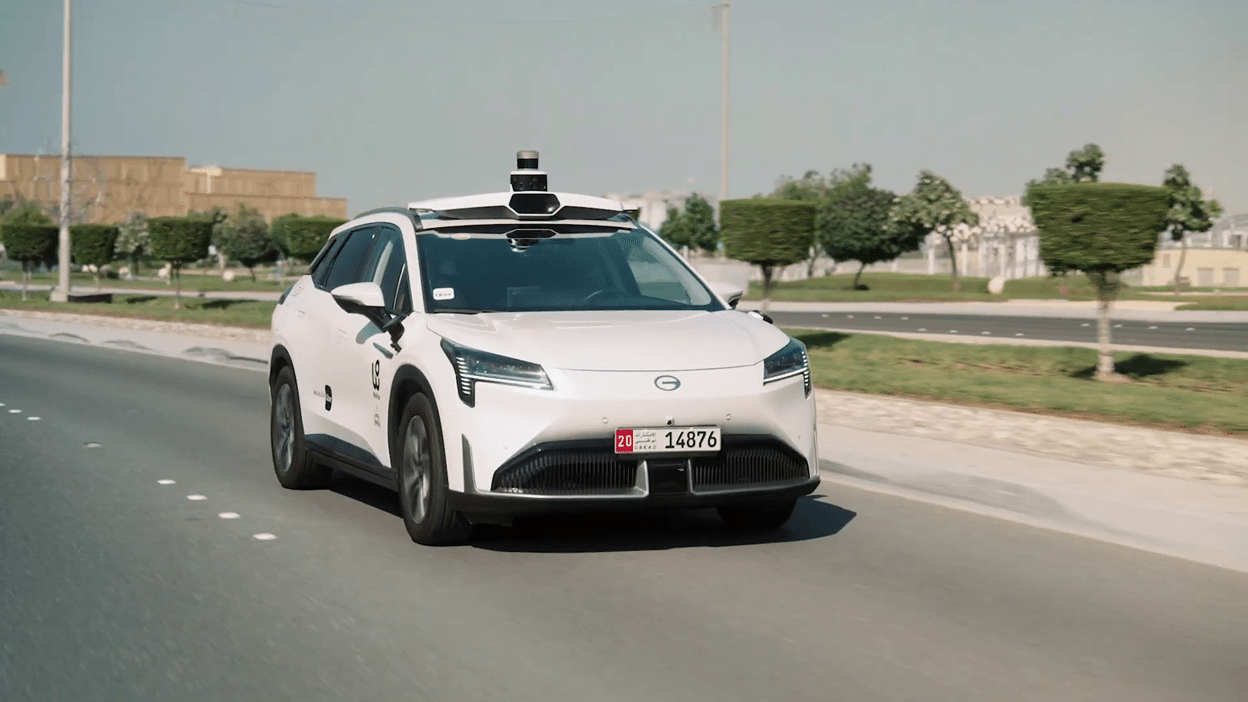
Uber's leadership has been vocal about the transformative potential of autonomous vehicles. The company envisions a future where its platform is powered by a fleet of self-driving cars, drastically reducing operational costs associated with driver compensation and increasing service availability. This vision, however, demands enormous capital expenditure. The layoffs are a direct consequence of this investment strategy, aimed at optimizing the company's financial structure to support this ambitious technological transition.
By reducing its global workforce, particularly by flattening management layers as reported by TechCrunch, Uber seeks to increase operational efficiency and agility. This leaner structure is intended to accelerate decision-making and execution, crucial for a company operating in highly competitive and rapidly evolving markets like ride-sharing and autonomous technology. The funds saved from personnel costs and the operational savings from exiting markets like Nigeria and Uganda will be channeled into R&D for its Advanced Technologies Group (ATG), which spearheads its robotaxi initiatives.
The decision to exit Nigeria and Uganda, while seemingly abrupt, likely reflects a data-driven assessment of market potential versus investment requirements. Operating in diverse regulatory environments and managing complex logistics across multiple countries demands significant resources. By consolidating its efforts, Uber can concentrate its resources on fewer, more strategic markets where it believes it can achieve greater scale and impact, particularly in the development and eventual rollout of its autonomous fleet.
Broader Implications for Uber's Global Strategy
Uber's African map has effectively been halved by these exits. While the company has previously scaled back operations in other regions, this simultaneous withdrawal from two countries, coupled with such significant job cuts, underscores the gravity of its strategic redirection. The company is signaling that its future growth will be driven by technological innovation and efficiency, rather than broad, untargeted geographic expansion.
For the ride-sharing and delivery sectors, this move reinforces the trend of consolidation and strategic focus. Companies are increasingly prioritizing profitability and sustainable growth over sheer market share. Uber's bet on robotaxis is a high-stakes gamble, and its success hinges on its ability to out-innovate and out-invest competitors in the race to deploy commercially viable autonomous fleets. The company's ability to navigate regulatory hurdles, ensure safety, and achieve widespread public acceptance of self-driving vehicles will be critical.
The departure from Nigeria and Uganda leaves a void in the local mobility landscape. It also raises questions about the long-term strategy for other emerging markets where Uber operates. Will similar rationalizations follow if those markets do not meet stringent profitability and strategic alignment criteria? The company's focus now appears to be on perfecting its core offerings and pioneering the future of autonomous transportation, a future that requires significant upfront investment and a willingness to make difficult choices about its current operational footprint.
The Human Cost of Technological Advancement
The layoff of 3,300 individuals is a stark reminder of the human element in the relentless pursuit of technological advancement. While the drive towards automation promises efficiency and innovation, it comes at the immediate cost of livelihoods for thousands of employees. These individuals, who contributed to Uber's growth and operations, now face the challenge of navigating a complex job market, a situation exacerbated by broader economic uncertainties.
The timing of these layoffs, coinciding with market exits, suggests a deliberate and calculated restructuring. It highlights the difficult decisions faced by leadership in balancing long-term strategic goals with the immediate impact on their workforce. For the tech industry at large, this event serves as a case study in how ambitious technological leaps, particularly in areas like AI and autonomous systems, necessitate significant capital reallocation and, often, workforce adjustments.
What remains to be seen is how effectively Uber can translate these aggressive cost-cutting measures and strategic exits into tangible progress in its driverless ambitions. The path to a fully autonomous ride-sharing future is fraught with technological, regulatory, and societal challenges. Uber's ability to overcome these obstacles, while managing its human capital and investor expectations, will determine its success in this transformative endeavor.