
Throne Science Secures $10 Million Series A for AI-Powered Gut Health Monitoring
Throne Science, a health tech startup co-founded by former Whoop CTO John Capodilupo, has announced a $10 million Series A funding round. The investment, exclusively revealed by Crunchbase News, was led by Will Ventures, with participation from Emerson Collective, Workshop, LEAD VC, Salt VC, Accomplice, and Moxxie Ventures. This funding marks a significant step for Throne Science as it aims to commercialize its AI-powered toilet camera technology designed to track gut health and hydration levels.
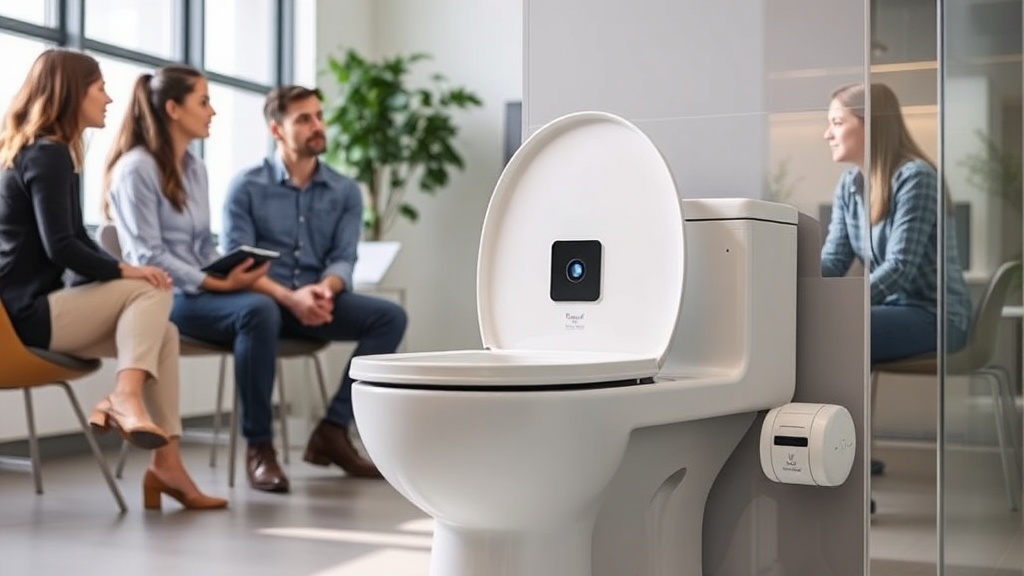
The company's core innovation lies in its ability to analyze waste in real-time, providing users with actionable insights into their digestive health without invasive procedures. The AI-powered camera, integrated into a discreet device that attaches to the toilet bowl, captures data on stool consistency, frequency, and other indicators of gastrointestinal well-being. This data is then processed to identify patterns and potential issues, offering a novel approach to proactive health management.
John Capodilupo, CEO and co-founder of Throne Science, brings a wealth of experience from his tenure at Whoop, a company known for its advanced wearable fitness trackers. His background in developing sophisticated biometric tracking and data analysis is expected to be instrumental in scaling Throne Science's technology and translating raw data into meaningful health recommendations for consumers. The vision is to make gut health monitoring as routine and accessible as tracking steps or heart rate.
Gut health has emerged as a critical area of focus in wellness and medicine, with growing scientific evidence linking the microbiome to a wide range of health outcomes, including immune function, mental well-being, and chronic disease risk. However, traditional methods of gut health assessment, such as stool sample analysis or endoscopies, can be inconvenient, expensive, or uncomfortable. Throne Science aims to bridge this gap by offering a seamless, at-home solution.
The Technology Behind Throne Science
The Throne Science system comprises a small, unobtrusive camera unit that attaches to the underside of a standard toilet seat. Upon detecting use, the camera activates and captures high-resolution images of fecal matter and urine. Advanced computer vision algorithms then analyze these images, looking for characteristics such as color, shape, consistency, and volume. This information is cross-referenced with hydration markers and user-provided context through a companion mobile application.
The AI model is trained on a vast dataset of anonymized gut health indicators, allowing it to identify deviations from a user's baseline and flag potential concerns. For instance, changes in stool form, such as those described by the Bristol Stool Scale, can be automatically logged and analyzed. The system also monitors hydration by analyzing urine color and volume. The goal is not to diagnose medical conditions but to empower users with data and encourage them to seek professional medical advice when necessary.
One of the significant challenges in developing such a system is ensuring accuracy and privacy. Throne Science emphasizes that all data collected is anonymized and encrypted, adhering to strict privacy protocols. The AI is designed to be a personal health companion, helping users understand their bodies better rather than providing definitive medical diagnoses. The company is working with medical professionals to validate its algorithms and ensure the insights provided are scientifically sound and clinically relevant.
Market Opportunity and Future Outlook
The market for health and wellness technology continues to expand rapidly, with consumers increasingly seeking personalized and data-driven solutions. The gut health sector, in particular, is experiencing significant growth, driven by consumer awareness and scientific research. Throne Science is positioning itself at the intersection of these trends, offering a unique product that addresses a fundamental aspect of health in an innovative way.
Competitors in the gut health space include companies offering microbiome testing kits, probiotic supplements, and specialized dietary plans. However, Throne Science's continuous, passive monitoring approach differentiates it. Instead of periodic testing, it provides ongoing data, allowing for earlier detection of changes and more dynamic health management. This continuous feedback loop is akin to how wearables track heart rate or sleep, but applied to a different, yet equally crucial, physiological function.
The $10 million Series A funding will be used to scale manufacturing, expand the engineering and data science teams, and further develop the AI's capabilities. Throne Science also plans to explore partnerships with healthcare providers and corporate wellness programs to integrate its technology into broader health ecosystems. The company's long-term vision includes expanding its data analysis to encompass more comprehensive health metrics derived from waste, potentially offering insights into nutritional absorption, inflammation markers, and even early disease detection.
Capodilupo's move from a leading wearable company to a novel at-home diagnostics startup highlights a growing trend: the decentralization of health monitoring. As technology advances, more health insights are moving from clinical settings into the hands of consumers, enabling them to take a more active role in managing their well-being. Throne Science's AI toilet camera represents a bold step in this direction, turning a daily necessity into a powerful health data collection opportunity.
Unanswered Questions and Next Steps
While the potential of Throne Science's technology is considerable, several questions remain as the company scales. How will regulatory bodies view continuous, AI-driven analysis of human waste for health insights? What level of clinical validation will be required for widespread adoption, particularly if the company aims to integrate with healthcare systems? Furthermore, the success of such a product hinges not only on technological accuracy but also on user comfort and willingness to engage with such intimate data collection.
The company's ability to maintain user trust regarding data privacy and security will be paramount. The sensitive nature of the data collected necessitates robust privacy safeguards and transparent communication with users about how their information is used and protected. The surprise here is not the funding amount, which is typical for a Series A in this sector, but the direct application of advanced AI and computer vision to such a fundamental, yet often overlooked, aspect of human health.
Throne Science's journey from concept to a funded startup is a testament to the evolving landscape of digital health. By leveraging AI and sophisticated sensor technology, the company aims to unlock a new frontier in personal health monitoring, making proactive gut health management accessible and convenient for everyone. The coming months will reveal more about their go-to-market strategy and initial user adoption as they prepare to ship their first commercial units.