The Ubiquitous Webhook
Webhooks have become the connective tissue of modern software architecture. They enable real-time data synchronization and event-driven workflows, allowing disparate services to communicate asynchronously. From payment gateways notifying merchants of transactions to CI/CD pipelines triggering deployments, webhooks are indispensable. However, their very ubiquity masks a growing complexity that threatens to create a 'valley of webhooks' – a state where the potential benefits are overshadowed by development friction and operational overhead.
The core concept is elegant: a service sends an HTTP POST request to a predefined URL when a specific event occurs. This push-based model contrasts with traditional polling, where a client repeatedly checks for updates. For developers, this means immediate notifications and more efficient resource utilization. Yet, as systems scale and integrate with more third-party services, managing these incoming webhooks becomes a significant challenge.
The Growing Pains of Webhook Management
The primary issue lies in the inherent variability and potential unreliability of webhook implementations. Developers often face a barrage of incoming requests that require careful parsing, validation, and routing. Each service might have its own payload format, authentication mechanism, and error handling strategy. This heterogeneity transforms what should be a simple integration into a complex debugging exercise.
Consider the common scenario of integrating with a SaaS product. You receive a webhook, but the payload is missing a critical field. Is it a bug in the sending service, or did your parsing logic fail? You need to inspect logs, potentially replay the event, and consult documentation that might be outdated. This is not an isolated incident; it's a recurring theme across many integrations.
Furthermore, ensuring the reliability and security of webhook endpoints is paramount. A robust system must handle retries, dead-letter queues, and idempotency to prevent data loss or duplicate processing. Security is also a major concern: verifying the origin of webhooks through signatures or shared secrets is essential to prevent spoofing and unauthorized actions. Each of these considerations adds significant engineering effort.
The 'Valley' and Its Consequences
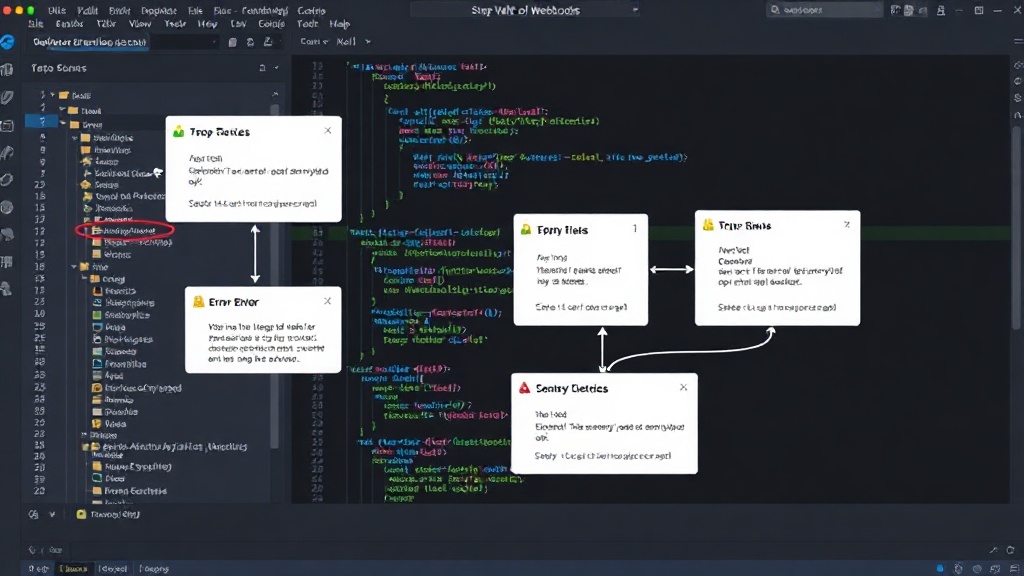
The 'Valley of Webhooks' is characterized by several symptoms. Developers spend an inordinate amount of time troubleshooting webhook delivery and parsing issues rather than building core product features. Operational teams struggle to monitor the health of hundreds or thousands of webhook endpoints, leading to increased downtime and reduced system responsiveness. The initial promise of asynchronous communication devolves into a synchronous debugging loop.
This friction has tangible consequences. It slows down product development cycles, increases the cost of integration, and can lead to a reluctance to adopt new services that rely heavily on webhooks. Companies might even opt for less efficient polling mechanisms or build brittle, custom integrations to avoid the perceived complexity of webhook management.
The problem is exacerbated by the fact that most webhook receivers are simple HTTP endpoints. They lack the built-in resilience, observability, and developer tooling that more mature messaging systems offer. While services like AWS SQS or Kafka provide robust asynchronous communication, they often require significant infrastructure setup and management, which might be overkill for simple event notifications.
Navigating Towards Simplicity and Reliability
The path out of the 'Valley of Webhooks' requires a dual approach: simplifying the developer experience for sending webhooks and providing robust tools for receiving and managing them. Companies that control their own webhook infrastructure must invest in observability, clear documentation, and standardized payload formats. For third-party services, this means focusing on consistency and ease of integration.
On the receiving end, developers need tools that abstract away the boilerplate. This includes libraries that handle signature verification, payload parsing, and automatic retries. Platforms that offer managed webhook endpoints can significantly reduce the operational burden, providing built-in monitoring, alerting, and replay capabilities. Think of these platforms as intelligent message brokers specifically designed for the webhook paradigm, offering a curated experience that avoids the pitfalls of raw HTTP endpoints.
The goal is to treat webhooks less like raw HTTP requests and more like structured events within a managed system. This involves adopting patterns like event sourcing, using schema registries, and implementing robust error-handling strategies. By abstracting the underlying complexity, developers can focus on the business logic triggered by these events, rather than the mechanics of their delivery.
Ultimately, webhooks are too valuable to abandon. The challenge is to mature their implementation and management. As the software landscape continues to evolve towards event-driven architectures, the ability to handle webhooks effectively will be a critical differentiator. Companies that can provide a seamless, reliable, and developer-friendly webhook experience will accelerate their integrations and unlock new possibilities.
What nobody has fully addressed yet is the long-term cost of technical debt incurred by hastily implemented, unmanaged webhook systems. These systems, like leaky plumbing, can silently degrade performance and security over years, only becoming critical problems when a major incident forces a costly, disruptive refactor.