The Deceptive Nature of Thoughtful Complexity
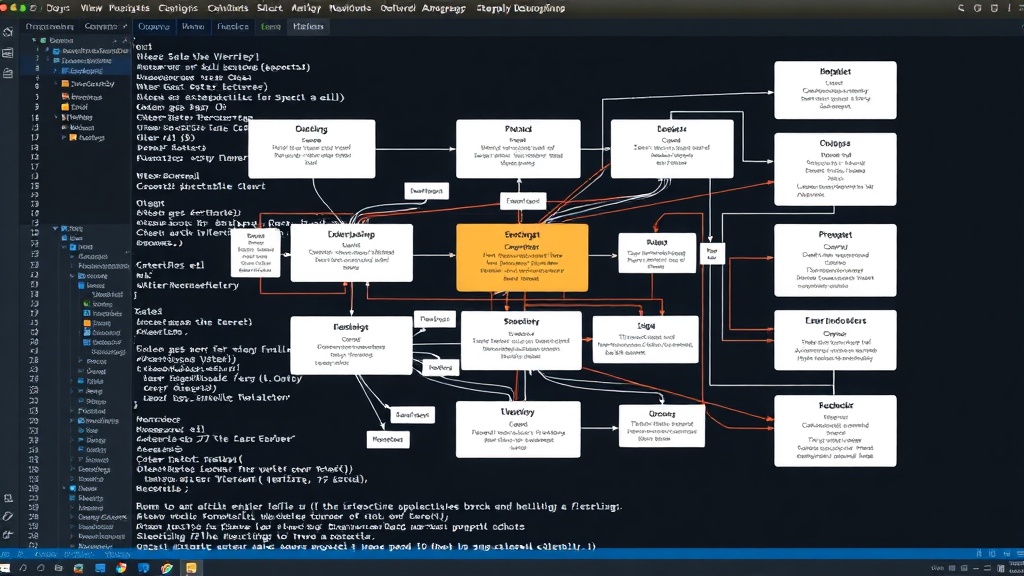
The most dangerous form of overengineering doesn't appear careless. It looks deliberate, even responsible. It boasts clean interfaces, reusable components, configurable behavior, and extension points that promise future flexibility. An architecture diagram might even suggest the system is prepared for any conceivable requirement, present or future. This polished facade makes overengineering notoriously difficult to spot in its early stages.
The trap is sprung not when a feature is initially built, but when the next one arrives. A seemingly minor addition, one that should take an afternoon, instead touches seven layers of the system, breaks three carefully crafted abstractions, and forces the team to grapple with a framework designed for requirements that never materialized. This is the hallmark of overengineering: it presents as prudent preparation, not unnecessary complexity.
The Genesis: Fear of Past Pain
Developers rarely set out to overengineer. The impulse typically stems from a genuine fear, born from experience on previous projects. Perhaps a past system suffered from duplicated business logic scattered across multiple screens, making updates a nightmare. Or maybe a reusable component, designed for a single use case, proved impossible to adapt when a second, slightly different need arose. This memory of past pain drives the desire to build systems that are more robust, more adaptable, and more future-proof.
This is where the line between good foresight and overengineering blurs. The developer, armed with lessons learned, attempts to preemptively solve problems they anticipate. They build in flexibility, create abstractions, and add layers of configuration. Each of these steps, taken in isolation, is a mark of good engineering. The problem arises when these measures are applied too broadly, too early, or to problems that are unlikely to materialize.
Identifying the Red Flags
Recognizing overengineering requires looking beyond the surface-level polish. A key indicator is when a system feels significantly more complex than the current requirements demand. If you find yourself spending more time understanding the framework than implementing the feature, you might be in an overengineered system. The presence of numerous configuration options for behaviors that are rarely, if ever, changed is another red flag. Similarly, if the codebase is filled with abstractions that serve only one concrete implementation, it suggests premature generalization.
Consider the system's reaction to new requirements. If even small changes require deep dives into obscure parts of the codebase, or if they necessitate refactoring foundational abstractions, it's a strong sign that the system was built with future needs in mind that never arrived. The architecture might be beautiful on paper, but its practical application becomes a burden. The system becomes brittle, not because it was built poorly, but because it was built *too* thoughtfully for problems that never materialized.
The Cost of Anticipation
The cost of overengineering is significant. It leads to increased development time, not just for new features but for routine maintenance. Debugging becomes a Herculean task when the error could be in any of the seven layers or three abstractions. The cognitive load on the development team increases dramatically, as they must constantly hold the entirety of the elaborate design in their minds. This can lead to burnout and a decrease in team velocity.
Furthermore, overengineered systems can stifle innovation. The very flexibility that was intended to enable future growth can become a rigid structure that resists genuine adaptation. Developers may be hesitant to introduce new approaches or technologies because they don't fit neatly into the existing, pre-planned architecture. The system, designed to be ready for anything, ends up being prepared for nothing new.
Navigating the Middle Ground
The goal is not to avoid foresight entirely, but to practice judicious foresight. This means building for the requirements you have, and for the requirements you can reasonably anticipate based on current trends and immediate next steps. It involves embracing iterative development and refactoring as needs evolve, rather than attempting to predict and codify every future possibility upfront.
For developers, this means asking critical questions: Is this abstraction truly necessary for more than one use case? Will this configuration option likely be used? Am I solving a problem that exists today, or one that might exist years from now? For teams, it means fostering a culture where simplicity is valued, and where the introduction of complexity is scrutinized. It's about building systems that are robust enough for today, but agile enough to adapt to tomorrow without a complete architectural overhaul.
The true mark of responsible engineering is not a system that looks ready for anything, but one that can gracefully evolve as needs change. It's a delicate balance, but one that separates systems that thrive from those that become monuments to premature optimization.